Launching a marketing campaign called "Tank Day" on the exact anniversary of a bloody military massacre is a catastrophic corporate blunder. That is precisely what happened in South Korea, and the fallout was instantaneous. Within hours of the promotion going live, Starbucks Korea CEO Son Jung-hyun was fired, the campaign was scrubbed from the internet, and the country's president publicly blasted the brand.
This isn't just a story about a bad product launch. It is a harsh lesson in how ignoring local history can completely destroy a executive's career and spark nationwide boycotts overnight. Brands operating internationally cannot afford to treat local cultural trauma like a blank slate for catchy ad copy.
The Pitch That Triggered a Nation
On May 18, Starbucks Korea launched an online promotion to sell its oversized "Tank" travel tumblers. The company packaged the sale under the slogan "Tank Day" and prominently featured the date "5/18." To an outsider, it might look like basic alliteration. To South Koreans, pairing the word "Tank" with May 18 is an unforgivable insult.
May 18 marks the anniversary of the 1980 Gwangju Uprising, a defining and deeply painful moment in South Korea's transition from a military dictatorship to a democracy. On that day, military dictator Chun Doo-hwan sent paratroopers and armored tanks into the city of Gwangju to violently suppress student-led pro-democracy protests. Over the course of ten days, soldiers used live ammunition, bayonets, and batons on citizens. Official records list 165 deaths, but historians and victims' groups state the actual toll is likely much higher, reaching into the hundreds or even thousands.
If the "Tank Day" phrasing wasn't bad enough, the marketing materials also included the phrase "thwack on the desk" (or "bang on the desk"). This specific phrase directly references a notorious 1987 police cover-up. When authorities tortured student activist Park Jong-chul to death, officials originally lied to the public, claiming an investigator simply struck a desk with a loud "thwack," causing the student to suffer a sudden, fatal heart attack. The phrase became a national symbol of the regime's cruelty and lies.
To drop both references into a coffee cup advertisement on the most politically sensitive day of the year wasn't just a mistake. Civic groups quickly labeled it a "clearly malicious mockery" of historical tragedy.
The Swift Corporate Execution
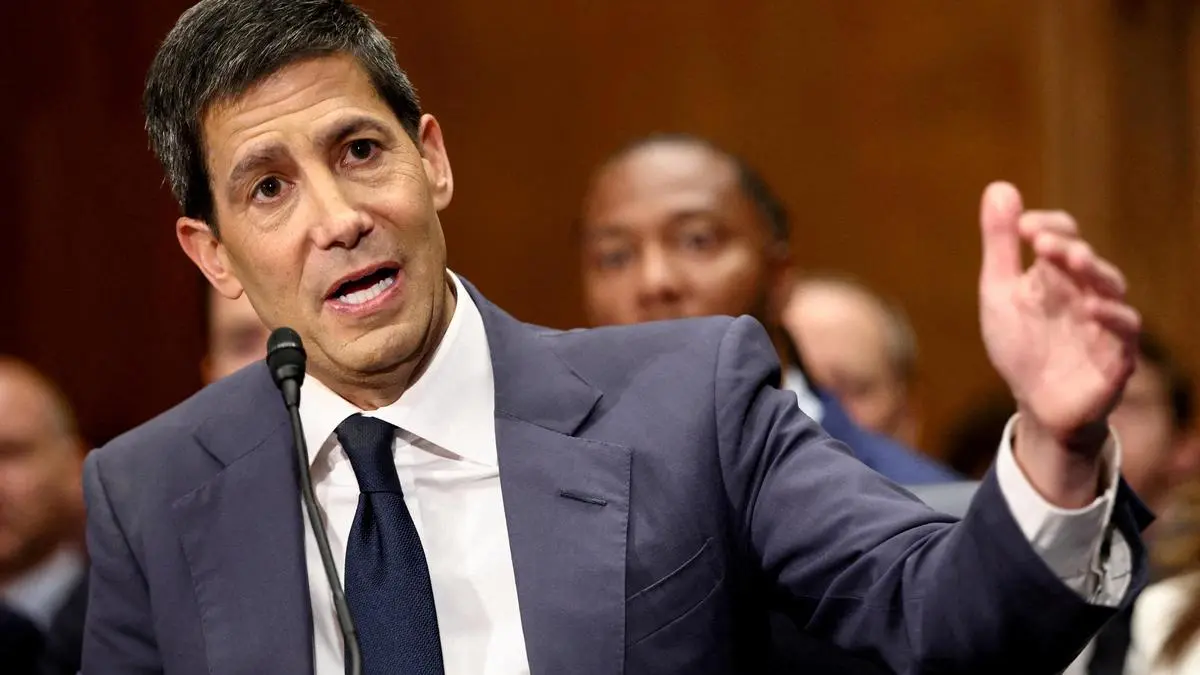
The backlash hit hard and fast. South Korean President Lee Jae-myung, who had just attended the official Gwangju memorial services, condemned the company on X. He labeled the campaign "inhumane, bottom-feeding behavior" run by "low-class peddlers" who mocked a blood-soaked struggle for human rights. When a president uses language that aggressive, corporate heads are going to roll.
Shinsegae Group, the massive South Korean retail conglomerate that owns a majority 67.5% stake in Starbucks Korea through its E-Mart subsidiary, moved with brutal efficiency.
- The campaign was completely pulled hours after launch.
- Shinsegae Group Chairman Chung Yong-jin personally ordered the immediate firing of CEO Son Jung-hyun.
- The top marketing executive who oversaw the project was also summarily dismissed.
- Starbucks headquarters in Seattle issued a formal apology to the people of Gwangju, calling the campaign an "unacceptable marketing incident."
Shinsegae made it clear that the termination was meant to set an aggressive example. The company stated that Son was held entirely accountable for failing to implement basic internal reviews before letting the tone-deaf copy go live.
The Complicated Politics Behind the Parent Company
While Son took the fall, the controversy has cast a harsh spotlight on Shinsegae Group's own leadership. Chairman Chung Yong-jin is no stranger to political firestorms. In recent years, Chung has drawn criticism for posting right-wing, anti-communist rhetoric on social media, using hashtags like "eradicate communism."
In South Korea, far-right political factions have historically used anti-communist rhetoric to downplay the Gwangju Uprising, falsely claiming the pro-democracy protesters were actually North Korean sympathizers. Because of Chung's past online behavior and his public support for conservative political groups, labor unions and critics are openly questioning whether the "Tank Day" campaign was truly an innocent oversight or a reflection of biased historical views trickling down from top management. The Mart Industry Labor Union went as far as demanding that Shinsegae halt what it called "anti-historical far-right behavior."
The Real Cost of Neglecting Local Context
International brands frequently stumble when they treat foreign markets like carbon copies of their home territory. You can't just translate a punchy corporate slogan, paste it onto a calendar, and hope for the best.
If you are a marketer, executive, or business strategist operating in a global landscape, you have to build bulletproof guardrails to keep history from weaponizing your brand.
Hire Local compliance Experts with Real Veto Power
It's not enough to have a local office. You need local cultural compliance officers who understand the political, social, and historical landscape of the country. Crucially, these teams must possess the corporate authority to kill a campaign instantly if it crosses an ethical or historical boundary. If your local team tells you a word choice is risky, you listen to them without argument.
Audit the Marketing Calendar
Every country has dark dates on the calendar. Before scheduling a major product push or a playful social media campaign, cross-reference your launch dates against national days of mourning, historic tragedies, and major political anniversaries. A fun corporate promotion should never share a date with a national massacre.
Avoid Edginess for the Sake of Engagement
Chasing viral metrics often leads creative teams to push the envelope. There is a fine line between clever humor and offensive insensitivity. If a marketing slogan relies on slang, historical puns, or political double entendres, step back and assume the worst-case interpretation will be the one the public fixes on. If it can be misconstrued, rewrite it.