Every astronomy blog on the internet is currently hyping up the upcoming partial lunar eclipse of August 2026. They are publishing breathless guides on exact timings down to the second, mapping visibility zones across India, and offering earnest safety tips for viewing an event that requires zero protection for your eyes. It is predictable, low-effort clickbait designed to manufacture wonder out of a glorified shadow.
Let us be completely honest about what a partial lunar eclipse actually is: an astronomical non-event.
The lazy consensus in mainstream science journalism is that every alignment of celestial bodies demands your attention, your cameras, and your middle-of-the-night alarm clock. I have spent decades tracking these planetary mechanics, and I am here to tell you that watching a partial lunar eclipse is roughly as thrilling as watching paint dry on a cloudy afternoon. You are staring at a faint, barely perceptible nibble taken out of the Moon by Earth's penumbral and partial umbral shadow. Unless you are setting up scientific photometers to measure atmospheric aerosols after a volcanic eruption, your time is worth more than this.
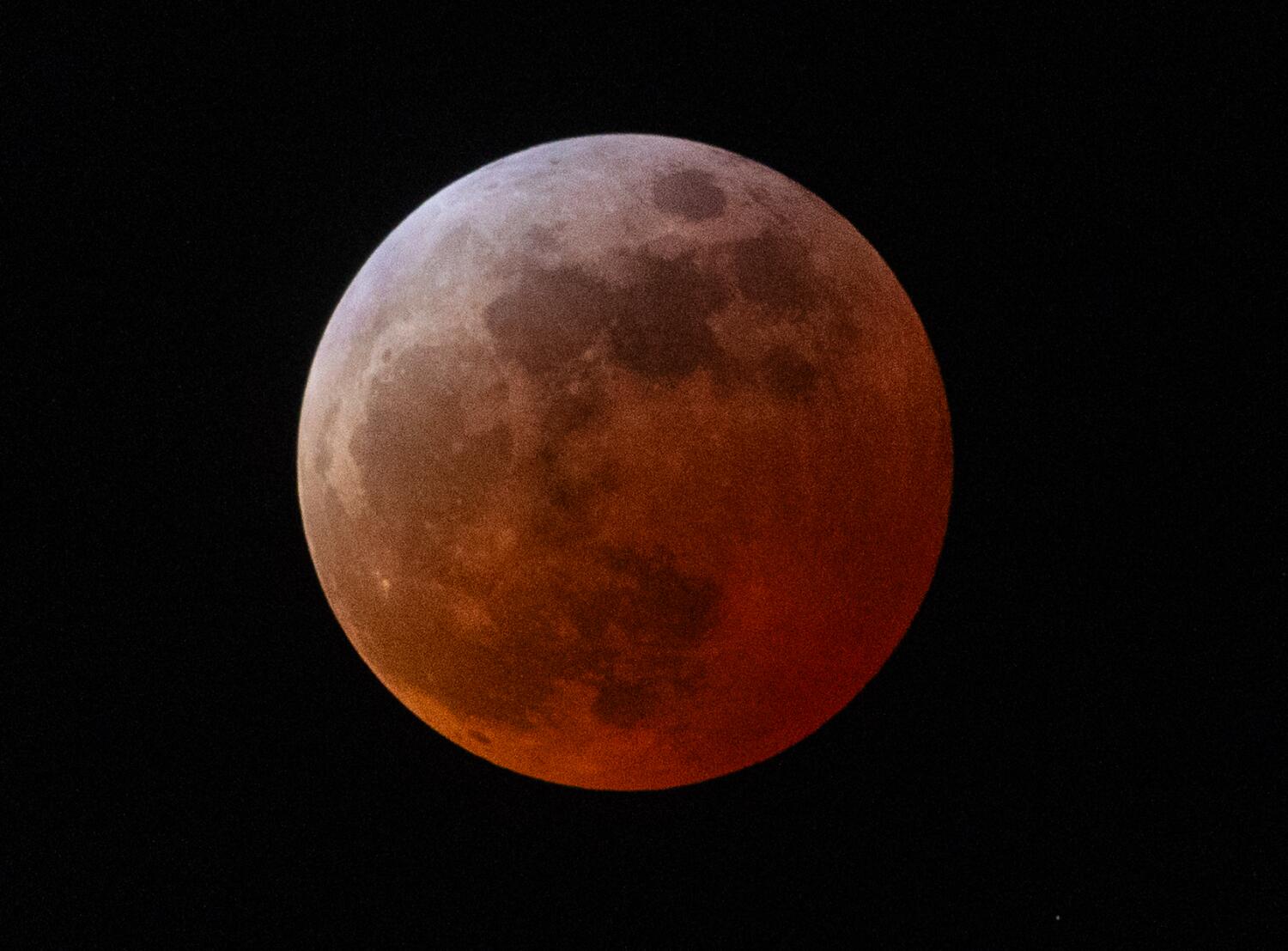
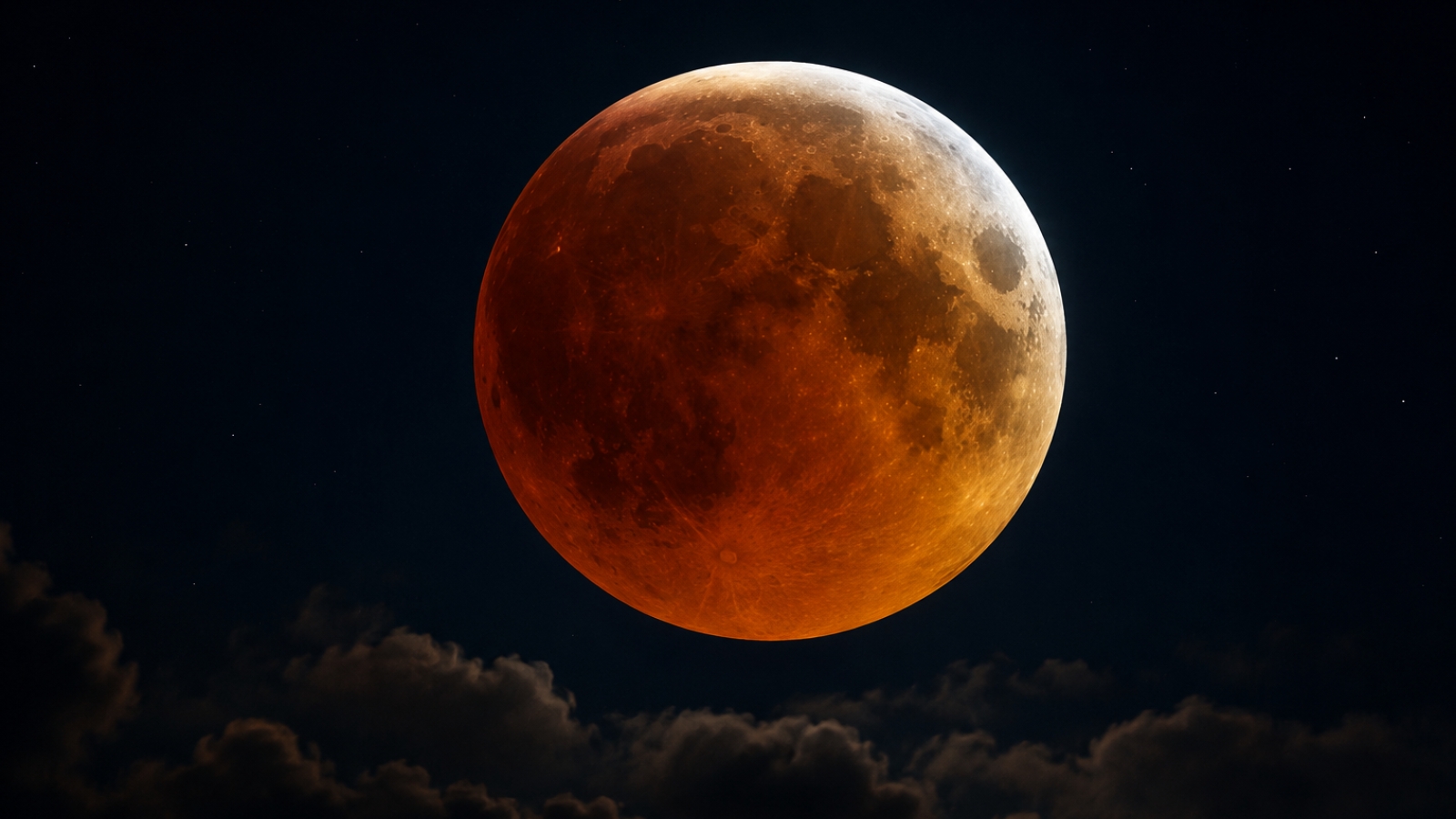
Here is the contrarian truth nobody in the popular science media wants to admit. Total lunar eclipses offer a striking visual transformation as the Moon turns a deep, coppery blood red. That is worth stepping outside for ten minutes. A partial eclipse, however? It is the Diet Coke of celestial phenomena. You get a muted gray smudge on one side of the lunar disc, a mediocre viewing experience, and a ruined sleep schedule.
The Myth of the Must-Watch Partial Phase
The media loves to run panic-adjacent safety tips alongside these guides. You will read warnings about whether it is safe to look at the Moon. Let us clear this up with zero ambiguity. Unlike a solar eclipse, where the uncovered photosphere of the Sun will permanently destroy your retina in seconds, a lunar eclipse involves reflected sunlight off a rocky surface. Staring at the Moon during any phase of an eclipse is completely safe. The fact that major outlets still feel the need to publish disclaimers about eye safety for a lunar event exposes a profound lack of baseline scientific literacy among people writing the guides.
When the August 2026 partial lunar eclipse rolls around, the visibility maps for India will light up. People in Mumbai, Delhi, Bengaluru, and Kolkata will be told to stay up late or wake up early to catch the peak. Millions will step onto their balconies, squint at the sky, tilt their heads, and ask, "Is that it?"
That disappointment stems from a fundamental misunderstanding of scale and contrast. Earth's shadow is massive, and at the distance of the Moon, the umbral edge is diffuse. A partial eclipse does not feature a sharp, cinematic bite. It features a gradient so gradual that your eyes will struggle to register the transition without reference images.
Why We Settle for Mediocre Skywatching
We have institutionalized FOMO in astronomy. If an event happens in the sky, media algorithms dictate that it must be treated as a monumental occurrence. This dilutes public interest in genuine wonders. When every minor alignment, mediocre meteor shower, and faint comet is hyped as a once-in-a-lifetime spectacle, the public eventually checks out.
Imagine a scenario where astronomy communicators stopped treating the audience like children who need to be bribed with hyperbole. Imagine if we said: "There is a partial lunar eclipse tonight. It is scientifically trivial, visually underwhelming, and you should probably stay in bed unless you are testing a telephoto lens setup."
That level of radical candor builds real trust. But trust does not generate programmatic ad impressions. Clickbait does.
If you are determined to go outside in August 2026 because you simply love the quiet of the night air, do not waste your time trying to spot the shadow nibbling at the crater Aristarchus. Instead, use the dark sky away from the Moon to look past it. Turn your back to the lunar glare and scan the summer Milky Way. Check out the constellations of Sagittarius and Scorpius hanging high in the south. Observe the light from globular clusters that left their ancient homes twenty thousand years before you were born.
That is actual astronomy. Staring blankly at a slightly dimmed Moon because an internet article told you it was a historic alignment is just compliance.
Turn off your alarm. Go to sleep. The Moon will be fine without you watching it lose five percent of its brightness.