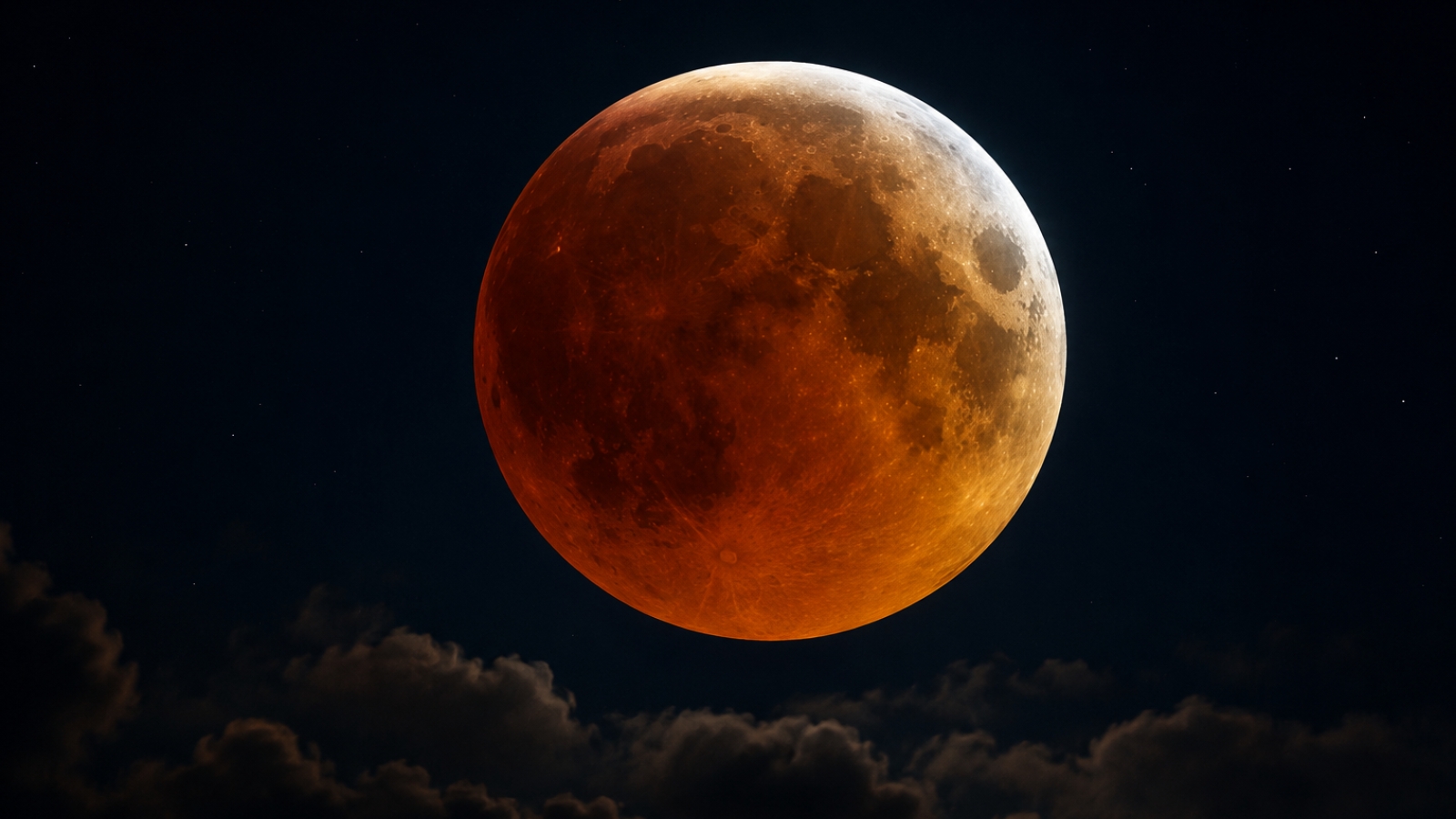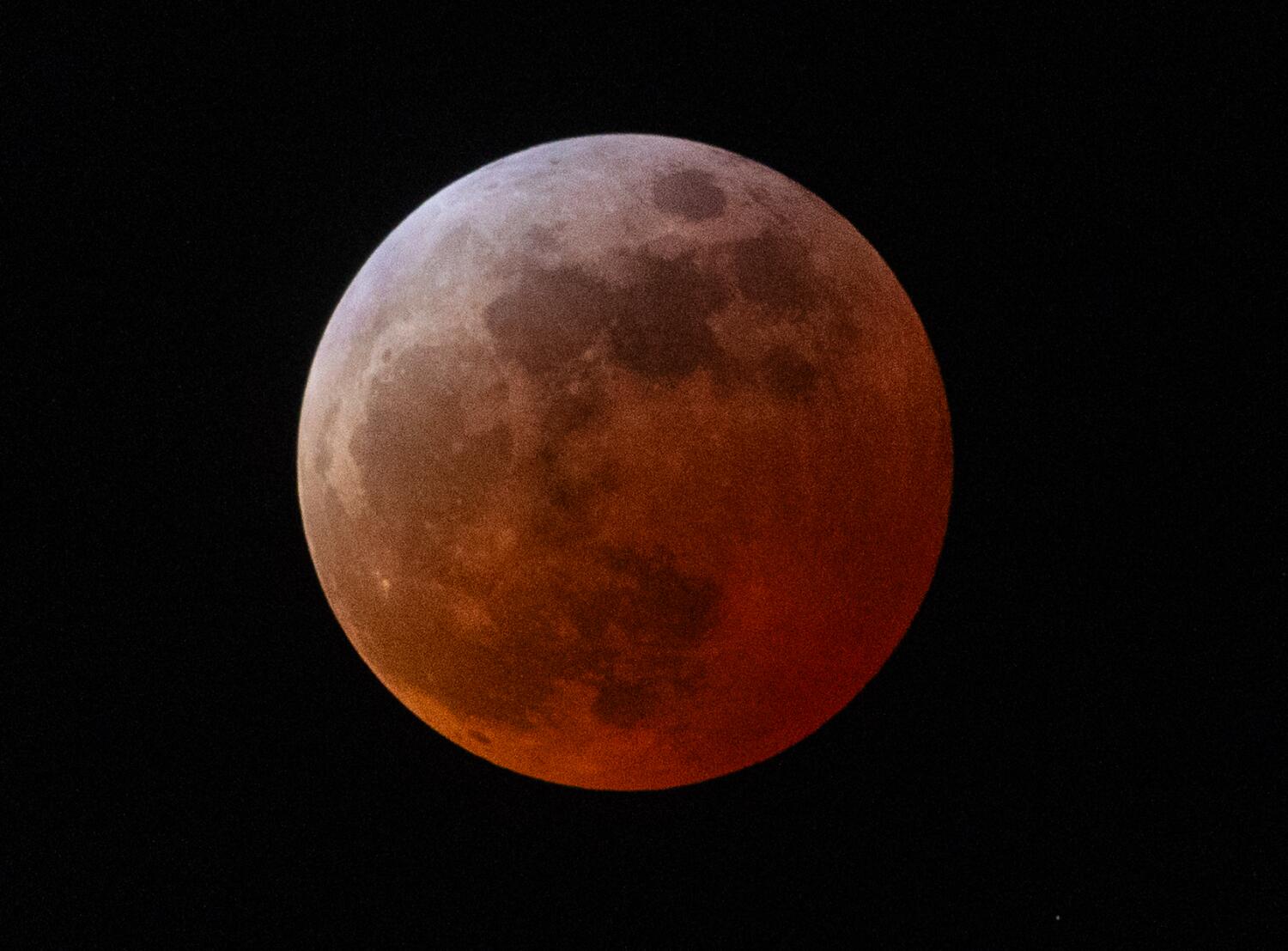
The dust of Hadley Rille was different. It didn't settle the way dust settles on Earth. Without moisture, without a restless atmosphere to round its edges, every grain of lunar soil was a microscopic dagger, sharp and jagged, born of ancient impacts and vacuum-sealed eternity.
On August 1, 1971, two men stood knee-deep in that desolation.
To the millions watching fuzzy television sets back home, James Irwin and David Scott looked like white-suited gods striding across a silver plain. Inside their pressurized suits, they were something far more fragile. They were sweating, exhausted, breathing recycled air that smelled faintly of burnt gunpowder, and suffering from cramped fingers and soaring heart rates. They had spent hours hauling geological hammers, tongs, and sample bags across the slopes of the Apennine Mountains, hunting for a ghost.
That ghost was the primordial crust of the Moon.
For years, planetary scientists had argued over what lay beneath the gray veneer of the lunar maria. Was the Moon a cold, dead body formed from homogeneous accretion, or was it once a molten ball of fire, a chaotic ocean of magma that had stratified over eons into distinct geological layers? To answer that, they needed a piece of the original highland crust. They needed a survivor from the epoch before the great impacts shattered the face of the early solar system.
And then, Scott saw it.
Resting quietly on the rim of the Spur Crater, about half a mile from the lunar rover, was a fist-sized fragment of white anorthosite. It was unlike the darker basalt surrounding it. It caught the harsh, unfiltered glare of the unfiltered sun with a peculiar, ghostly luminescence.
Scott reached down with his gloved hand. He lifted it.
Sample 15415.
Weighing just over half a pound, it didn't look like much to the untrained eye. A mottled, chalky-white rock, scarred by micrometeoroid impacts. But when geologists back on Earth sliced it open in the sterile environment of the Lunar Receiving Laboratory, they found a pristine mosaic of plagioclase feldspar.
It whispered of a time four billion years ago, when the Earth and the Moon were young, violent neighbors locked in a gravitational embrace. It whispered of a magma ocean hundreds of kilometers deep, churning beneath a suffocating blanket of carbon dioxide and nitrogen, slowly cooling until the lightest minerals floated to the surface like cream rising on milk.
That floating scum became the lunar highlands. And Sample 15415 became its Rosetta Stone.
We call it the Genesis Rock.
The name sounds like hyperbole, the kind of breathless marketing phrase dreamt up by public relations teams desperate to justify the staggering cost of the Apollo program. Billions of dollars. Thousands of lives. A nation tearing at its own seams over civil rights and an unwinnable war in Southeast Asia, all while looking up at a silver rock in the sky and wondering why we were spending our breath reaching for it.
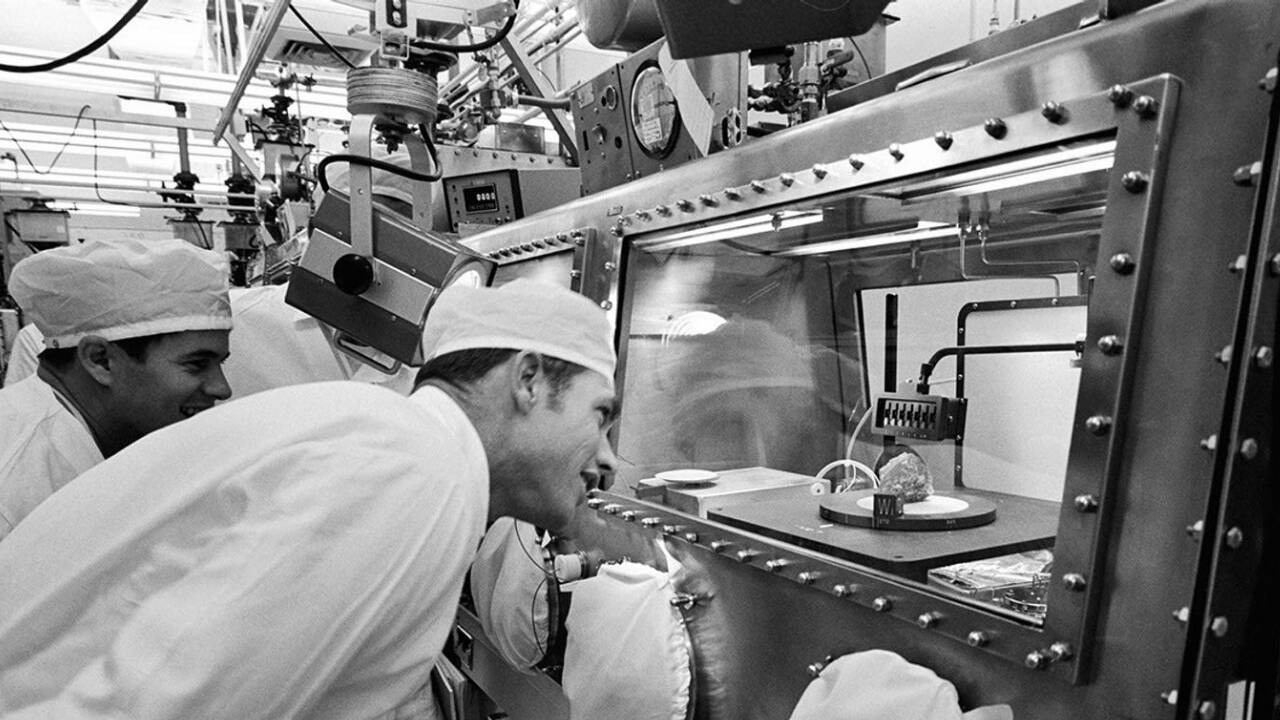
Yet, standing in Houston's Lunar Sample Laboratory years later, looking through thick glass at that quiet white stone, the weight of the name settles in.
Consider what happens when you hold a piece of the Moon. You are not holding a souvenir. You are holding a time capsule that bypassed the chaotic recycling machine of plate tectonics. On Earth, rocks are constantly being dragged down into the mantle, melted, crushed, and regurgitated as volcanoes. Our planet has a bad memory. It erases its own childhood.
The Moon does not. Lacking plate tectonics, lacking wind, lacking rain, the Moon preserves its history like an ancient manuscript locked in a dry tomb. When the Genesis Rock formed some 4.1 billion years ago, Earth was a hellscape of boiling oceans, pummeled by late heavy bombardment, devoid of anything resembling life. By the time the first single-celled organisms began to stir in Earth's primordial soup, this little white rock had already sat undisturbed on the lunar surface for hundreds of millions of years, absorbing the silent rain of cosmic rays.
When David Scott picked it up, he wasn't just collecting a sample for a geology report. He was reaching back across the abyss of deep time to touch the moment the solar system grew up.
There is a strange loneliness to space exploration that textbooks rarely capture. We romanticize the triumph, the flag planted in the dust, the breathless voice of Walter Cronkite echoing through living rooms. We forget the silence.
Out there, beyond the protective shield of our magnetic field, the silence is absolute. No wind rustles your suit. No birds call out over the ridges. There is only the hum of your life support system, the heavy rhythm of your own breathing, and the crushing, dizzying realization that you are standing on a foreign world, looking back at a pale blue dot that holds every person, every memory, every tear and triumph of human history.
When Irwin and Scott climbed back into the lunar module Falcon and sealed the hatch, they left behind bootprints that will remain undisturbed for millions of years. No atmosphere means no wind to sweep them away. Those prints are permanent monuments to our restless curiosity.
The Genesis Rock sits now in a secure vault at the Johnson Space Center in Houston, a permanent fixture of human achievement. Most of it remains unstudied, saved by cautious curators for future technologies and instruments we haven't even invented yet. It waits in the dark, just as it waited on the slopes of Spur Crater for four billion years, holding its breath.
We built rockets because we were afraid of the dark, and we found out the dark was full of marvels. Every time we look at that white chunk of anorthosite, we are forced to confront our own astonishing improbability. We are stardust that learned how to build ships, fly to another world, pick up a stone, and ask where we came from.