We've seen this movie before, but the script just got a lot more dangerous. When the US military launched a massive, seven-hour wave of strikes against Iranian targets, it wasn't just another round of Middle East tit-for-tat. It marked the official death of a fragile truce and the start of a high-stakes maritime siege.
If you think this is only about the Strait of Hormuz, you're missing the bigger picture.
Iran's Islamic Revolutionary Guard Corps (IRGC) isn't just digging in its heels. They've threatened to shut down "all other export corridors" that benefit the US and its allies. The subtext is clear: Tehran is ready to turn the entire region's energy infrastructure into a massive "for everyone or for no one" zero-sum game. With the US reimposing a full naval blockade on Iranian ports and Donald Trump threatening to blow up Iranian power plants and bridges by next week, we aren't just looking at a shipping delay. We're looking at the potential collapse of global energy supply lines.
Here is what's actually happening behind the headlines, why the current strategy is failing, and how this confrontation could choke global trade far beyond the Persian Gulf.
The Real Escalation: Why the Truce Collapsed
To understand how we got here, you have to look at what happened to the "Islamabad memorandum".
In June, both sides agreed to a temporary, 60-day window to negotiate regional security and nuclear issues. The US even suspended its aggressive naval blockade on Iranian ports. It was a fragile peace, but it was a peace nonetheless.
That peace didn't last. According to US Central Command (CENTCOM), Iran began targeting commercial shipping again, allegedly attacking seven vessels in the span of a single week, leaving nearly a dozen crew members dead, injured, or missing.
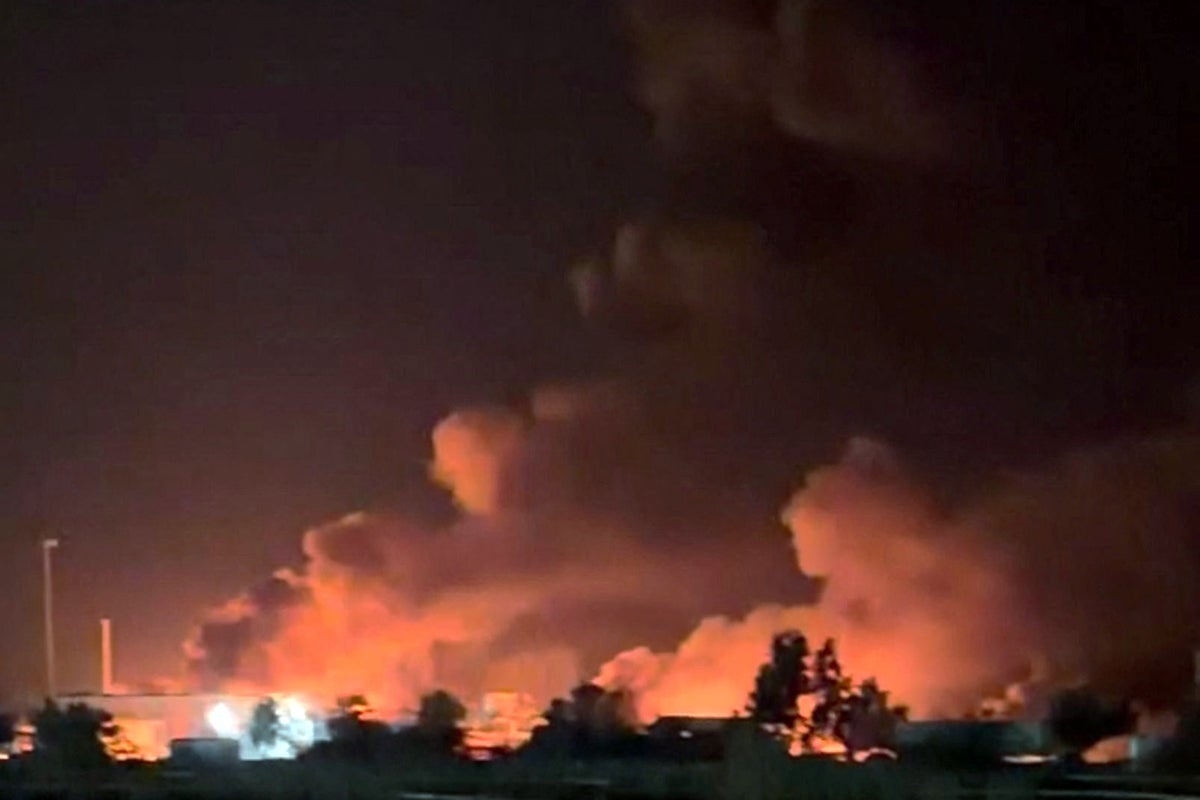
The US response was swift and heavy. Early on Wednesday, CENTCOM launched a major offensive involving fighter jets, armed drones, and naval vessels. For seven hours, US forces pounded Iranian missile sites, drone storage facilities, and coastal defense systems. Simultaneously, the US officially reinstated its strict naval blockade, stopping any and all ships from transiting to or from Iranian ports.
This isn't just a military response; it's an economic strangulation strategy. And Iran is reacting exactly how you'd expect a cornered regime to react: by threatening to drag the rest of the world down with it.
The Two-Chokepoint Nightmare
The Strait of Hormuz is the world’s ultimate energy chokepoint. Roughly 20% of global petroleum passes through this narrow strip of water daily. When Iran shuts it down, global markets panic.
But Iran’s latest threat isn't just about Hormuz. By warning that "other export routes" are on the chopping block, Tehran is signaling its ability to activate proxy networks to choke off the Bab el-Mandeb Strait—the crucial gateway to the Red Sea and the Suez Canal.
Look at the chess board:
- The Northern Gate (Hormuz): Iran controls this directly with its own fast-attack boats, sea mines, and coastal missile batteries.
- The Southern Gate (Bab el-Mandeb): Iran's heavily armed allies, the Houthis in Yemen, control the shoreline.
The Houthis have already broken a four-year truce with Saudi Arabia by launching retaliatory missile strikes after accusing Riyadh of bombing an airport under their control. A senior Houthi official openly warned that they're ready to block the Bab el-Mandeb, a move they boast could send oil prices screaming past $200 a barrel.
If both Hormuz and Bab el-Mandeb are blocked at the same time, the Suez Canal becomes practically useless for tankers. Shipping companies would have to route vessels all the way around the southern tip of Africa. That adds weeks to transit times, burns millions of gallons of extra fuel, and sends maritime insurance premiums into the stratosphere.
Trump's "Bridges and Power Plants" Gamble
The diplomatic theater here is getting incredibly chaotic. Originally, President Trump floated a highly controversial 20% transit fee on ships using the Strait of Hormuz. That drew immediate pushback from international shipping bodies and the UN. Trump quickly abandoned the idea, claiming Gulf leaders promised "massive" US investments instead.
But instead of de-escalating, the administration has pivoted to an incredibly aggressive ultimatum. Trump has openly warned that if Tehran doesn't sit down to negotiate a permanent deal, the US will start targeting civilian infrastructure.
"Next week it gets really bad for them because next week comes the power plants. Next week comes the bridges," Trump warned in a Fox News interview. "We’re going to knock out all their power plants. We’re going to knock out all their bridges unless they get to the table and negotiate."
This is an incredibly risky bet. Striking power grids and civilian bridges without a direct, clear military necessity enters the highly debatable territory of potential war crimes. More importantly, it assumes that extreme pressure will force Iran’s leadership to capitulate.
History suggests otherwise. Historically, when the Iranian regime faces existential external pressure, it doesn't fold—it lashes out to prove it still has teeth.
The Regional Spillover Has Already Begun
We don't have to wonder how Iran will respond to further US pressure because they're already striking back across the region. This isn't a localized conflict anymore; it's a regional war of attrition.
Immediately following the latest US air raids, the IRGC launched coordinated attacks against US military facilities and host countries:
- Bahrain: The IRGC claimed direct hits on command, logistics, and fuel facilities belonging to the US Fifth Fleet.
- Kuwait: Iranian state media claimed to have destroyed a US logistics site at Mina Abdullah, causing major fires that local emergency crews struggled to contain.
- Jordan: Jordan’s air defense systems successfully intercepted three ballistic missiles fired from Iranian territory toward a base housing American warplanes.
By dragging US-aligned Gulf states and regional partners into the line of fire, Iran is trying to make the cost of supporting American military actions too high for local governments to bear.
What Happens Next: The Immediate Fallout
If you're trying to figure out how this impacts your day-to-day life, keep your eyes on the energy sector. Oil prices have already jumped to a one-month high, and they aren't showing signs of slowing down.
If you run a business, manage logistics, or invest in global markets, here is what you need to prepare for right now:
- Audit Your Supply Chain: If you rely on goods or components traveling from Asia to Europe (or vice-versa), expect sudden delays. Start diversifying your shipping routes away from the Red Sea and Gulf region immediately.
- Hedge for Energy Inflation: Oil price volatility is going to leak into diesel, aviation fuel, and consumer goods. If your operations are highly sensitive to energy costs, look into locking in fuel contracts before prices climb further.
- Expect Insurance Surcharges: Maritime insurers are already designating wider swaths of the Middle East as high-risk zones. This means "war risk" premiums will spike, adding overhead costs to global shipping that will ultimately be passed down to the consumer.
The US-Iran conflict has officially moved past the point of posturing. With both sides rejecting diplomacy and doubling down on military force, the global economy is about to pay the price.