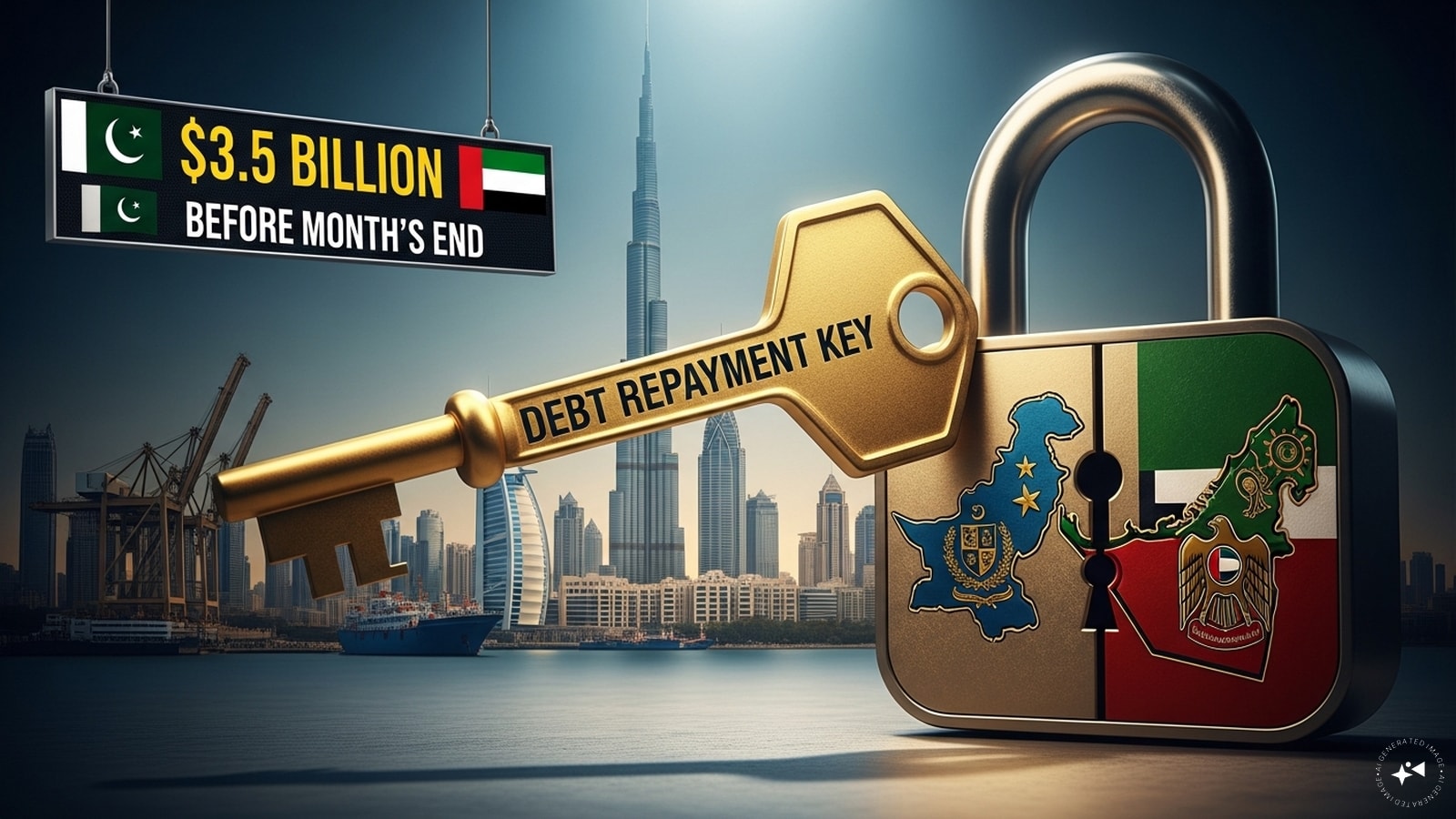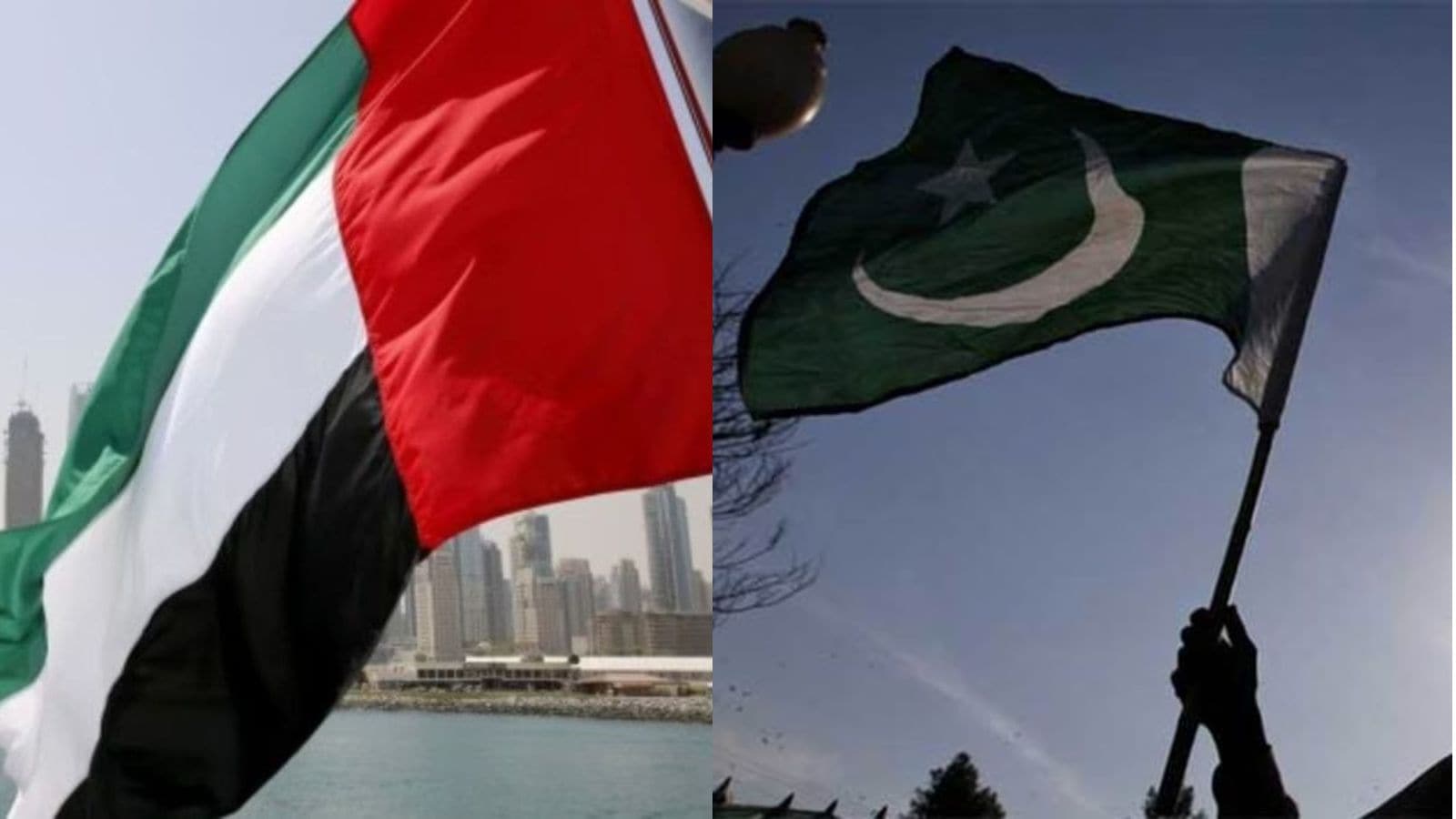
Pakistan is preparing to return $2 billion to the United Arab Emirates (UAE) by the end of April 2026, marking a sharp pivot in a bilateral relationship that has long been defined by "brotherly" bailouts. For decades, Islamabad relied on the Gulf to roll over short-term deposits to keep its foreign exchange reserves from collapsing. That era is ending. The UAE’s request for immediate repayment is not merely a technical maturity of a loan; it is a calculated geopolitical and economic signal that the days of unconditional cash cushions are over.
The $2 billion in question was part of a broader support package kept as a "safe deposit" with the State Bank of Pakistan (SBP). While Pakistan’s total reserves currently hover around $21.7 billion, the sudden withdrawal of these funds creates a hole that cannot be ignored. The Ministry of Finance has spent the last 48 hours issuing carefully worded statements about "fulfilling all external obligations," but behind the scenes, the move has sent tremors through the halls of power in Islamabad. Don't miss our earlier coverage on this related article.
The Geopolitical Price of Neutrality
The timing of Abu Dhabi's demand is inextricably linked to the escalating volatility across the Middle East. With regional tensions reaching a boiling point following the US-Israel-Iran escalations, the UAE is tightening its own liquidity and reassessing its strategic alliances. In the cold calculus of modern diplomacy, financial support is increasingly tied to political alignment.
Pakistan has historically attempted a delicate balancing act between regional rivals. However, sources suggest that Abu Dhabi's patience is wearing thin. The Gulf monarchy is shifting its foreign policy from "aid-first" to "investment-first," and the $2 billion repayment demand serves as the ultimate leverage. If Pakistan cannot offer the strategic or economic concessions the UAE desires—ranging from port access to stakes in state-owned enterprises—the cash will simply go back to the desert. If you want more about the background of this, The Motley Fool offers an informative summary.
The IMF Shadow and the Rollover Trap
This repayment comes at a precarious moment for Pakistan’s $7 billion Extended Fund Facility (EFF) with the International Monetary Fund (IMF). The IMF program, which is the only thing standing between Pakistan and a sovereign default, is predicated on "timely external financing."
The IMF math assumes that friendly nations like Saudi Arabia, China, and the UAE will keep their deposits in Pakistan’s central bank. When one of those pillars is pulled, the entire architectural integrity of the bailout package is threatened.
- Total External Rollover Requirement: $12 billion for the current fiscal year.
- The UAE Stake: $3 billion total (with $2 billion now being recalled).
- The Saudi Cushion: $5 billion.
- The Chinese Floor: $4 billion.
By demanding its money back, the UAE is effectively forcing Pakistan to choose between depleting its hard-earned reserves or finding a new lender at much higher interest rates. Pakistan has been paying roughly 6% interest on the UAE deposit. In the current global market, a new bond or commercial loan would likely carry double-digit rates, further strangling a budget already dominated by debt servicing.
From Deposits to Divestment
There is a more aggressive undercurrent to this demand. The UAE has been eyeing high-value Pakistani assets for years. By recalling the $2 billion deposit, Abu Dhabi is creating a liquidity crunch that may force Islamabad to accelerate the privatization of its crown jewels.
Talks are already underway to convert parts of Pakistan's debt into equity. This isn't a gesture of goodwill; it’s a business acquisition. The UAE is interested in:
- Energy Infrastructure: Major stakes in power distribution companies.
- Logistics: Expanded control over terminal operations at Karachi Port.
- Agriculture: Large-scale "corporate farming" projects aimed at UAE food security.
If Pakistan cannot pay in cash, it will be forced to pay in land and infrastructure. This transition from being a debtor to a landlord's tenant is a bitter pill for a nation already struggling with record inflation and a stagnant industrial base.
The Remittance Risk
Beyond the balance sheet, there is the human element. Millions of Pakistanis live and work in the UAE, sending back billions in remittances that form the backbone of the Pakistani economy. Any diplomatic friction resulting from debt disputes puts this labor force at risk. In previous years, visa restrictions and "security clearances" have been used as soft-power tools to nudge Islamabad's policy. A messy repayment process or a failure to meet the UAE’s strategic demands could result in a slowdown of labor exports, hitting the average Pakistani household far harder than a central bank withdrawal ever could.
The State Bank of Pakistan claims the country can afford the $2 billion hit. While technically true given the current reserve level, it is a pyrrhic victory. Every dollar that leaves the SBP to settle an old debt is a dollar that cannot be used to import fuel, medicine, or raw materials for industry.
The "brotherly" relationship has matured into a transactional one. The UAE is no longer interested in being Pakistan’s permanent safety net. They are now an assertive creditor looking for a return on investment, whether that return comes in the form of US dollars or national assets. Islamabad must now navigate a world where the ATM is permanently out of order, and the only way to get cash is to sell the house.
Prepare for a summer of forced privatizations and high-stakes diplomacy. The $2 billion repayment is not an end; it is the opening bell of a much more aggressive era of Gulf-Pakistan relations.