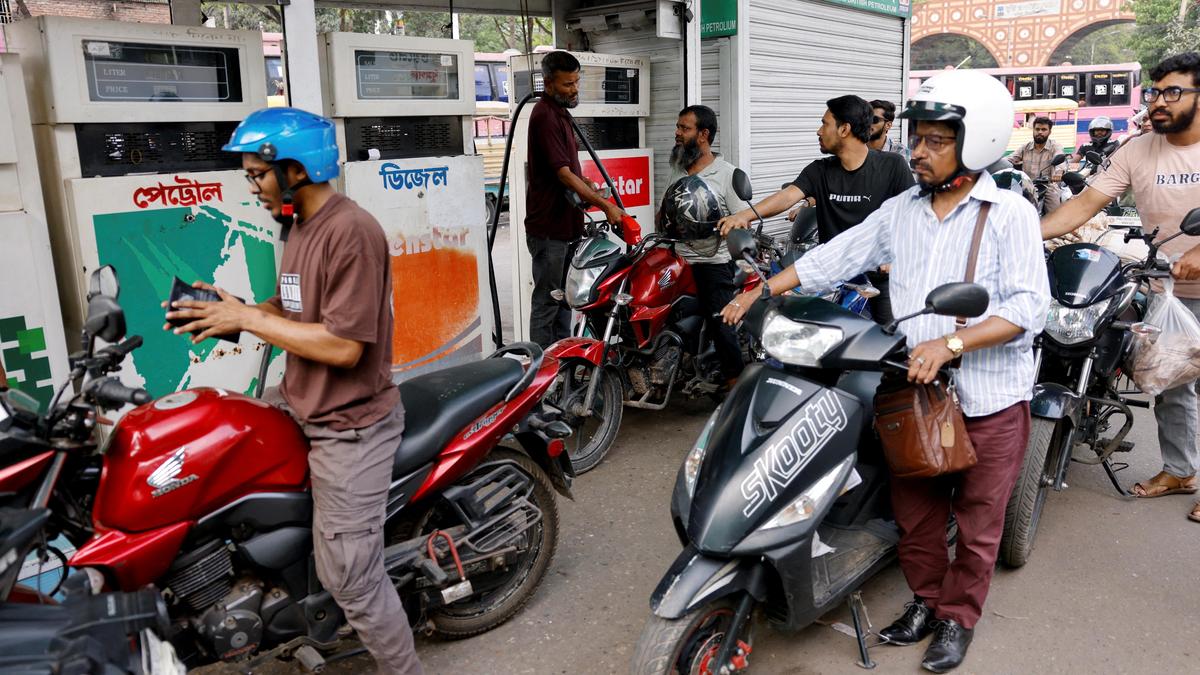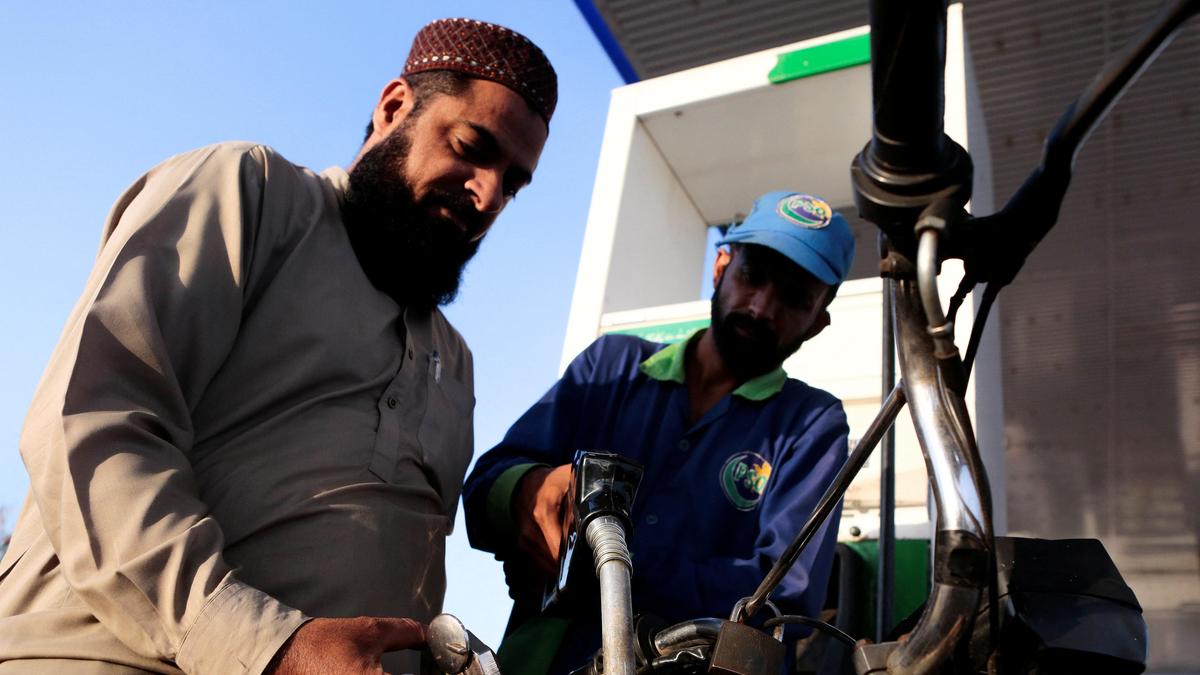
The Pakistan government’s sudden decision to slash petrol prices by PKR 80 per litre—just twenty-four hours after an unprecedented price hike—is not a victory for the common man. It is a desperate act of political survival. On April 3, 2026, the state effectively lit a fuse when it allowed petrol to rocket to PKR 458.41 and high-speed diesel to hit a staggering PKR 520.35. The resulting public fury was so immediate and so visceral that the administration was forced into a humiliating midnight retreat, lowering the petrol price to PKR 378 per litre by cutting the petroleum levy.
While the price at the pump has dropped, the underlying economic rot remains. This reversal does not change the fact that Pakistan is caught in a vice between a volatile global energy market and a domestic fiscal crisis that has no easy exit. The "relief" is a temporary bandage on a wound that continues to bleed.
The Illusion of Relief
The mathematics of the reversal reveal a government backed into a corner. When Prime Minister Shehbaz Sharif announced the initial hike, the justification was rooted in the U.S.-Israel-Iran conflict, which has throttled the Strait of Hormuz and sent Brent crude into a tailspin of volatility. The government claimed it could no longer sustain a PKR 129 billion subsidy that had kept prices artificially stable for three weeks.
The hike was supposed to be a "difficult decision" to maintain fiscal discipline. Yet, the moment the streets began to simmer, that discipline vanished. By slashing the petroleum levy from PKR 160 to PKR 80, the government chose to sacrifice its tax revenue targets to prevent a total social breakdown. This is a classic "firefighting" maneuver that addresses the symptom while ignoring the disease.
The state is now essentially gambling. It is betting that global oil prices will stabilize before the hole in the federal budget becomes an abyss. If the Middle East conflict escalates further, this PKR 80 "discount" will likely be clawed back with interest, leaving the public even more exposed.
Geopolitics and the Energy Vice
Pakistan’s energy security is currently at the mercy of events in the Gulf. The closing of the Strait of Hormuz is not just a headline; it is a direct threat to the country’s solvency. Unlike its neighbors, Pakistan lacks the foreign exchange reserves to weather prolonged supply shocks. While India and Bangladesh have managed to keep fuel prices relatively stable during this crisis, Pakistan has seen its domestic rates climb by nearly 66% since the conflict began.
The disparity is glaring. It points to a systemic failure in how Pakistan manages its energy portfolio. For decades, the country has relied on short-term spot market purchases rather than securing long-term, fixed-price contracts. This leaves the economy vulnerable to every ripple in the Persian Gulf. When war broke out, the "pass-through" mechanism demanded by international lenders meant the public had to feel the full weight of global price spikes immediately.
The Subsidy Trap
To quiet the backlash, the government has introduced a fragmented system of targeted subsidies:
- Motorcyclists: PKR 100 per litre subsidy for up to 20 litres a month.
- Transporters: Direct payouts ranging from PKR 70,000 to PKR 100,000.
- Farmers: PKR 1,500 per acre for the harvesting season.
On paper, this looks like compassion. In practice, it is an administrative nightmare prone to leakage and corruption. How does a government that can barely track its own tax revenue ensure that a motorbike owner in rural Sindh actually receives a PKR 100 discount at a private fuel station? These measures are designed more for the 9 PM news cycle than for the actual stabilization of the economy.
The Inflationary Aftershock
Even with the PKR 80 reduction, the damage to the supply chain is already done. In the twenty-four hours that petrol was priced at PKR 458, transport unions across Punjab and Sindh began hiking fares. Wholesale food prices in Karachi surged as traders anticipated higher haulage costs.
Inflation in Pakistan does not move in a straight line; it moves in steps. Once the price of essential goods like milk, flour, and cooking oil steps up because of a fuel hike, it rarely steps back down, even if the fuel price is later reduced. The "relief" announced at midnight does not undo the price gouging that has already taken hold in the markets.
Furthermore, the introduction of the controversial "Gobar Tax" in Punjab and other micro-levies shows that the state is clawing for revenue in every possible corner. It is a zero-sum game. If the government isn't collecting money at the petrol pump, it will find a way to take it from the farm or the small business.
The IMF Shadow
Hovering over every liter of petrol is the specter of the International Monetary Fund. The initial hike was a clear attempt to satisfy demands for "fiscal consolidation." By reversing the levy so quickly, the government has essentially signaled to international creditors that it cannot—or will not—hold the line on tough economic reforms when faced with political pressure.
This creates a dangerous precedent. It tells the IMF that Pakistan's fiscal targets are negotiable based on the level of public protest. This could jeopardize future tranches of financial aid, leading to a further devaluation of the Rupee. A weaker Rupee makes oil imports even more expensive, creating a feedback loop that will eventually lead back to the very "petrol bomb" the government just tried to defuse.
The reality is that Pakistan is running out of road. The midnight reversal is a tactical retreat, but the war for economic stability is being lost. The public might be paying PKR 80 less today, but they will likely pay the price in the form of higher electricity bills, new taxes, and a currency that continues to lose its grip on reality.
True stability requires a total overhaul of the energy infrastructure and a move away from the debt-fueled subsidy cycles that have defined the last three decades. Until then, every "relief" package is merely a stay of execution.
Stop looking at the pump price and start looking at the national balance sheet. The numbers there do not lie, and they suggest that the next hike is only one geopolitical tremor away. The government has bought itself a few weeks of silence, but the underlying crisis is louder than ever.