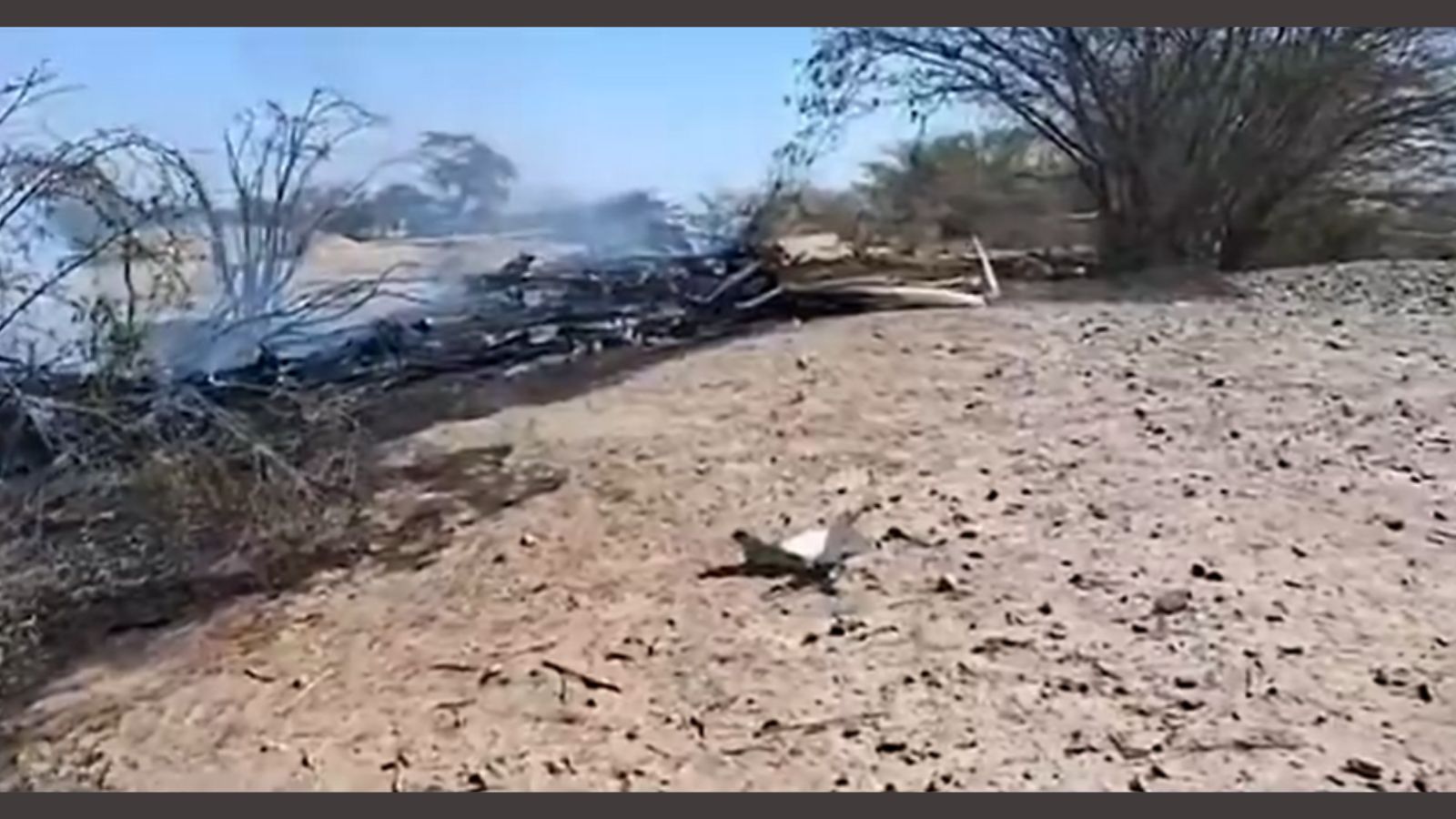
Commercial aviation operating within localized visual flight rules environments presents a distinct operational risk matrix. When an aircraft carrying tourists crashes over the Nazca Lines in southern Peru, killing all thirteen occupants, the incident transcends a localized tragedy. It exposes systemic vulnerabilities in how regional tourism operators balance high-frequency turnaround schedules against rigorous safety management systems. Traditional media reporting routinely mischaracterizes these events as isolated pilot errors or sudden weather anomalies. Such framing obscures the underlying systemic drivers: regulatory oversight gaps, misaligned economic incentives, and the absence of standardized safety metrics for low-altitude, high-density sightseeing corridors.
The Operational Risk Architecture of Low Altitude Tourism
Sightseeing flights over archaeological geoglyphs operate under specific physical and environmental constraints. Pilots must execute low-bank turns at restricted altitudes to afford passengers adequate viewing angles of ground markings. This operational profile compresses the margin for error.
The risk architecture relies on three primary variables:
- Aerodynamic stability during low-speed, high-bank maneuvers
- Environmental predictability, including micro-winds and sudden visibility drops
- Real-time pilot workload management under commercial pressure
When operators prioritize seat utilization and rapid flight cycles over maintenance intervals and meteorological assessment, the baseline risk shifts from manageable to acute. The economic model incentivizes flight dispatch even when environmental indicators suggest marginal suitability.
Economic Pressures and Safety Compromises
The market for aerial archaeology viewing is highly competitive, driven by tight profit margins and seasonal demand fluctuations. In regions like Nazca, multiple small-scale air carriers compete for a finite pool of daily tourists. This hyper-competitive environment creates a perverse economic incentive structure.
[High Market Competition]
       │
       ▼
[Compressed Pricing & Tight Margins]
       │
       ▼
[Maximized Flight Frequencies & Minimized Turnaround Times]
       │
       ▼
[Degraded Safety Margins & Heightened Pilot Fatigue]
Fixed costs such as aviation fuel, insurance, and engine overhauls remain rigid. To preserve profitability, operators frequently compress variable expenditures. Maintenance checks are scheduled at maximum legal limits rather than optimal operational thresholds. Crew scheduling pushes pilot hours closer to regulatory caps, elevating cognitive fatigue during precision-demanding visual flight rules operations.
Regulatory Oversight Gaps
Effective aviation safety relies on a tripartite enforcement mechanism: rigorous initial certification, continuous surveillance, and transparent incident reporting. In many emerging tourism sectors, regional civil aviation authorities lack the logistical resources to audit small fleet operators continuously.
Regulatory frameworks often emphasize compliance with basic paperwork over functional safety audits. Oversight bodies evaluate whether a company possesses the required manuals rather than testing how effectively those procedures are executed during unexpected operational stress. This compliance-versus-safety gap allows substandard operators to maintain airworthiness certification despite latent operational hazards.
Structural Interventions for High Risk Sightseeing Corridors
Mitigating disasters in localized aviation tourism requires shifting from reactive investigations to proactive risk engineering. Regulatory bodies and industry associations must implement structural mandates that alter the cost function of unsafe operations.
Mandating flight data monitoring systems across all commercial sightseeing aircraft provides an objective baseline for operational behavior. When operators know that vertical acceleration, bank angles, and altitude deviations are continuously recorded and audited by independent third parties, the incentive to cut corners diminishes.
Standardizing mandatory minimum weather thresholds eliminates individual pilot discretion under commercial pressure. If environmental sensors indicate visibility or wind shear beyond calibrated safety limits, flight dispatch must be automatically locked out. Removing the commercial incentive for the pilot-in-command to override safety protocols in the interest of customer satisfaction resolves a primary causal factor in historical sightseeing accidents.
Transitioning from voluntary safety guidelines to mandatory, independently audited safety management systems closes the loop between regulatory intent and operational reality. Operators must demonstrate continuous hazard identification and risk mitigation strategies to retain their commercial operating certificates. The elimination of catastrophic failures in specialized tourism aviation depends entirely on this transition from compliance checklists to hard operational constraints.