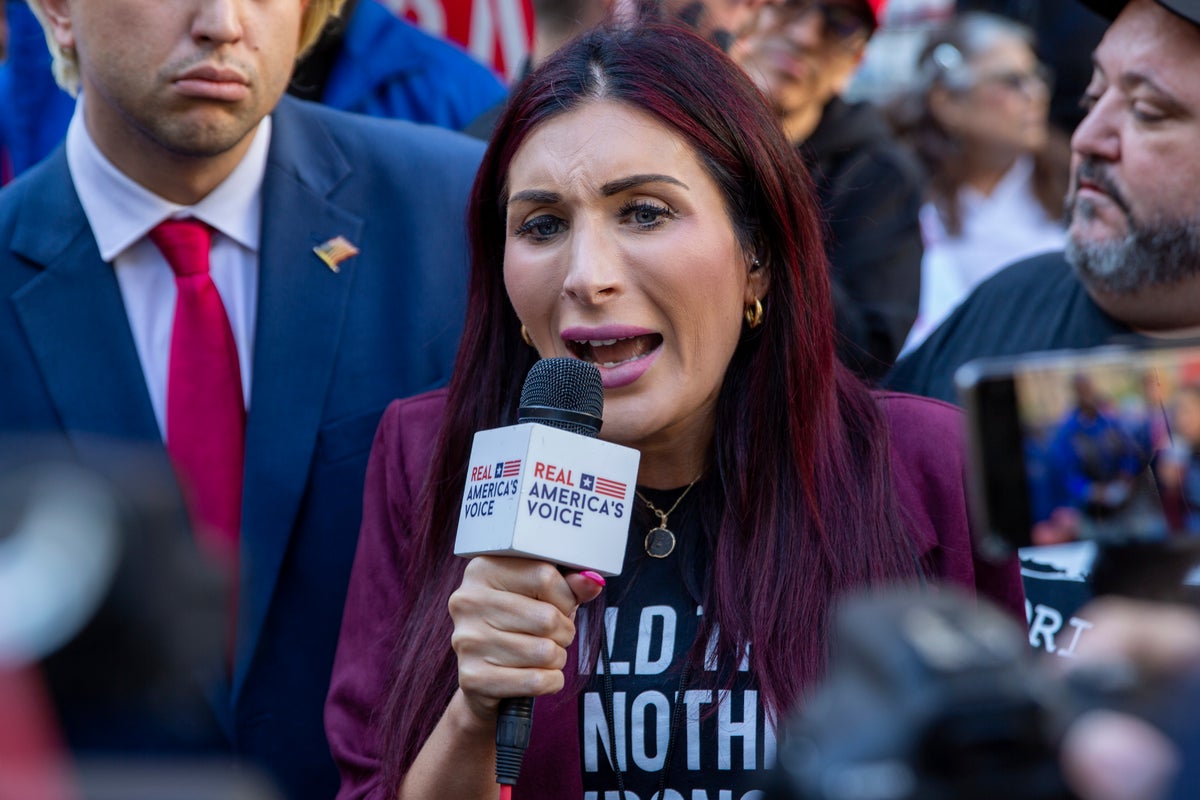
You can delete a tweet, but you can’t delete the internet’s memory. Laura Loomer, the far-right firebrand known for her "scorched earth" digital presence, found that out the hard way this week. During her trip to New Delhi for the India Today Conclave 2026, the self-proclaimed "most banned woman in the world" was forced into a corner she rarely occupies: an apology.
Seeing a political provocateur get their own words read back to them is always a specific kind of theater. It’s even more dramatic when those words involve derogatory stereotypes about the very people hosting you. Loomer’s "awkward moment" in New Delhi wasn't just a social gaffe. It was a collision between the consequence-free world of Western social media and the reality of global diplomacy.
The Tweets That Wouldn't Stay Buried
Loomer didn't arrive in India with a clean slate. Long before she touched down in New Delhi, her past comments about Indian heritage were already circulating among local activists and journalists. The most notorious post, which she eventually deleted, targeted Vice President Kamala Harris’s Indian ancestry.
In that post, Loomer suggested that a Harris presidency would result in the White House "smelling like curry" and speeches being "facilitated via a call center." It’s the kind of low-hanging, stereotypical "humor" that usually stays within the echo chambers of X (formerly Twitter). But when you're sitting on a stage in India, those words carry a different weight.
During the conclave, Loomer was confronted directly with these remarks. The air in the room shifted. You could see the pivot—a rare moment where the aggressive, unapologetic Loomer persona flickered. She admitted she "should not have said" some of those things and offered a public apology to anyone offended.
Why an Apology Isn't a Policy Shift
Don't mistake this for a total change of heart. Loomer is a strategist, and she knows when she needs to play nice to maintain her platform. While she walked back the "curry" comments, she drew a very firm line in the sand regarding the H-1B visa program.
- The H-1B Stance: She refused to apologize for her opposition to the visa program, citing the "protection of American workers."
- The "Love" Defense: She claimed her comments didn't come from a place of hatred for India or Hindus, but rather a "place of love" for her own country.
- The Shift to Islamophobia: Almost as if to distract from her anti-Indian comments, she pivoted to a familiar target, labeling Islam a "cancer to the world" and attacking Pakistan as a "jihadist state."
This is the classic Loomer playbook. When backed into a corner on one front, double down on another. By pivoting to anti-Islamic rhetoric in a country with its own complex religious tensions, she attempted to find a new "common ground" with a specific segment of her audience, even while standing on foreign soil.
The Reality of Digital Footprints in 2026
If there’s a lesson here, it’s that the "delete" button is a myth for public figures. People often think that if they scrub their profile, the controversy vanishes. It doesn’t. In 2026, archival bots and screenshot culture ensure that your worst moments are always just one search query away.
Loomer’s New Delhi trip was meant to be a moment of international outreach, perhaps even an attempt to broaden her influence. Instead, it became a masterclass in how past digital behavior can kneecap future opportunities. You can't spend years building a brand on "telling it like it is" and then expect people to forget the specifics of what you actually said.
Dealing with the Backlash
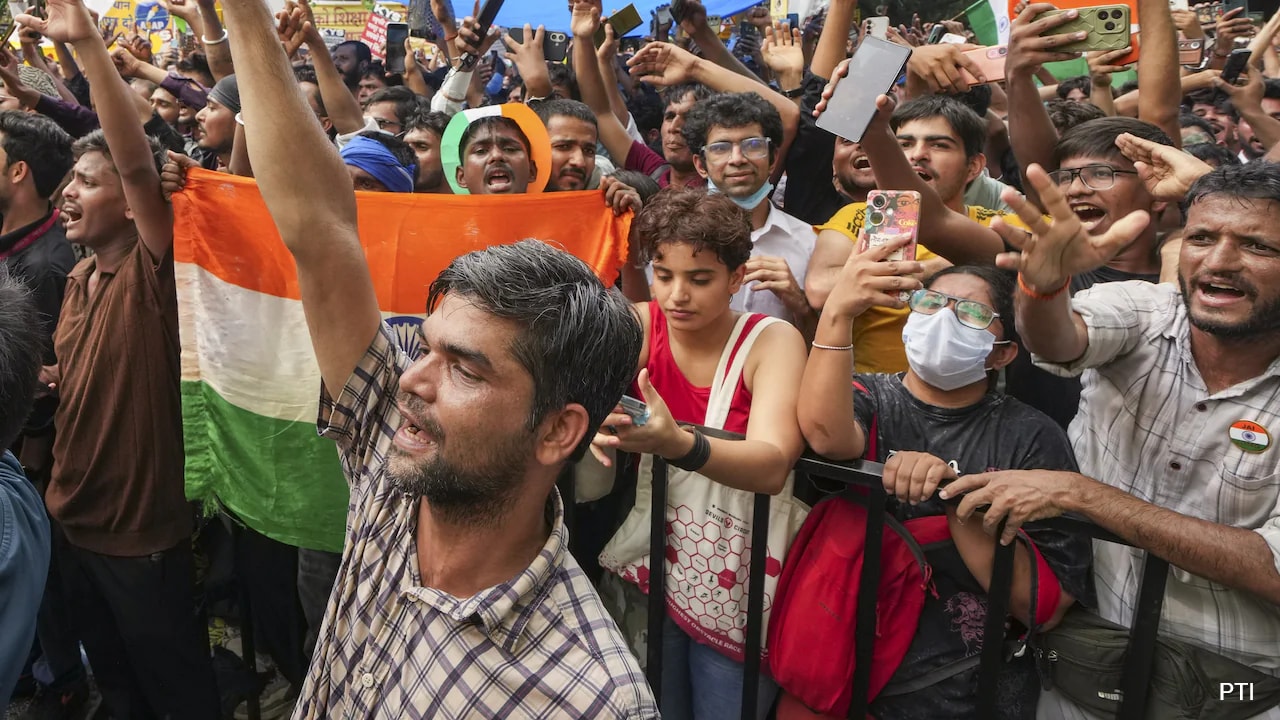
The reaction in India was swift. While some figures, like venture capitalist Asha Jadeja Motwani, came to her defense regarding her views on radicalism, many others were less forgiving. Indian activists and academics pointed out the irony of her visiting the Taj Mahal—a monument built by a Muslim ruler—while simultaneously calling Islam a "cancer."
Honestly, watching this play out felt like watching a glitch in the matrix. Loomer thrives on conflict, but she usually controls the environment. In New Delhi, she wasn't the one holding the microphone; she was the one answering for her history. It was a reminder that even the loudest voices on the internet eventually have to face the music in the real world.
If you're following these kinds of political cross-overs, keep an eye on how these "apologies" are used. They're rarely about genuine remorse. They’re about clearing a path to the next headline.
Take a moment to look at your own digital footprint. If you were standing on a stage in a foreign capital tomorrow, is there anything in your "deleted" folder that would make you squirm? Because in this era, the receipt is always kept.
The next step is to watch how this affects her standing with the "America First" crowd back home. Some see the apology as a sign of weakness; others see it as a necessary diplomatic pivot. Either way, the "curry" comments aren't going away just because she said sorry in New Delhi.