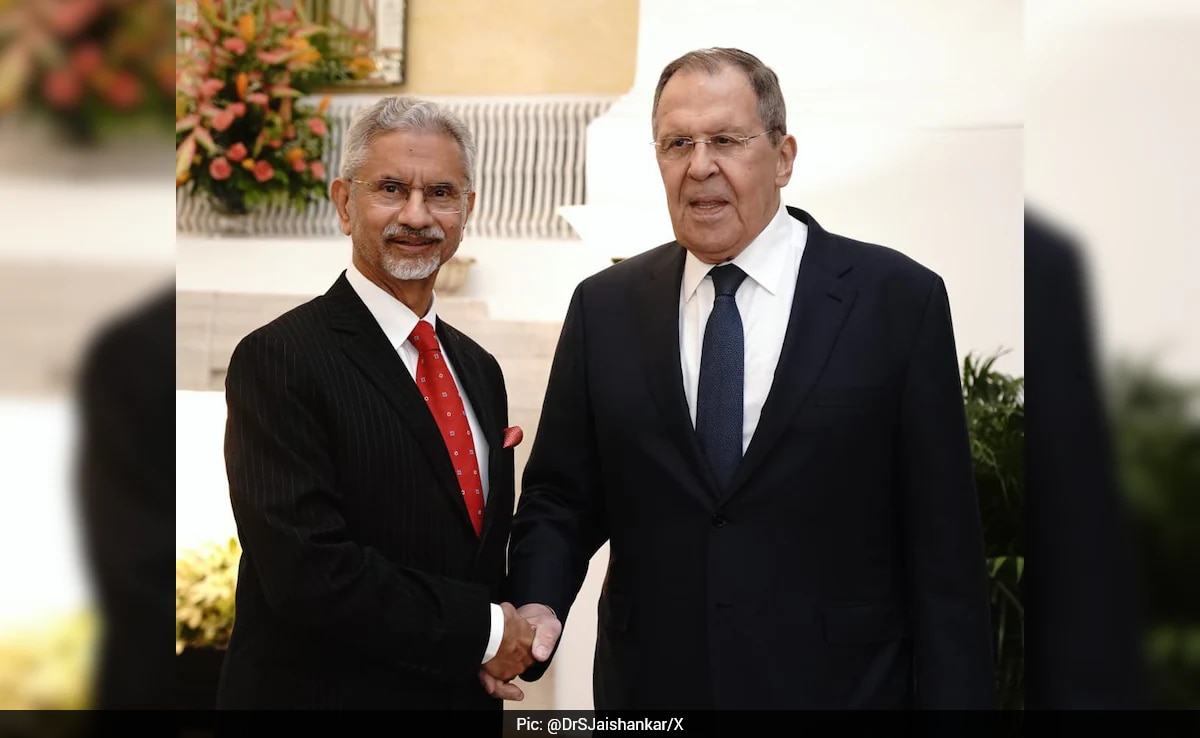
Russia thinks India holds the keys to the Middle East. It sounds like a bold claim, but Moscow is leaning into the idea that New Delhi can do what Washington and Beijing haven't managed. They believe India has the unique ability to sit Iran and the UAE at the same table and actually get them to stay there. This isn't just diplomatic fluff. It's a recognition of a shifting global order where the old players are too compromised to lead.
You see, the Middle East is tired of being a chessboard for Western powers. For decades, the US has tried to mediate while clearly favoring one side. It hasn't worked. Now, Russia is pointing at India as the "catalyst" for a different kind of peace. India doesn't carry the baggage of colonial history in the region, nor does it try to impose a specific political ideology on its partners. It just wants stability for its energy needs and its millions of citizens working in the Gulf.
The Moscow Perspective on New Delhi
Russian officials have been vocal about this recently. They're looking at India’s growing influence and seeing a bridge. India maintains a strategic partnership with Iran, especially regarding the Chabahar port. At the same time, its ties with the UAE and Saudi Arabia have never been stronger. This dual-track relationship is rare. Most countries are forced to pick a side. India refused.
Moscow’s endorsement of India isn't just about being nice. It's practical. Russia is bogged down in Ukraine and faces heavy sanctions. It needs a stable Middle East to keep global energy markets predictable and to ensure its North-South Transport Corridor actually functions. If India can keep the peace between Tehran and Abu Dhabi, it helps Russia’s bottom line too. It's a classic case of shared interests disguised as high diplomacy.
Why Iran and the UAE Trust India
Trust is a rare currency in the Persian Gulf. Iran is often isolated, while the UAE is rapidly modernizing and seeking security through diverse alliances. So why does India work as the middleman?
First, look at the energy. India is one of the biggest buyers of Middle Eastern oil. That gives them huge economic leverage. If India tells Iran or the UAE that conflict is bad for business, they listen because India is their customer. Money talks louder than any UN resolution ever could.
Second, there’s the diaspora. Millions of Indians live and work in the UAE. They are the backbone of the Emirati economy. This creates a human bond that transcends government-to-government deals. If things go south in the Gulf, India has a massive stake in the outcome. They aren't just observers; they're stakeholders.
Third, India’s "Strategic Autonomy" policy. India has managed to buy S-400 missile systems from Russia while joining the Quad with the US. They’ve signed trade deals with Israel while investing in Iranian infrastructure. This ability to walk the tightrope makes them the perfect candidate to mediate between Iran and the UAE. They don't take orders from anyone, and that commands respect in a region that values sovereignty above all else.
India’s Unique Position in the I2U2 and Beyond
The I2U2 group—comprising India, Israel, the UAE, and the US—is a perfect example of this new reality. India is the glue holding it together. While the US and Israel focus on security, India brings the developmental and economic focus that the UAE craves. It’s a pragmatic approach.
But the real test is Iran. The UAE and Iran have had a rocky relationship for years, punctuated by territorial disputes and regional rivalry. However, both nations have signaled a desire to de-escalate. They need an honest broker. The US is too closely tied to Israel and the Saudis to be seen as neutral by Tehran. Russia is too distracted. China is interested, but their approach is often seen as purely transactional. India feels different. It feels like a peer.
The Chabahar Factor
India’s investment in the Chabahar port in Iran is the most visible sign of its commitment to the region. This port isn't just about trade; it’s a geopolitical statement. It bypasses Pakistan and links India to Central Asia and Russia. By keeping Iran economically engaged through Chabahar, India provides Tehran with a reason to keep the peace.
UAE, meanwhile, is watching closely. They aren't threatened by Chabahar; they want to see how it integrates into the broader regional trade network. If India can link the infrastructure of the UAE with the transit potential of Iran, everyone wins. It’s about creating a web of interdependence that makes war too expensive to contemplate.
Challenges to the Indian Mediation
It isn't all smooth sailing. India traditionally prefers "quiet diplomacy" over flashy peace summits. The Indian Ministry of External Affairs usually likes to stay behind the scenes. Stepping into the spotlight as a Middle East mediator is a big risk. If a deal fails, India’s reputation takes a hit.
There's also the "Washington factor." How much room will the US give India to lead? While the US officially supports India’s rise, they might get twitchy if New Delhi gets too close to Tehran. India has to balance its friendship with Washington with its need to engage Iran. It’s a messy, complicated dance.
Russia’s Strategic Motivation
We should be honest about why Russia is pushing this narrative. By promoting India as the mediator, Russia is subtly undermining Western influence. They want to show that the "Global South" can solve its own problems without help from the G7. It’s a way for Moscow to remain relevant in Middle Eastern affairs without having to commit resources they don't have.
But just because Russia has an agenda doesn't mean they're wrong. India is objectively the best-placed nation to bridge the gap. They have the cultural ties, the economic weight, and the diplomatic history to make it happen.
What This Means for Global Stability
If India succeeds, it changes everything. It proves that the unipolar world is dead. We’d be looking at a future where regional powers, led by India, manage their own neighborhoods. For the Middle East, this could mean a shift away from the "security first" mindset that has led to so many wars, moving instead toward an "economy first" model.
The UAE and Iran both want to be global hubs for trade and tech. They can’t do that if they’re constantly looking over their shoulders at each other. India provides the comfort level needed to lower the temperature. It's about small wins—trade agreements, joint infrastructure projects, and maritime security cooperation.
Moving Forward
Don't expect a grand peace treaty signed on a lawn anytime soon. That’s not how India works. Expect more high-level visits, more trade delegations, and more "technical" meetings between Iranian and Emirati officials in New Delhi. Watch the progress of the International North-South Transport Corridor (INSTC). That’s where the real work is happening.
If you’re tracking this, keep your eyes on the maritime exercises in the Arabian Sea. When you see Indian, Iranian, and Emirati ships training together, you’ll know the "catalyst" is working. India isn't just watching the Middle East; it's shaping it. It’s time we started paying attention to how they do business. Focus on the bilateral trade numbers between these three nations over the next year. That’s the real scorecard for peace. Forget the rhetoric and follow the freight routes. That's where the future of the Middle East is being built, one shipping container at a time.