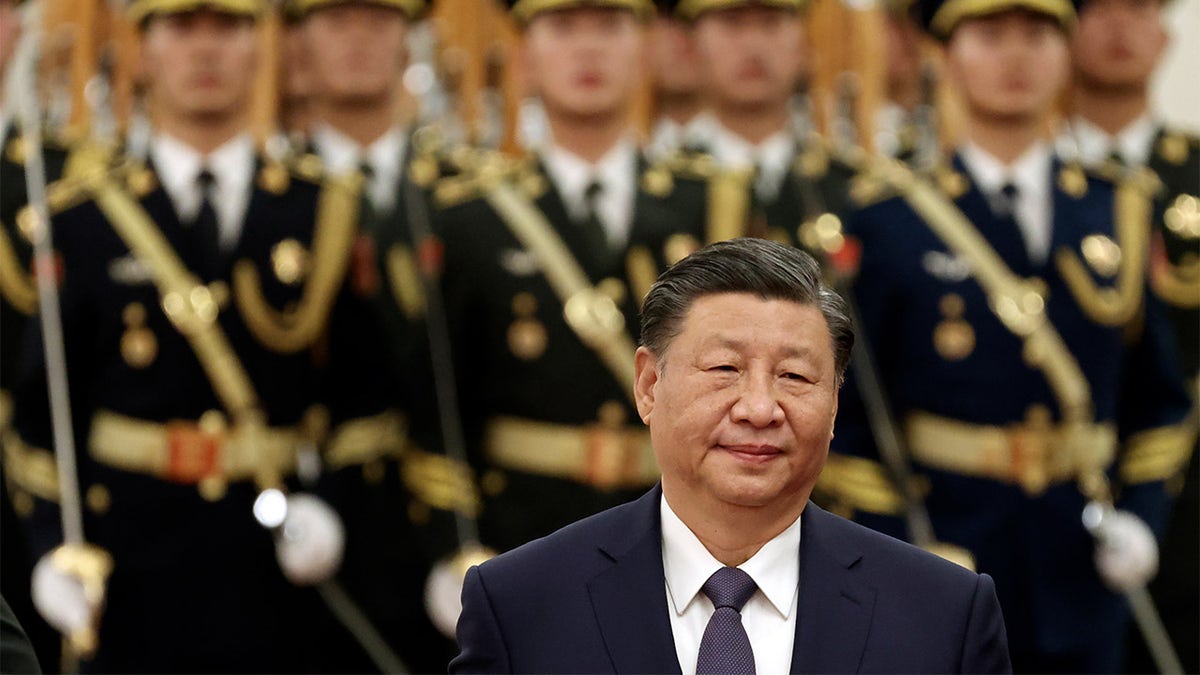
The traditional global playbook is falling apart. When Chinese President Xi Jinping stood before international leaders at the BRICS summit and declared that the old logic of "might makes right" no longer holds, he wasn't just tossing out standard diplomatic rhetoric. He was drawing a hard line in the sand. Beijing is actively pushing emerging economies to rewrite the rules of international governance, signaling a direct challenge to Western-led institutions that have dominated global policy for nearly a century.
You don't have to look far to see why this messaging resonates across developing nations. For decades, countries in Asia, Africa, and Latin America have watched Western powers enforce international law selectively. Unilateral sanctions, financial weaponization, and long-arm jurisdiction have left deep scars. When Xi urges the Global South to rally together and defend multilateralism without double standards, he is capitalizing on widespread frustration with an international order that often feels rigged against anyone outside Western capitals.
The Real Strategy Behind the Rhetoric
Why is China making such a heavy play for the Global South right now? It's simple math and geopolitical survival. Facing persistent trade pressures and tech restrictions from Washington and Brussels, Beijing needs reliable allies. By positioning itself as the champion of developing nations, China is building an alternative diplomatic fortress.
This isn't just about handshakes and photo-ops at summit meetings. It involves concrete institutional shifts. Think about the expansion of BRICS, the growing influence of the New Development Bank, and alternative financial frameworks designed to bypass Western clearing systems like SWIFT. Beijing wants to ensure that future trade routes, technology standards, and resource supply chains answer to a multipolar system rather than a single Western hegemon.
Shifting Power Dynamics in Global Governance
The pushback against Western dominance is gaining real momentum because the old institutions are failing to adapt. The United Nations Security Council and legacy financial bodies like the International Monetary Fund still reflect the geopolitical realities of 1945, not 2026. Developing economies generate the lion's share of global growth today, yet they still hold backseat voting rights in major financial decisions.
When leaders from major emerging markets call for reforms in global trade and financial architecture, they are pointing out a glaring structural flaw. You cannot run a twenty-first-century global economy with mid-century gatekeepers. Xi's appeal strikes a chord because it addresses this imbalance directly, arguing that the monopolization of international affairs by a small club of nations is unsustainable.
What This Means for the Future of International Law
We are witnessing a fragmented global order take shape. On one side, Western nations cling to a rules-based order that critics argue is applied whenever convenient and ignored when obstructive. On the other side, an expanding coalition of non-Western nations demands strict adherence to sovereign equality and non-interference, while quietly crafting parallel systems of trade and security.
This friction will define international relations for the next decade. As developing nations demand a louder voice, traditional superpowers can no longer afford to ignore the shift. The rules of global engagement are up for grabs, and the outcome will depend entirely on whether traditional powers adapt to a multipolar world or double down on isolation.