The asphalt on Figueroa Street remembers heat. It remembers the sticky month of August in 1984, when a city built on the horizontal dream of the automobile suddenly became a pedestrian maze of foreign accents, color-coded volunteers, and helicopters chewing the smoggy air above the Coliseum. Back then, people whispered that Los Angeles was committing financial suicide. The city had voted against public subsidies. The international press predicted gridlock apocalypse, a localized economic crater from which no municipality could recover.
Instead, a strange thing happened. The city turned a profit.
Now, the calendar turns toward another summer, and the economic prophets are back with their spreadsheets. A fresh wave of analyses predicts a massive financial windfall for Southern California as the 2028 Olympic and Paralympic Games approach. Billions of dollars. Millions of visitors. An unprecedented surge in hospitality revenue, construction jobs, and global visibility.
Yet numbers printed on glossy white paper rarely capture the texture of daily life in a sprawling metropolis of twelve million souls. They do not tell you what it feels like to stand behind a cash register in Inglewood as the shadow of a billion-dollar stadium stretches across your storefront. They do not measure the anxiety of a renter in Koreatown wondering if the rent will double before the first torch is lit. They do not capture the electric, nervous thrill of a teenager on a skateboard in Venice Beach watching the world map redraw itself right over their neighborhood.
To understand what is coming, we have to look past the sterile equations of gross domestic product and examine the human architecture of a city bracing for the spotlight.
Consider Elena.
Elena is not a statistic, though economists would classify her under accommodation and food services. She operates a third-generation family bakery tucked away on a side street in East Los Angeles, famous for conchas that smell of warm cinnamon and butter before the sun crests the San Gabriel Mountains. For decades, Elena’s rhythm has been dictated by the quiet hum of local regulars—schoolteachers, mechanics, nurses, and retirees who stop by for their morning coffee and pan dulce.
When Elena reads about the projected economic windfall, her reaction is not champagne-pop celebration. It is a knot in her stomach.
She remembers stories from Vancouver, from London, from Rio. She knows that when the global circus rolls into town, the rent goes up. Municipal governments pave the main thoroughfares while side streets crumble. Corporate sponsors buy up block space. The economic gravity of the event pulls resources toward the gilded centers of tourism—downtown hotels, Santa Monica piers, Beverly Hills boutiques—while neighborhoods like hers are left to navigate the collateral friction of inflated prices and choked traffic.
And yet, the projections are undeniable. Economists project that the 2028 Games will inject upwards of eleven billion dollars into the regional economy. Tourism boards anticipate hundreds of thousands of international visitors extending their stays, renting cars, booking Airbnbs, dining at local restaurants, buying tickets to museums from the Getty to the Broad.
How do we reconcile these two truths? How can a region experience a historic economic boom while individual residents hold their breath?
The answer lies in how Los Angeles plans to host. Unlike previous host cities that bankrupted themselves building white-elephant aquatic centers and colossal stadiums in marshlands, Los Angeles has made a radical promise.
They are building nothing new.
Take a moment to absorb that constraint. In a culture addicted to the fresh, the shiny, and the monumental, the organizing committee for the 2028 Games has committed to a zero-new-permanent-venue strategy. The events will happen in existing architectural marvels. Swimming at the historic USC stadium. Gymnastics at the Crypto.com Arena. Track and field at the Los Angeles Memorial Coliseum. Basketball at the Kia Forum or downtown arenas. Surfing in Malibu. Golf in Pacific Palisades.
This is not just an exercise in fiscal conservatism. It is a profound shift in urban philosophy. By refusing to construct billion-dollar monoliths that sit vacant and rotting after three weeks of glory, the city avoids the traditional Olympic hangover. The money generated will not go toward paying off decades of municipal debt for empty concrete colosseums. It will flow through the veins of existing commerce—the hotels, the restaurants, the transit lines, the small businesses.
Money moves.
When a tourist from Tokyo lands at LAX, takes a newly expanded Metro line down to Expo Park, buys a taco from a street vendor outside the Natural History Museum, and checks into a boutique hotel in Culver City, that dollar does not vanish into a sovereign wealth fund. It circulates. It pays the vendor’s wholesale tortilla supplier in Boyle Heights. It covers the hotel housekeeper’s grocery bill in Long Beach. It funds the city sales tax that fixes a pothole on Crenshaw Boulevard.
This is the invisible machinery of the windfall.
But machines have friction.
In the neighborhoods surrounding the major venues, traffic will not merely be heavy; it will be a psychological test of endurance. Anyone who has tried to commute through downtown Los Angeles during a championship parade knows the feeling of urban paralysis. Now multiply that by thirty concurrent sporting events distributed across a county spanning over four thousand square miles.
Urban planners have devised ambitious car-free initiatives. They talk of "No-Car Olympics," leaning heavily on the region’s expanding subway and light rail networks. Billions are currently being poured into transit arteries—extending the Purple Line toward Westwood, connecting LAX directly to the rail grid via the newly minted People Mover.
For the average Angeleno, this infrastructure investment is the true legacy of the Games. Tourists come and go in a fortnight. A subway line stays for a century.
Think about what that means for a working-class student in South LA who currently spends two hours on three different buses to reach a community college in Santa Monica. If the transit expansion works as promised, that commute shrinks dramatically. Economic mobility is inextricably linked to spatial mobility. When you connect isolated neighborhoods to the economic hubs of the coast and downtown, you distribute opportunity. You allow wealth to travel down the freeway, rather than just pooling in the wealthy enclaves.
Yet, skepticism is earned. Los Angeles has promised transit revolutions before, only to deliver delayed timelines and cost overruns. The fear of displacement remains the quiet heartbeat beneath the excitement. Gentrification moves faster than municipal oversight. When property values spike in anticipation of global foot traffic, landlords do not wait for the opening ceremony to raise rents.
This is where the narrative diverges from the press releases. The economic windfall is not a rising tide that lifts every boat equally. Some boats are tied to the dock with rotting ropes.
To make the 2028 Games a genuine victory for the entire community, the city must confront its deep structural inequalities with the same rigor it applies to security planning and stadium logistics. Community benefit agreements, tenant protection ordinances, and targeted grants for micro-businesses must accompany the corporate sponsorship packages.
Otherwise, we risk a glittering spectacle played out against a backdrop of quiet displacement.
Let us return to Elena at her bakery in East Los Angeles.
Imagine it is July 2028. The morning sun cuts through the smog, turning the sky a pale, bruised gold. Outside, the street is quieter than usual because the city has successfully urged office workers to telecommute and tourists are concentrated near the coastal zones. But inside Elena’s bakery, the door chimes ring continuously.
A family from Munich, having read a viral travel blog about authentic local pastries, steps up to the counter. They point excitedly to the conchas. They do not speak fluent English, but they speak the universal language of pointing at delicious food. Elena smiles, wipes flour from her apron, and bags the pastries.
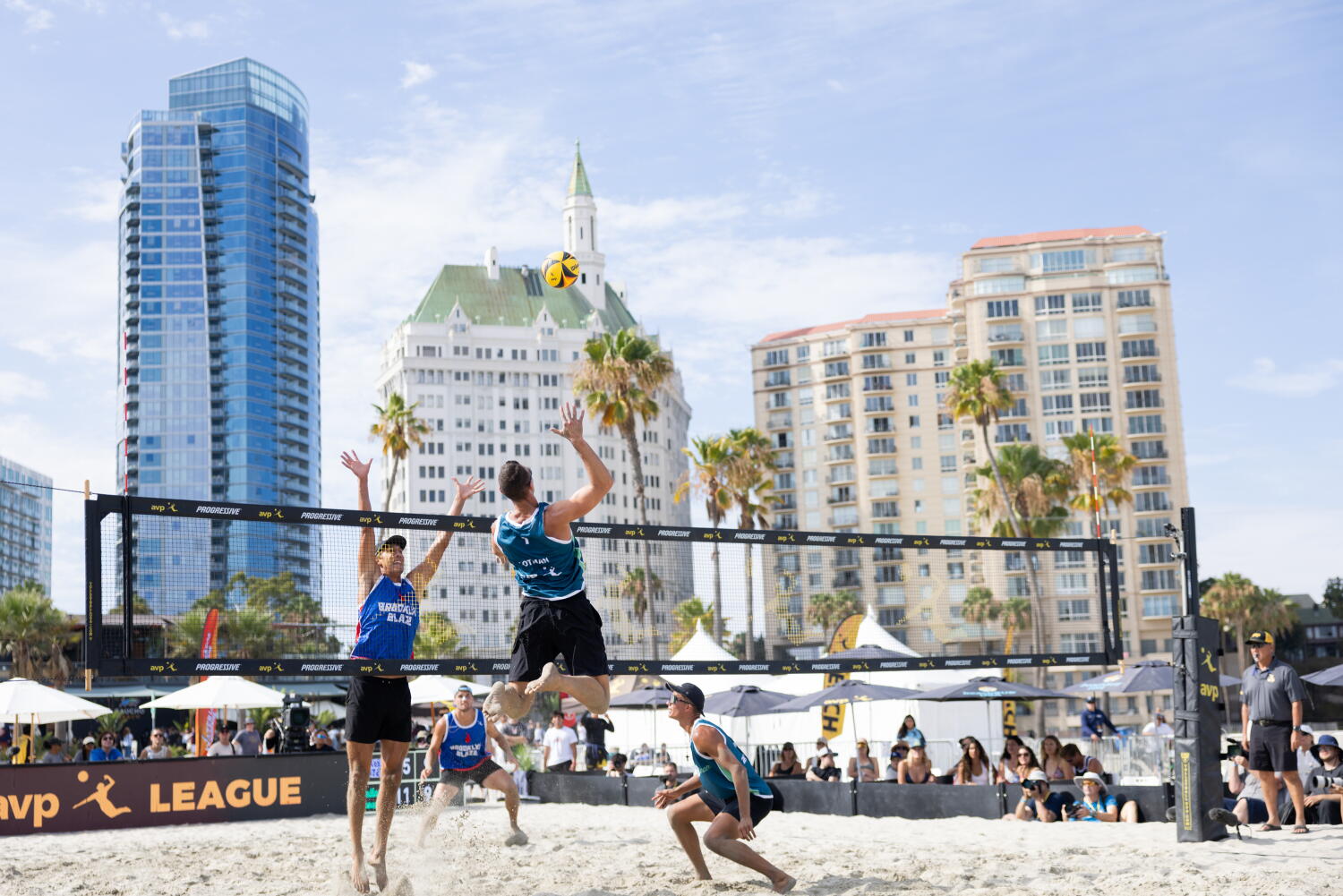
On the counter next to the cash register sits a smartphone broadcasting live footage of beach volleyball in Santa Monica. Down the street, the Metro train glides silently past on newly laid tracks, carrying workers, fans, and dreamers from one end of the county to the other in twenty minutes flat.
Elena’s cash drawer clicks shut. The register tape rolls forward.
The windfall is real. It is not just an abstract number generated by macroeconomic consultants in sleek glass towers. It is the hum of a cash register, the rumble of a train underneath the concrete, the sweat of volunteers handing out water bottles under a scorching Southern California sun.
The world is coming to Los Angeles. Not to look at monuments we built for them, but to participate in the messy, vibrant, complicated life we already live here every single day.
How we welcome them will define not just our economy, but our soul.