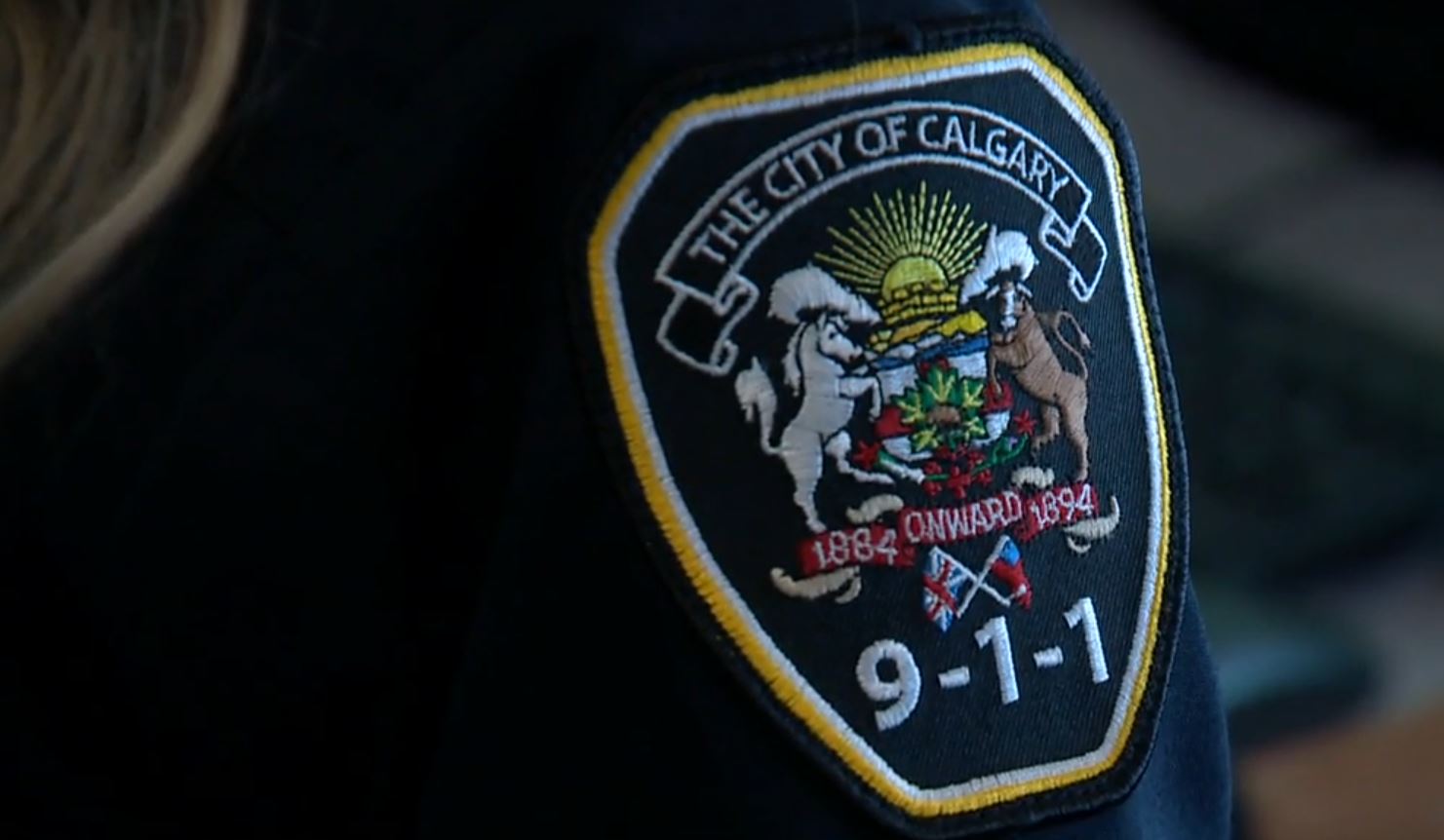
The room does not sleep. It hums.
To the average person walking past the nondescript municipal building in Calgary, the work inside is invisible. But inside the Calgary 911 communications center, the air is thick with a heavy, pressurized silence, broken only by the rhythmic click of keyboards and the low, urgent murmurs of operators guiding people through the worst days of their lives.
Imagine a map of a city. Now, imagine that map pulsing with red lights, each one a car crash, a silent panic button, a heart stopping, a break-in in progress. The dispatchers are the cartographers of this chaos. They see the city not in concrete and glass, but in coordinates of human suffering and emergency response. They hold the keys to a vast, digital vault of information—addresses, criminal records, private phone numbers, domestic dispute histories, and the highly sensitive locations of undercover police units.
Trust is the only currency that keeps this system from collapsing.
When a citizen dials those three digits, they hand over their safety to a stranger. When a police officer steps out of a cruiser into a dark, freezing Calgary alley, they rely on the voice in their earpiece to tell them exactly what is waiting behind the fence. If that voice falters, or if the eyes behind the screen look where they should not, the entire structure splinters.
That is the quiet tragedy behind a brief, dry press release from the Calgary Police Service. An employee, hired to protect, was charged with breach of trust.
The Screen That Sees Everything
Every keystroke leaves a digital footprint.
When you work within a public safety communications center, you are given access to databases that make the average marketing firm's data collection look like child’s play. These systems—often linked to national databases like the Canadian Police Information Centre—hold the intimate details of millions of lives. They list who you live with, your mental health history, whether you own firearms, and every interaction you have ever had with the law, even as a witness.
For a 911 call-taker, this data is vital. It is the shield they use to protect the officers they dispatch into unpredictable situations. If an officer is rushing to a domestic dispute, the dispatcher can quickly look up the address and warn them: The occupant has a registered firearm. There is a history of violence at this residence.
But this power requires a strict, absolute boundary. The database is a tool for active public safety, not a personal search engine.
The investigation into the Calgary 911 employee began not with a dramatic raid, but with a silent red flag in the system. Security audits are the invisible guardians of these databases. Every time an operator types a name or an address into the search bar, a log is created. The system asks, implicitly: Why are you looking at this? Is there an active call? Is an officer asking for this information?
When the logs do not match the dispatch records, the silence of the screen becomes incredibly loud.
The Weight of the Breach
To understand why this matters, we have to look past the legal jargon. "Breach of trust by a public officer" sounds clinical. It belongs in a textbook.
The reality is much more raw.
Think about a woman who has fled an abusive partner. She has moved to a new neighborhood, changed her routine, and spent months looking over her shoulder. She believes her new address is safe, hidden away in a database only accessible to emergency services. If an employee inside that service queries her name without authorization, that safety evaporates. The mere possibility that personal information could be accessed, leaked, or used for non-official purposes is enough to shatter a survivor’s sense of security.
For the police officers on the street, the stakes are physical.
They work in a world where information is survival. If an officer believes that the database keeping track of their movements, their home addresses, or their active investigations is being accessed by someone without authorization, the trust between the dispatcher and the street cop breaks down. During a high-stress pursuit, an officer cannot afford to wonder if the person directing them is fully committed to their safety.
Suspicion is a poison. Once it enters a department, it corrupts the collective confidence required to do a dangerous job.
The Anatomy of an Investigation
When a discrepancy is found, the machinery of internal accountability turns slowly but with immense force.
The Calgary Police Service Anti-Corruption Unit exists for this exact reason. It is a grueling process. Investigators must meticulously cross-reference thousands of digital logs with real-world events. They must prove that the searches were not accidental, that they were not part of a training exercise, and that they had no legitimate operational purpose.
In this case, the investigation led to the arrest of a veteran communications officer.
The public reaction to these stories is often a mix of anger and bewilderment. Why would someone risk a stable, well-paying municipal career with a pension to look at files they shouldn't? Sometimes the motivation is curiosity—an employee snooping on a neighbor, a spouse, or a local celebrity. Other times, the motivations are far darker, involving the passing of information to organized crime or individuals who wish to evade the law.
Regardless of the motive, the consequence to the community remains identical.
The Silent Cost of Rebuilding
What happens the morning after an arrest like this is announced?
The shift doesn't stop. The phones keep ringing. In the Calgary 911 center, operators still sit before their banks of monitors, their headsets adjusted, answering the endless tide of human panic. They must carry the burden of their former colleague’s actions while doing a job that already pushes people to their emotional limits.
They face the skepticism of the public. They have to answer calls from citizens who are suddenly hesitant to give their home addresses or names.
Rebuilding that trust is a long, tedious process of policy adjustments, stricter audit intervals, and quiet professionalism. It is work done in the dark, away from the headlines. The city relies on the hope that this breach was an anomaly, a single broken link in an otherwise strong chain.
We watch the flashing lights of an ambulance or a police cruiser and think of those vehicles as the front line of public safety. But the real front line is a quiet room filled with glowing screens, where the most valuable asset is not the technology, but the integrity of the person sitting in the chair.
When the static clears, all we have left is their word.