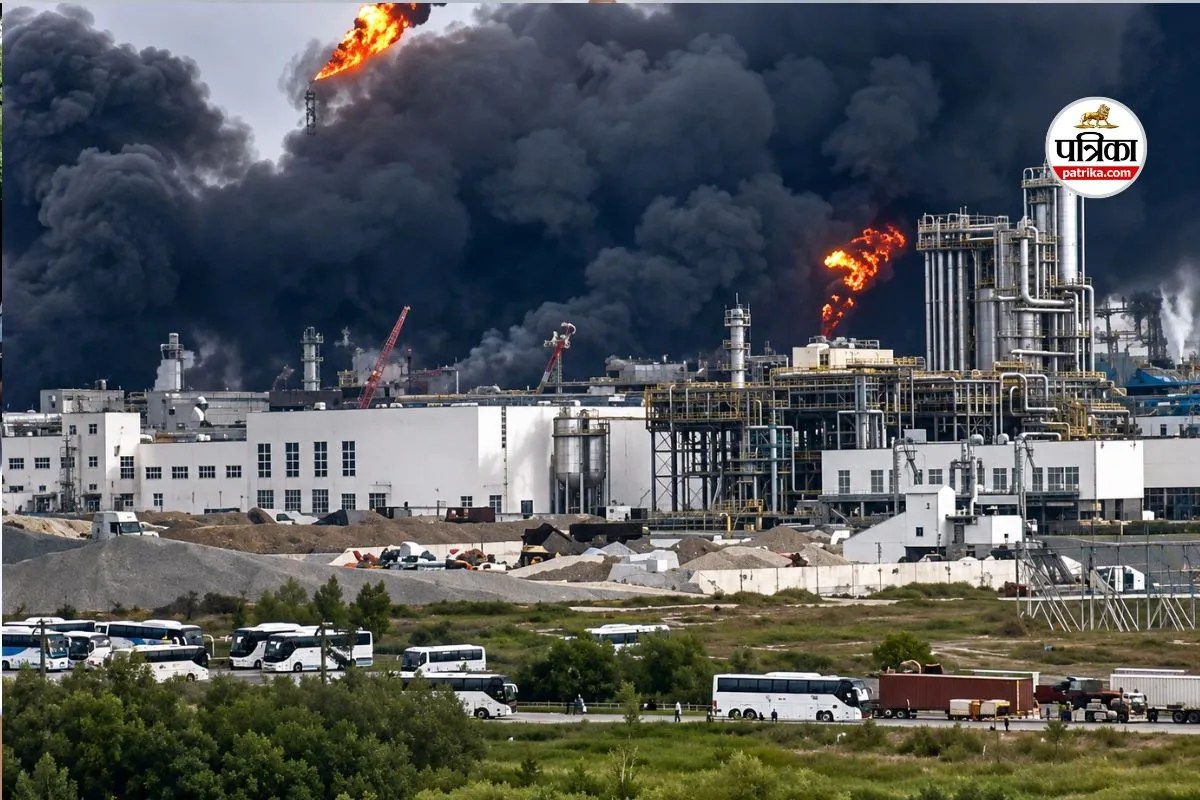
Seven people are dead and nine others are missing following a massive industrial disaster at the Amur Gas Chemical Complex in Russia's far eastern Amur region. Out of those killed, six were Chinese nationals. This wasn't just a minor accident. It highlights the severe human cost tied to massive joint energy ventures operating under intense construction timelines.
The fire broke out on a Tuesday, plunging the massive industrial site into chaos. While plant officials confirmed that the blaze was eventually extinguished, the aftermath paints a grim picture. Over 150 people sought medical treatment for injuries. Thirty-six individuals had to be rushed to area hospitals, requiring emergency medical aircraft to shuttle victims out for specialized care.
Understanding the Amur Project Scale
To grasp why this disaster impacts more than just the immediate region, you need to look at what the facility represents. The Amur Gas Chemical Complex is positioned to become one of the biggest producers of polyethylene and polypropylene on the entire planet.
The site is built on international cooperation. It is a massive joint project pairing Russia's petrochemical giant Sibur with China's energy corporation Sinopec. Before the fire, the facility hadn't even started commercial operations yet. It was deep in the final preparation phase, aiming for an annual output of 2.3 million metric tons of polyethylene and 400,000 tons of polypropylene.
Mega-projects like this rely heavily on contract labor. Russia routinely brings in thousands of foreign workers—particularly from China—to handle the heavy lifting of construction and infrastructure buildout. When safety measures fail on a site of this magnitude, migrant and foreign workers often bear the brunt of the danger.
The Investigation and Safety Violations
Russia's Investigative Committee stepped in immediately. They are treating the disaster as a potential breach of industrial safety regulations. Investigators are currently working to pinpoint the exact sequence of events that triggered the blaze.
Industrial sites handling petrochemical precursors leave zero room for error. Residual process gases often require supervised burning off by specialists, and construction zones operating under pressure can easily suffer from oversight. While preliminary reports suggested that primary production equipment escaped total destruction, the loss of human life completely eclipses any logistical updates.
Diplomatic channels have also swung into gear. A working group from the Chinese Consulate General in Khabarovsk arrived at the scene to manage consular duties, coordinate with local authorities, and assist families affected by the tragedy.
Search and rescue teams continue combing through the charred remnants of the complex to locate the nine missing workers. With accountability hanging in the balance, pressure is mounting on both Sibur and Sinopec to overhaul site safety protocols before any future production startup dates are locked in.