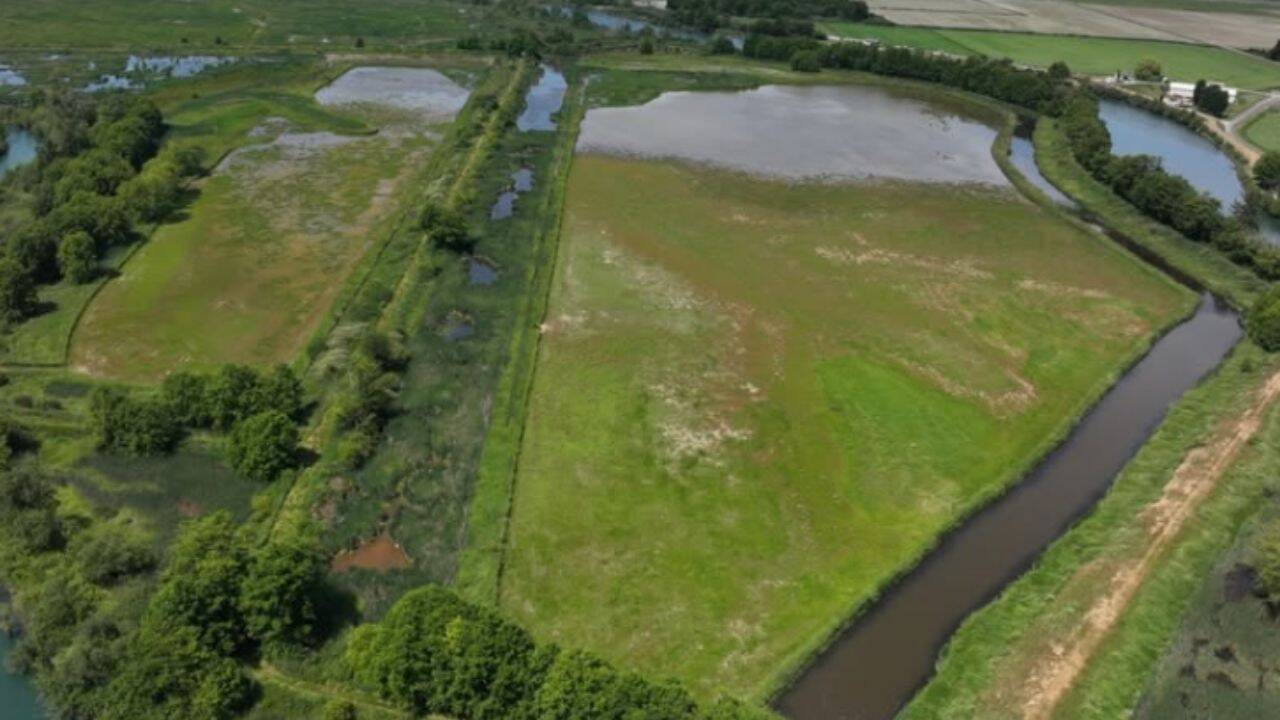
Everybody loves a good marsh. Bureaucrats weep tears of bureaucratic joy over tidal sloughs. Conservation groups drop champagne flutes when a dike gets breached. The lazy consensus says that moving dirt around in the Skagit delta automatically brings back chinook salmon, fixes the orcas, and heals the Puget Sound.
It is a comforting fairy tale. It is also an expensive delusion.
Washington just launched another massive project to restore 270 acres of Skagit estuary habitat. Millions of taxpayer and ratepayer dollars are about to go toward tearing down levees and reconnecting tidal channels. The pitch sounds great on a glossy brochure. We are fixing nature. We are undoing the sins of industrial agriculture.
I have spent two decades watching ecological engineering projects. I have seen millions blown on textbook coastal interventions that completely ignore basic hydrodynamics and real-world sediment dynamics. The state is throwing capital at surface symptoms while completely ignoring the structural choke points governing Puget Sound recovery.
Let us break down why this 270-acre project is mostly theater, and what we should be doing instead if we actually care about fish.
The Sinking Ship of Process-Based Restoration
The core dogma driving the Skagit project is process-based restoration. The theory goes like this: if you remove man-made barriers, tidal energy will reassert itself, channels will carve out naturally, and juvenile chinook salmon will gorge on benthic invertebrates in the newly accessible marsh plain.
It sounds scientific. But it relies on a static view of a dynamic, highly altered system.
The Skagit River is the largest contributor of freshwater to Puget Sound. It drains a massive watershed choked with upstream logging legacy effects, urban development, and agricultural dikes. When you carve open a 270-acre pocket estuary in the lower delta, you are dropping a tiny band-aid on a massive arterial wound.
More importantly, tidal wetlands do not operate in a vacuum. Estuarine rearing habitat is only useful to juvenile salmon if they survive the trip down, find adequate food webs, and avoid heavy chemical pollution loads upon entering marine waters. Pushing fish into a newly dug marsh does not mean a damn thing if the open waters of the Sound are an ecological desert or a thermal trap.
We are engineering for historical ghosts. The historical Skagit delta no longer exists. Sea levels are rising, water temperatures are climbing, and upstream sediment loads are entirely different than they were a century ago. Trying to recreate a pristine 19th-century marsh in a 21st-century climate reality is a fool's errand.
The Sediment Trap Nobody Talks About
Let us look at the mechanical reality of what happens when you breach dikes in a heavily farmed delta.
When you let tidal flows back into subsided agricultural land, the immediate result is massive erosion and sediment redistribution. The system tries to find a new equilibrium. But the Skagit delta is constrained by roads, railroads, bridges, and private property. You cannot let the river actually wander freely across its historic floodplain because people live there, farm there, and drive across it.
So what do you get? A heavily managed, artificial "wild" marsh. It requires ongoing maintenance. It requires monitoring. It requires riprap to protect infrastructure from shifting channels.
Imagine a scenario where a high-energy storm surge hits the newly restored acreage, scouring out juvenile fish and depositing tons of fine silt over organic muck, choking out the very vegetation crews spent millions planting. It happens all the time. But the agencies never write press releases about the failures. They just file the monitoring reports in a dark drawer and ask for a budget increase for phase two.
We are treating land restoration like a real estate transaction. Buy the parcel, punch some holes in the levee, check the box, and declare victory.
The Real Bottleneck for Chinook Salmon
Why do state agencies love estuary restoration? Because it is visible. Politicians love ribbon cuttings. Environmental non-profits love direct-action photo ops. Planting marsh grass looks like conservation.
It is much harder to regulate upstream forestry practices, tackle non-point source pollution from suburban lawns, or confront industrial runoff entering the Sound. Those problems are messy, politically toxic, and expensive for corporate donors. So instead, we hyper-focus on the lower few miles of a major river and pretend we are saving the species.
Juvenile chinook need estuary habitat, yes. But they also need cold water. They need a food web fueled by marine-derived nutrients that are currently depleted. If the water temperature in the lower river spikes during summer low-flow periods, those restored marshes become literal fish cookers.
Throwing money at 270 acres of mudflats while ignoring watershed-wide thermal degradation is like painting a burning house and calling it interior design.
What We Should Be Doing Instead
If we want actual ecological return on investment, we need to stop treating every acre of restored marsh as an automatic victory.
- Prioritize Upstream Thermal Refugia: Spend that capital on riparian shading and forest retention miles upstream. Keeping water cold before it hits the delta matters infinitely more than giving fish a warm marsh to swim around in once they get there.
- Stop Strategic Greenwashing: Be honest with the public about mitigation metrics. If a restoration project is designed to offset industrial permits elsewhere in the Sound, label it clearly as a transaction, not a net ecological gain.
- Embrace Dynamic Adaptation: Stop building fixed-perimeter restoration projects that assume sea levels will stay put. Design for rapid change or accept that these marshes will be underwater mudflats in thirty years anyway.
The Skagit project will make for nice newsletter photos. It will give mid-level agency managers something to talk about at conferences. But the chinook do not care about PR victories. They need a functional ecosystem, not a monument to regulatory optimism.
Stop celebrating the acreage. Start measuring survival rates.
Until the state confronts the broader structural collapse of the Puget Sound watershed, every single one of these multi-million-dollar marsh makeovers is just rearranging deck chairs on a sinking mudflat.