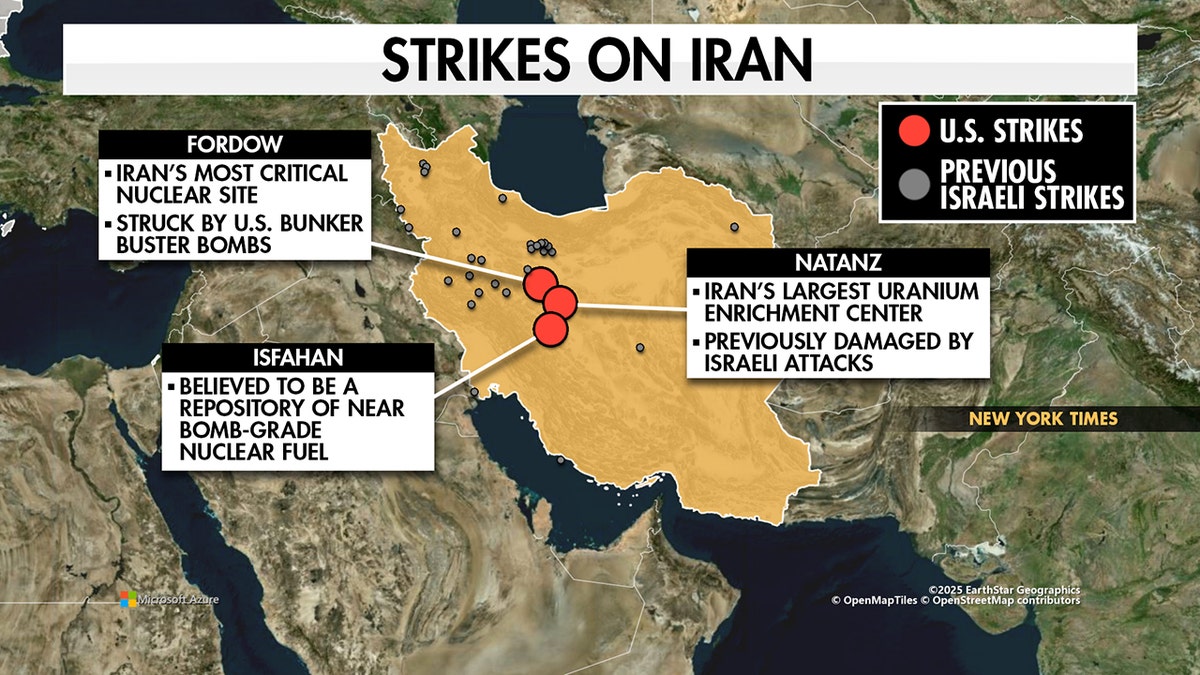
The headlines are screaming about a $150 barrel. Oil executives are dusting off their 1970s playbooks, whispering about "supply shocks" and "global instability" with a gleam in their eyes that suggests they can’t wait for the price hike. They want you to believe that a conflict involving Iran is a straightforward catalyst for an energy bull market.
They are wrong.
The consensus view—that Middle Eastern kinetic conflict equals a sustained, vertical moonshot for crude—is a relic of a dead era. If you are betting on a massive, long-term windfall from a flare-up in the Persian Gulf, you aren't just late; you're fundamentally misreading how the plumbing of global energy has changed since the shale revolution and the rise of the Beijing-Riyadh axis.
The Myth of the Hormuz Chokepoint
Every "expert" on cable news loves to point at the Strait of Hormuz. They tell you that if Iran closes the tap, 20% of the world’s oil vanishes and the global economy grinds to a halt.
It’s a terrifying story. It’s also a fairy tale.
Closing the Strait is a suicide pact, not a strategic win. Iran’s own economy is gasping for air; they need to sell their barrels—mostly to China—just to keep the lights on in Tehran. But more importantly, the world has spent the last decade building workarounds. Between the East-West Pipeline in Saudi Arabia and the Habshan–Fujairah pipeline in the UAE, millions of barrels per day can already bypass the Strait entirely.
The "chokepoint" is more like a sieve. While a temporary spike is guaranteed due to algorithmic trading and panic, the idea that the world loses its energy supply is a fundamental misunderstanding of modern infrastructure. We aren't in 1973. The geography of energy has been remapped, yet the talking heads are still using a paper map from the Cold War.
The China Factor: Why the Floor Won't Fall
The lazy consensus ignores the most important player in this theater: China.
In the old world, the U.S. was the primary customer and the primary policeman. Today, China is the largest importer of Iranian crude, often labeled as "Malaysian" or "Omani" to skirt sanctions. If a full-scale war breaks out, you aren't just fighting a regional power; you are disrupting the energy security of the world’s second-largest economy.
Do you think Beijing sits idly by while its manufacturing base starves?
The moment a conflict threatens to actually remove Iranian barrels from the market, China will lean on its strategic reserves and its influence over Russia and the Saudis to flood the market elsewhere. They have spent years diversifying away from a single point of failure. The irony is that a war intended to "cripple" Iran likely leads to a massive, coordinated release of global reserves that suppresses prices faster than any executive expects.
The Shale Ghost in the Machine
I’ve seen traders lose their shirts waiting for the "Big Spike" that never sustains. Why? Because American shale is a coiled spring.
At $80, shale is profitable. At $100, it’s a gold mine. At $120, every independent driller from West Texas to North Dakota starts completing wells at a pace that would make a Silicon Valley startup look slow. The "lag time" that executives talk about is shrinking. We have thousands of DUCs (Drilled but Uncompleted wells) just waiting for a price signal to come online.
The "scarcity" narrative is dead. We live in an era of managed abundance. Any war-induced spike creates its own cure by incentivizing a massive wave of North American production that eventually crashes the price. If you’re buying the peak of the war scare, you’re providing the liquidity for the smart money to exit.
The Misery of the "Risk Premium"
Let’s talk about the "Risk Premium"—that $10 to $15 tacked onto the price of crude just because people are nervous.
In a real war, the risk premium actually becomes a liability for long-term investors. High prices destroy demand. We saw it in 2008, and we saw it in 2022. When oil stays above $100 for too long, the global consumer snaps. They stop driving. They buy EVs. They find efficiencies.
A war with Iran doesn’t just "change the market"; it accelerates the destruction of the very product these executives are trying to sell. It forces the world to find alternatives faster. By the time the smoke clears, the market hasn't just "stabilized"—it has shrunk.
The Brutal Reality of Sanctions Overreach
The competitor article likely suggests that more sanctions on Iran will tighten the noose.
Here is the truth: Sanctions are the greatest catalyst for the "shadow fleet" the world has ever seen. There are hundreds of aging tankers roaming the oceans with their transponders off, moving Iranian and Russian oil with impunity. This isn't a theory; it's a multi-billion dollar parallel economy.
When you declare war or tighten sanctions, you don't remove the oil; you just move it into the dark. It still reaches the market. It still satisfies demand. It just doesn't show up on the official ledgers. You end up with a "supply shortage" on paper and a "glut" in reality. If you're trading based on official EIA or IEA data during a conflict, you're looking at a ghost.
Why the "Oil Executives" are Lying to You
Why do CEOs go on TV and talk about $150 oil? Because it helps their share price in the short term. It justifies their CAPEX. It makes their reserves look more valuable on the balance sheet.
They aren't analysts; they are salesmen.
They want you to believe that geopolitics is a simple input-output machine. War = High Prices = Profit. In reality, war in the 2020s is a messy, inflationary disaster that kills demand, invites government intervention (windfall taxes, anyone?), and triggers a supply response from competitors that can take a decade to unwind.
Stop Asking the Wrong Question
People always ask: "How high will oil go if there's a war?"
The better question is: "How fast will the world realize it doesn't need this much oil at these prices?"
The answer is: faster than you think.
If you want to play the energy market, stop staring at the Persian Gulf and start looking at the inventory levels in Cushing, Oklahoma, and the refining margins in Ningbo, China. Geopolitics is the noise; logistics and demand destruction are the signals.
A war with Iran won't trigger a new era of oil dominance. It will be the final, desperate gasp of a 20th-century energy model trying to stay relevant in a world that has already moved on. The price spike will be a trap, not a trend. Don't be the one holding the bag when the algorithms realize the "chokepoint" was always a myth.