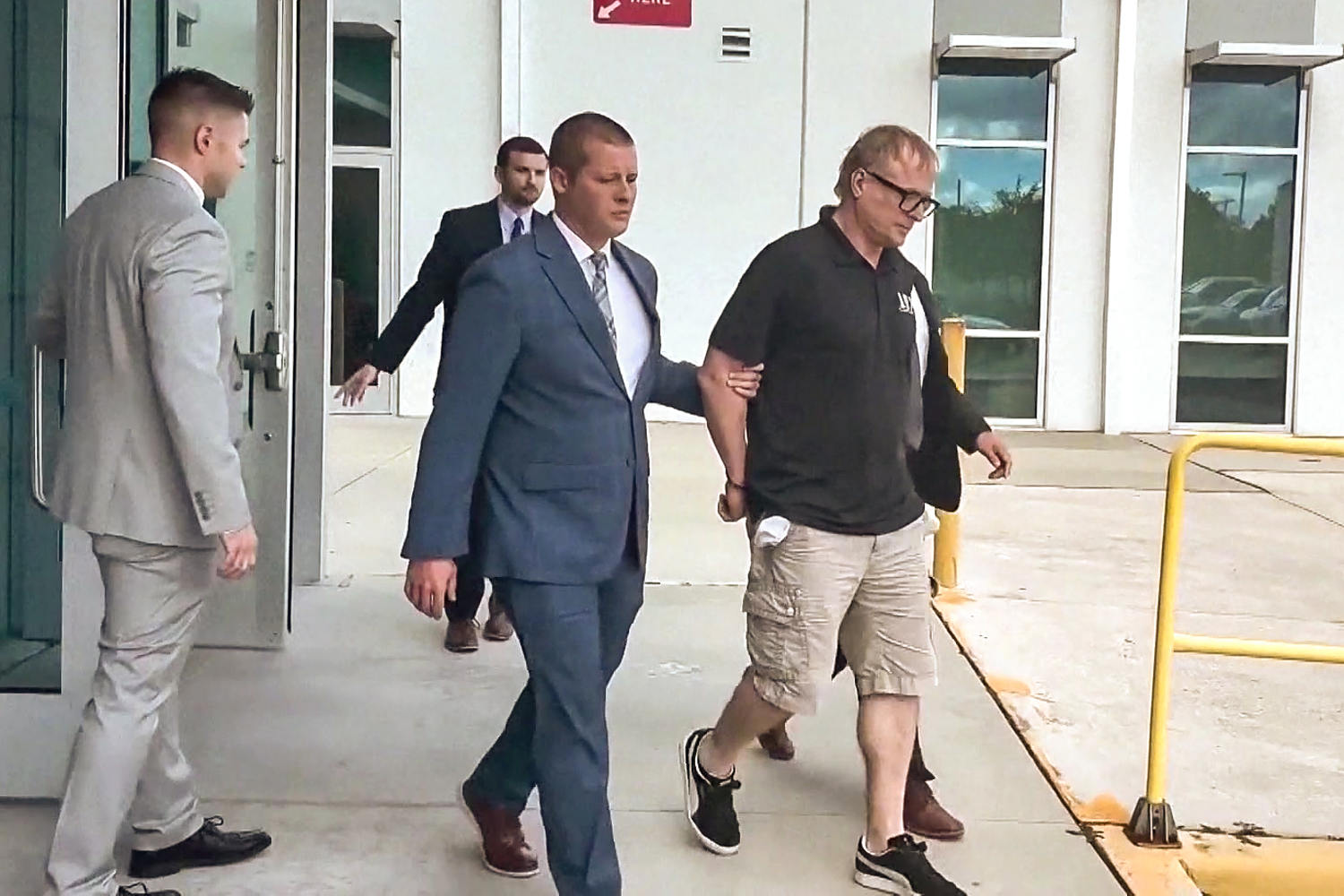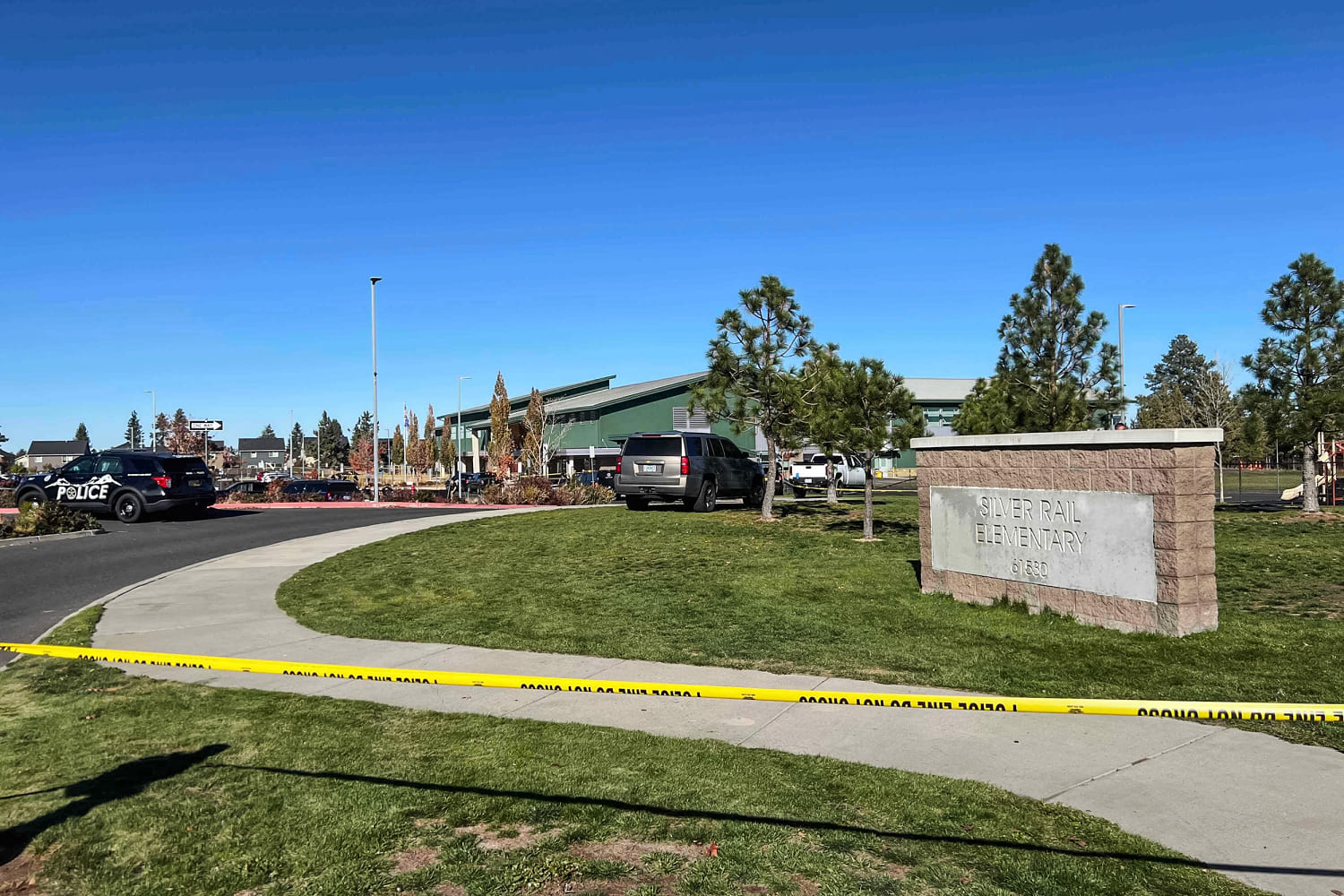
In the aftermath of the Oregon school shooting, police interviews revealed a critical detail that reframes the standard narrative of campus violence. The suspect told investigators he had been physically assaulted twice in the years leading up to the attack. While mainstream coverage treats this disclosure as a footnote or a routine defense tactic, criminal profilers and threat assessment specialists view it as the primary catalyst in a predictable cycle of unaddressed trauma and institutional failure.
When a perpetrator claims prior victimization, the public often recoils. People assume the shooter is manufacturing sympathy or deflecting blame for an inexcusable act. That reaction is understandable. Yet decades of behavioral threat assessment data from the United States Secret Service and the Federal Bureau of Investigation tell a much more uncomfortable story. The vast majority of school shooters do not snap out of nowhere. They are frequently individuals who experienced acute, unresolved personal grievances, often involving peer harassment, physical assault, or severe social humiliation, long before they ever picked up a firearm.
Understanding this dynamic does not excuse mass violence. Accountability remains absolute. However, ignoring the investigative link between prior physical assault and targeted school violence guarantees that schools and law enforcement will continue missing the warning signs that appear months or years before a tragedy occurs.
The Anatomy of a Grievance Collector
Law enforcement investigators use a specific term for individuals who nurse past injuries until they metastasize into violent fantasies. They call them injustice collectors.
Unlike impulsive criminals who lash out in the heat of an argument, an injustice collector catalogs every slight, every humiliation, and every physical confrontation. The suspect in the Oregon shooting told police about two distinct assaults in recent years. To an outsider, two isolated incidents might seem like unfortunate milestones of adolescence or young adulthood. Inside the mind of someone struggling with severe psychological distress, those two events become foundational proof that the world is hostile and that authorities will not protect them.
The mechanism is straightforward. First comes the physical trauma of the assault itself, which strips away a person's sense of safety and bodily autonomy. Second comes the institutional response—or the lack of one. When a student is assaulted and perceives that school administrators, parents, or local police failed to deliver justice, the grievance shifts. Anger is no longer directed solely at the individual bully or assailant. It expands to encompass the entire school community, the building, and the system that allowed the humiliation to stand uncorrected.
Consider a hypothetical example to see how this escalation works in practice. Imagine a high school sophomore who is cornered in a locker room and beaten by two older students. The school suspends the attackers for three days, and the local police decline to file criminal charges due to a lack of independent witnesses. To the administration, the file is closed. To the victim, the message is clear: nobody is coming to save you, and the rules do not apply to the people who hurt you. If that same student is assaulted a second time a year later, the psychological damage compounds. The victim begins researching how to equalize the power dynamic permanently.
Why Police Take Suspect Backstories Seriously
When detectives sit across from a suspect in an interrogation room following a shooting, every word is weighed against physical evidence, digital footprints, and witness testimony. Detectives do not take a suspect's claim of prior assault at face value. They verify it.
Investigators immediately pull school disciplinary records, juvenile court filings, emergency room intake logs, and local police dispatch histories. If the Oregon shooter was indeed assaulted twice in recent years, there is almost certainly a paper trail. Maybe a parent called a school resource officer. Maybe a nurse treated a bruised rib or a concussion. Or perhaps the assaults went entirely unreported, leaving traces only in text messages to friends, diary entries, or desperate posts on anonymous internet forums.
Why does verification matter so much to the prosecution and law enforcement? Because corroborating the assaults establishes motive and premeditation.
In criminal law, proving intent is everything. If investigators can show that the suspect suffered two specific assaults and subsequently began acquiring weapons, mapping hallways, or writing about retribution, the narrative of the crime locks into place. Paradoxically, the very evidence a defense attorney might use to argue for mitigating circumstances—showing that the client was a damaged victim of violence—often hands the prosecution the exact timeline they need to prove calculated, premeditated murder.
The Institutional Blind Spot in Threat Assessment
Modern schools spend millions of dollars on physical security. Metal detectors, reinforced glass, locked vestibules, and active shooter drills are now standard features of American education. Yet these measures only address the final five minutes of a crisis. They do nothing to interrupt the five-year trajectory that brings a shooter to the front door.
Behavioral threat assessment teams were designed to catch students on the pathway to violence before they acquire weapons. In theory, the model works brilliantly. Teachers, counselors, and law enforcement officers share information to identify students who are struggling and connect them with mental health resources. In practice, the system breaks down because schools treat disciplinary incidents and threat assessments as entirely separate universes.
When a student gets into a fight or reports an assault, the school handles it through the disciplinary code. Punishments are handed out, forms are filed, and the incident is archived. Rarely does a school's threat assessment team flag the victim of an assault for long-term psychological monitoring.
That is a massive operational failure. Behavioral researchers have repeatedly found that being the target of severe physical violence is a primary risk factor for future violent ideation. By focusing exclusively on disciplining the aggressor and ignoring the lingering trauma of the victim, schools leave a ticking clock unchecked in their own hallways.
The Fear of Retaliation and Silence
Another factor complicates this picture. Victims of physical assault in schools rarely report the full extent of what happened to them.
Admitting you were beaten up carries a heavy social penalty, particularly for young men. Reporting the assault to principals or police invites immediate retaliation from peers, branding the victim as a snitch. As a result, many assaults are minimized as "mutual combat" or "horseplay" in official reports, if they are documented at all.
When the Oregon suspect told police he had been assaulted twice, he may have been disclosing incidents that authorities previously dismissed as minor scuffles. This disconnect between how adults categorize teenage violence and how the victim experiences it creates a dangerous blind spot. A bruised ego combined with physical pain, left to fester without adult intervention, turns inward until it explodes outward.
The Thin Line Between Explanation and Excuse
Covering the backstory of a school shooter requires walking a razor's edge. Journalists, psychologists, and legal analysts constantly face backlash whenever they examine the trauma a perpetrator endured prior to an attack. Critics argue that highlighting a shooter's history of being bullied or assaulted humanizes a monster and shifts blame away from their personal moral choices.
That criticism misses the point of investigative analysis. Millions of students are bullied, assaulted, and mistreated every single year. Overwhelmingly, those victims grow up without ever harming another human being. They channel their pain into advocacy, art, athletics, or simply quiet resilience. Prior victimization does not force anyone to pull a trigger.
Choosing to bring a weapon onto a campus and open fire on innocent people is a deliberate, moral choice. Nothing in a suspect's past erases that culpability.
However, refusing to study the trigger events in a shooter's life out of fear of sounding sympathetic is professional negligence. Aviation investigators do not ignore metal fatigue on a wing simply because the pilot made a fatal error in the cockpit. They examine every failure point in the chain so the next plane stays in the air. In the same way, examining how two prior assaults contributed to the Oregon shooter's radicalization is essential to preventing the next attack.
What Happens When Systems Fail to Connect the Dots
The tragedy of the Oregon shooting lies in its predictability. Looking backward, the timeline almost always appears linear and obvious. Two assaults. A period of withdrawal. Escalating anger. Access to a weapon. An attack.
Looking forward, while those events are unfolding in real time, the signals are buried under the daily noise of a busy school district and an overburdened police department. A counselor sees a quiet kid falling behind in math. A school resource officer remembers breaking up a fight behind the bleachers two semesters ago. A parent notices their son spending too much time locked in his bedroom online. Nobody puts all three pieces on the same table at the same time.
True prevention requires tearing down the walls between school discipline, local law enforcement records, and community mental health services. When a student is assaulted—especially more than once—that event must trigger more than a suspension slip for the attacker. It requires a mandatory, sustained check-in with the victim to ensure that physical bruises do not harden into a permanent grievance.
Until schools and police treat unaddressed victim trauma with the same urgency they apply to active threats, investigators will continue sitting in interrogation rooms, listening to suspects explain how their path to mass violence began the day nobody stepped in to stop them from getting hurt.