The floor of the Brussels vault did not shake. There was no sound of shattering glass, no sudden sirens echoing through the stone corridors, no dramatic midnight raid. Yet, a shift occurred that rattled the foundations of international finance more violently than any physical breach ever could.
Billions of euros, sitting quietly in digital ledgers across Europe, changed hands.
To understand the weight of this moment, you have to look past the bureaucratic jargon of the European Union. You have to look at the cold, hard mechanics of how nations punish one another in the twenty-first century. For months, Western capitals held a staggering sum of Russian sovereign assets in a kind of financial purgatory—frozen, untouchable, yet generating interest simply by existing in the vast machinery of modern banking.
Moscow called it theft. Brussels called it justice delayed and delivered.
The reality is far more complicated, carrying an echo that will reverberate through every central bank from Beijing to Washington for decades to come.
The Architecture of Frozen Wealth
Imagine a safety deposit box containing a neighbor's life savings. You do not steal the box. You do not pick the lock or pocket the bills. Instead, you simply forbid them from touching it. But as the money sits there, it earns interest. Pennies turn into dollars, dollars turn into millions, and millions turn into billions.
That is what happened to roughly two hundred billion euros of Russian central bank reserves following the escalation of the conflict in Ukraine. Most of it sat locked inside Euroclear, a massive financial services company headquartered in Belgium.
For a long time, the money remained trapped in a legal vacuum. International law protects sovereign assets with fierce jealousy. To outright seize the principal—the actual billions deposited by Moscow—would risk turning the global financial system into the Wild West. If a European nation could simply confiscate a foreign state's core reserves, what stopped other nations from doing the same to European or American assets tomorrow? The entire architecture of global trade depends on a shared delusion of safety.
So, Europe found a loophole. They left the principal untouched in the vault. But the windfall profits generated by those billions? The interest earned on the interest?
That money was untethered.
And on a quiet day in Brussels, the European Union decided where those profits would go. Straight to the front lines of Ukraine.
Inside the Kremlin Response
When the announcement reached Moscow, the reaction was swift and scalding.
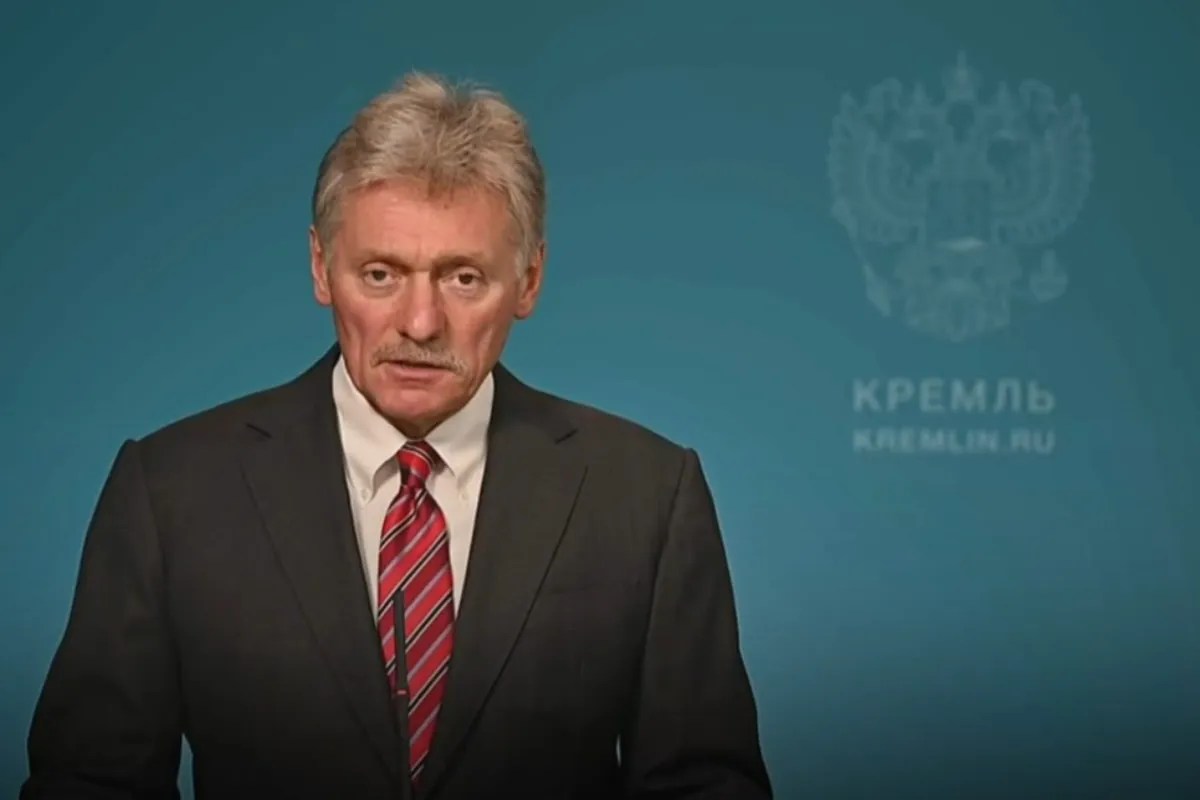
The Kremlin did not mince words. Officials labeled the move illegal, a blatant act of state-sponsored appropriation, a violation of the sacred rules governing sovereign immunity. To Moscow, the distinction between seizing the principal and seizing the profit was a semantic trick designed to provide diplomatic cover for an outright robbery.
Consider the perspective from the other side of the border. From the viewpoint of Russian leadership, foreign reserves were placed in Western institutions under the implicit contract of safe custody. By weaponizing the yield of those funds, Europe crossed a Rubicon.
Yet, the anger in Moscow is matched by a calculated resolve. For years, Russia has been systematically de-dollarizing its economy, moving away from Western financial rails, accumulating gold, and forging alternative trade corridors with nations that view Western sanctions with skepticism. This latest maneuver by the European Union will only accelerate that drift. The global financial system is fracturing into rival blocs, and every time a precedent like this is set, the cracks widen.
The Human Cost Behind the Ledger
Abstract numbers on a balance sheet often fail to register in the human imagination. Two hundred billion euros sounds like a weather report or a cosmic distance.
Down in the trenches of eastern Ukraine, however, that money translates into something terrifyingly tangible. It translates into reinforced concrete bunkers, medical supplies for wounded soldiers, and the quiet hum of generators keeping field hospitals alive during freezing winter nights.
When a nation is fighting for its physical survival, economics ceases to be a theoretical discipline. It becomes a matter of respiration.
I spoke with a logistics coordinator in Kyiv last year—let us call him Oleksandr—whose job was to source winter gear for territorial defense units. He did not care about the legal nuances of Euroclear or the arcane debates over sovereign immunity in international courts.
"Every time a financial decision is delayed in Brussels," he told me, his breath pluming in the unheated warehouse, "someone out there spends another night in a trench without proper thermal boots. The law is important. But survival comes first."
That is the emotional core of this entire ordeal. For Ukraine, these funds are not a windfall or a political bonus. They are an oxygen line. The interest generated by Russian assets is being funneled directly into military procurement and reconstruction efforts, helping to sustain a defense against an adversary vastly superior in raw numbers and industrial output.
The Uncharted Waters Ahead
What happens tomorrow?
That is the question keeping central bankers awake at night in Frankfurt, London, and New York. By utilizing the profits of frozen assets, the West has entered uncharted waters.
There are those who argue this was a moral imperative. When a sovereign nation launches an unprovoked invasion, the international order must impose costs that outweigh the gains. If the aggressor's own frozen capital can be harnessed to repair the very destruction it caused, proponents argue, it is not just legal; it is poetic justice.
Then there are the realists, whispering warnings from the shadows. They look at the global South, at emerging economic powerhouses watching this spectacle unfold. If foreign reserves can be immobilized and their yields redirected based on geopolitical alignment, what confidence do neutral nations have in storing their wealth in Western banks?
The precedent has been set. The vault door has been opened just a crack, enough to let the light in, and enough to let the profits out.
The money is moving now. It is flowing into munitions factories, into rebuilding shattered power grids, and into the hands of a people refusing to be erased. But as those billions cross the threshold from digital ledgers into the physical world of war and reconstruction, they leave behind a changed landscape.
The rules of global finance were written for a predictable world. That world is gone. We are living in the aftermath, watching the vault doors swing slowly inward, wondering who will be left standing when the final reckoning arrives.