Washington just sent a message to Baghdad that’s impossible to ignore. They didn't send a strongly worded letter or a diplomatic envoy. Instead, they grounded a cargo plane sitting on a tarmac, loaded with nearly $500 million in crisp US banknotes.
This wasn't a clerical error or a logistical hiccup. It was a calculated financial strike. The US Treasury Department and the Federal Reserve Bank of New York effectively cut off the physical supply of dollars to Iraq to squeeze the life out of Iran-backed militias. If you’re wondering why the US has this kind of power over another country's lunch money, it’s because of a decades-old arrangement where Iraq’s oil revenues are held in New York.
The $500 million standoff
This wasn't the first time a flight was delayed, but it’s certainly the most aggressive move we’ve seen since the regional conflict escalated in late February. The money in question represents the proceeds from Iraqi oil sales. Usually, these funds are flown into Baghdad on a regular schedule to keep the local economy liquid.
The US isn't just worried about the cash itself; they're worried about where it ends up. For years, the Treasury has suspected that physical dollars are being auctioned off and smuggled across the border into Iran or funneled to militias like Kata'ib Hezbollah. By blocking this specific $500 million shipment, the Trump administration is forcing the Iraqi government to choose between its security ties with Tehran and its financial lifeline with Washington.
Breaking down the leverage
Iraq is in a unique, and frankly terrifying, financial position. Since 2003, the country has been required to keep its oil dollars in an account at the Federal Reserve Bank of New York.
- Physical Cash: Iraq relies on these massive shipments of physical bills to satisfy the demand for dollars in its local markets.
- The Auction System: The Central Bank of Iraq (CBI) holds daily auctions where banks buy these dollars. This is often where the "leakage" to sanctioned entities happens.
- Security Programs: Along with the cash freeze, the US has paused funding for counter-terrorism initiatives and military training programs.
Why now and what it means for you
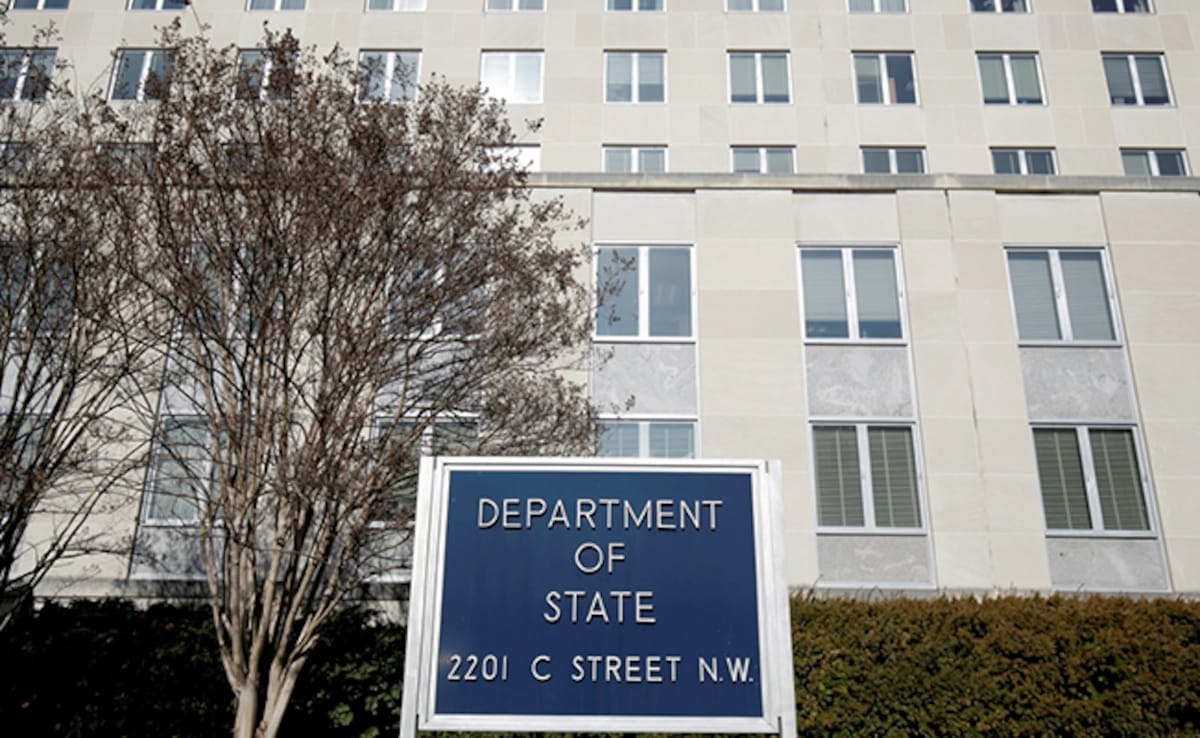
The timing isn't random. We’ve seen weeks of drone and rocket attacks on American facilities in Iraq and Erbil. On April 8, an ambush targeted US diplomats in Baghdad. Washington has clearly reached its limit. State Department spokesperson Tommy Pigott made it clear: the US expects the Iraqi government to dismantle these groups immediately.
If you're an investor or just someone watching the global economy, this is a massive red flag for regional stability. When the US uses the dollar as a weapon this overtly, it creates a ripple effect.
- Dinar Volatility: Expect the Iraqi Dinar to take a hit on the black market. If people can’t get physical dollars, the price of everything imported goes up.
- Bank Runs: Fear of a dollar shortage often leads to panic. Even though the CBI says they have enough reserves, the optics of a blocked plane can cause a run on local banks.
- Escalation: Iran isn't going to sit back and watch its influence be throttled by a Treasury memo. Expect the militia activity to get louder before it gets quieter.
The myth of the temporary freeze
Official reports call this a "temporary" suspension. Don't buy it. In my experience, "temporary" in diplomatic speak usually means "until you do exactly what we want." The US wants the Iraqi government to stop providing political and financial cover for these militias.
The Iraqi government, led by Prime Minister Mohammed Shia al-Sudani, is trapped. He needs the US dollars to keep the lights on, but he needs the support of the pro-Iran factions in parliament to stay in power. It’s a zero-sum game.
What happens if the cash stays grounded
If these shipments don't resume by May, we're looking at a full-blown liquidity crisis in Baghdad. The electronic transfers used for international trade are still moving—for now—but the physical cash is what keeps the man on the street happy.
If you have business interests in the Middle East or follow the oil markets, watch the "parallel market" rate for the Dinar. That’s your real-time scoreboard for how much this pressure is working. Also, keep an eye on the counter-terrorism funding. If those programs stay frozen, the vacuum left behind could give groups like ISIS a chance to breathe again.
You should prepare for increased volatility in energy prices if this spat leads to any disruptions in Iraqi oil production. Baghdad might be tempted to use oil as their own counter-leverage, though that would be a suicidal move given where their money is kept.
Basically, the US just reminded Iraq who actually owns the keys to the vault. It’s a high-stakes game of financial chicken, and the plane in the hangar is just the beginning.