Forty-five multi-million dollar aircraft vanishing into the desert sand isn't just an expensive accounting error. It is a structural crisis for American air power.
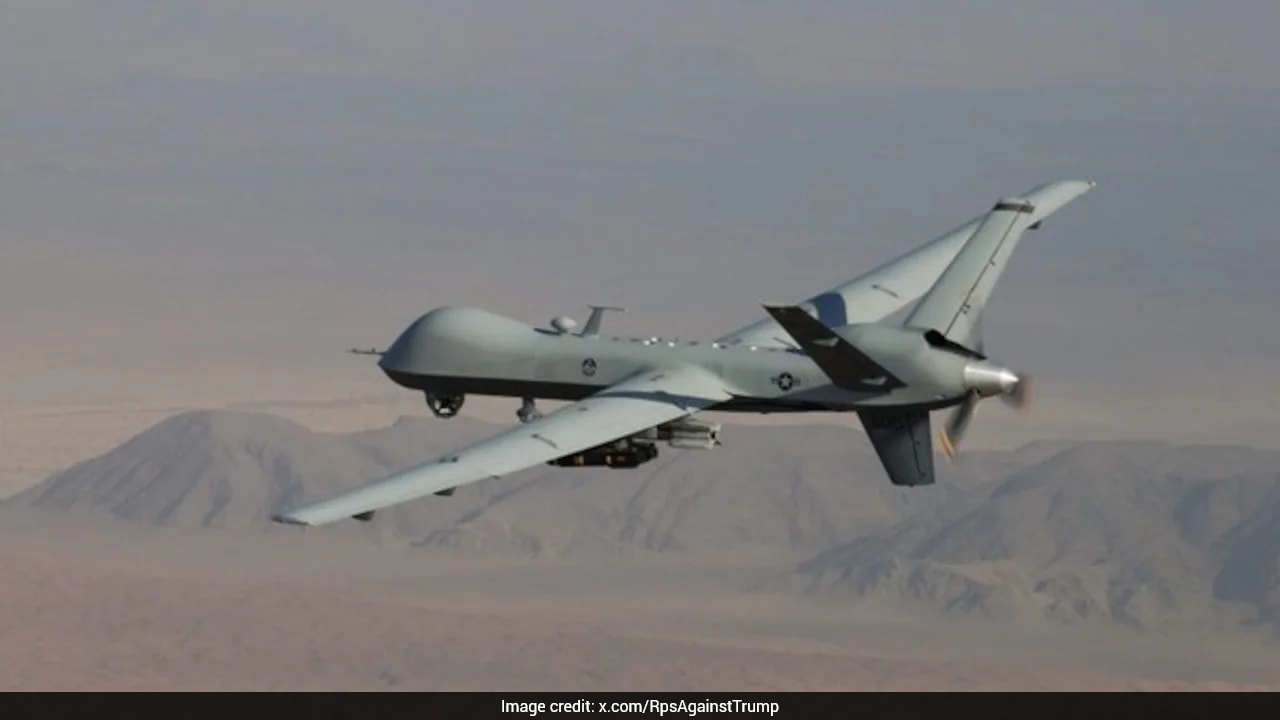
Recent disclosures based on internal Pentagon data reveal that the United States military has lost at least 45 MQ-9 Reaper drones during the ongoing conflict with Iran. That single figure accounts for roughly twenty-five percent of the entire active military fleet.
When a quarter of a premier tactical asset class evaporates in months rather than decades, you have to ask hard questions about how military planners evaluate risk. The Reaper was never built for high-threat contested airspace against a sophisticated adversary. Yet commanders deployed them heavily around the Strait of Hormuz, turning slow-flying, low-altitude surveillance tools into expensive sitting ducks.
The True Price Tag of Attrition
Each General Atomics-built Reaper carries a price tag swinging between $30 million and $50 million, depending on its specific sensor suites and onboard munitions. Doing the basic math reveals a hardware loss exceeding $1.3 billion for the weapon system alone.
That figure tells only part of the story.
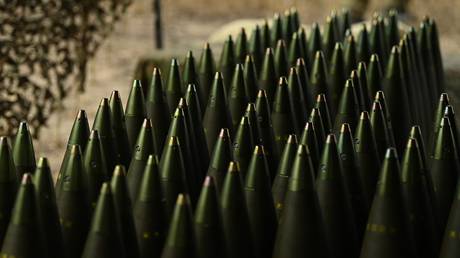
Military inventories don't exist in a vacuum. The grueling pace of operations in the Middle East has collided with years of heavy ordnance transfers to Ukraine, leaving supply chains stretched to a breaking point. In the opening month of the campaign against Tehran alone, American forces burned through more than 850 Tomahawk cruise missiles alongside over 1,000 Patriot and THAAD interceptors.
When defense manufacturing output crawls at a snail's pace—such as the Missile Defense Agency's maximum production rate of just 96 THAAD interceptors a year—every single loss hurts permanently. You cannot simply phone a factory and order a hundred new drones next Tuesday.
Vulnerability in the Strait of Hormuz
Why are so many aircraft dropping out of the sky?
The operational environment dictates the outcome. The Strait of Hormuz has evolved into a lethal choke point. Reapers fly at relatively low speeds and medium altitudes, making them prime targets for integrated air defenses and regional proxy networks operating in places like Iraq and Yemen.
Enemy fire isn't the sole culprit, either. Pentagon officials note that an unspecified portion of the 45-drone tally crashed due to severe communication link failures between operators stationed thousands of miles away and the aircraft themselves. Electronic warfare and signal jamming take a heavy toll when you rely on satellite handshakes to keep an aircraft airborne.
Before hostilities kicked off, the entire joint service inventory sat at roughly 185 Reapers—165 under Air Force control and 20 assigned to the Marine Corps. Marine units operating primarily in the Asia-Pacific theater reported zero losses, meaning the Air Force absorbed the entirety of the Middle Eastern attrition. By May, senior Air Force officers admitted to lawmakers that active inventory had already cratered to about 135 airframes.
Shifting Tactics and the Swarm Future
The Pentagon is already attempting to pivot away from the problem. The Reaper is a legacy platform, conceived during an era of counterinsurgency where absolute air supremacy was taken for granted. Military leadership envisions a future dominated by cheaper, expendable surveillance drones capable of operating in autonomous swarms.
Transitioning doctrines takes time. Until cheaper alternatives scale up factories and reach frontline units, commanders must fundamentally alter how they protect existing assets. They are forced to hold defensive munitions in reserve and weigh every flight path against the risk of permanent depletion.
Congress is currently reviewing massive supplemental funding packages exceeding tens of billions of dollars to plug the financial gaps. Throwing money at the problem won't instantly regenerate complex defense hardware. Factory floors require specialized components, rare materials, and years of steady assembly.
The heavy bill for modern high-tech warfare is finally coming due, and the balance sheet looks grim.