Housing costs are crushing everyday people while extreme weather keeps testing city infrastructure. Politicians usually keep these two crises in separate policy boxes. They treat rent as an economic spreadsheet and climate change as an environmental checklist. That separation stopped working a long time ago.
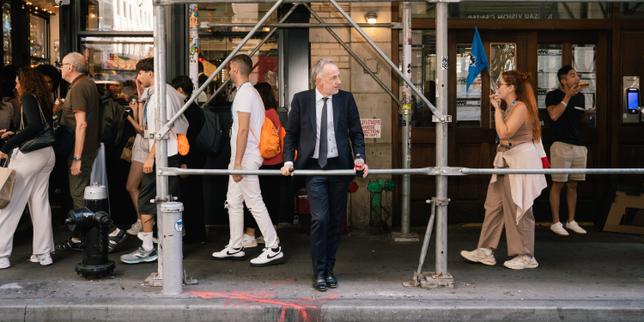
When New York State Assemblymember Zohran Mamdani and Paris politician Emmanuel Grégoire stepped onto the same stage recently, they weren't just posing for a photo op. They were connecting two dots that urban leaders usually ignore. Affordable housing and climate resilience are the exact same fight. If your apartment is energy-inefficient, drafty, and poorly insulated, your utility bill spikes every time a heatwave hits. If your neighborhood lacks green spaces and modern HVAC retrofits, rising temperatures turn your home into an oven. If you enjoyed this piece, you should look at: this related article.
Let's look at why this cross-border alliance matters right now and what most analysts miss about how housing density intersects with green transitions.
The Real Cost of Living in an Uninsulated City
Most housing debates get stuck in a loop about supply versus rent control. Those are valid arguments, but they miss the physical reality of the buildings themselves. Older apartment stock bleeds energy. Tenants pay exorbitant utility costs to heat drafty rooms in the winter and cool brick ovens in the summer. For another look on this story, check out the recent update from The Washington Post.
When Zohran Mamdani talks about housing justice in New York, he points directly at tenant stability. But tenant stability requires structural upgrades. You cannot separate the right to an affordable roof from the right to a home that won't overheat during a July heat spike.
Emmanuel Grégoire brings a different lens from Paris, where municipal authorities have spent years retrofitting massive blocks of aging urban housing to meet strict European energy efficiency targets. Paris has pushed aggressively for pedestrian-friendly zones, building retrofits, and strict emissions caps on real estate. Bringing these strategies into conversation with New York progressive politics highlights a shared frustration. Local governments move too slowly while working-class renters absorb the financial blow of climate failure.
Old buildings leak money. They also leak carbon. Fixing them requires massive public investment, not just tax breaks for luxury developers who promise LEED certifications they rarely deliver.
Why Climate Policy Fails Without Housing Justice
If you price working-class residents out of the urban core, you defeat your own climate goals. People pushed to the outer rings face longer commutes, higher dependence on cars, and greater exposure to sprawl. High density is inherently more sustainable than sprawling suburban expansion, provided the high-density housing is actually livable and green.
Urban greening initiatives often trigger green gentrification. A neighborhood gets trees, bike lanes, and a revamped park, and suddenly rents double. Low-income tenants get displaced. That is not climate progress. That is displacement dressed up in eco-friendly branding.
Mamdani and Grégoire's alignment points toward a different model. Public investment must anchor green transitions. When the state funds energy-efficient retrofits, those improvements need to protect rent-stabilized tenants instead of serving as an excuse for landlords to hike rents.
What Actually Needs to Happen Next
Real estate lobbies push the narrative that environmental mandates make housing too expensive to build. That is a false choice designed to protect profit margins. Modernizing apartment buildings with heat pumps, proper insulation, and solar panels lowers operating costs over the long term.
Cities need aggressive public backing for social housing that meets top-tier climate standards. Relying entirely on private developers to voluntarily build green and affordable units has failed. The market follows profit, not survival.
If you want to fix urban housing, stop treating climate policy as a separate budget line. Insulate the tenements. Fund public retrofits. Keep rents stable while emissions drop. That is the only math that works.