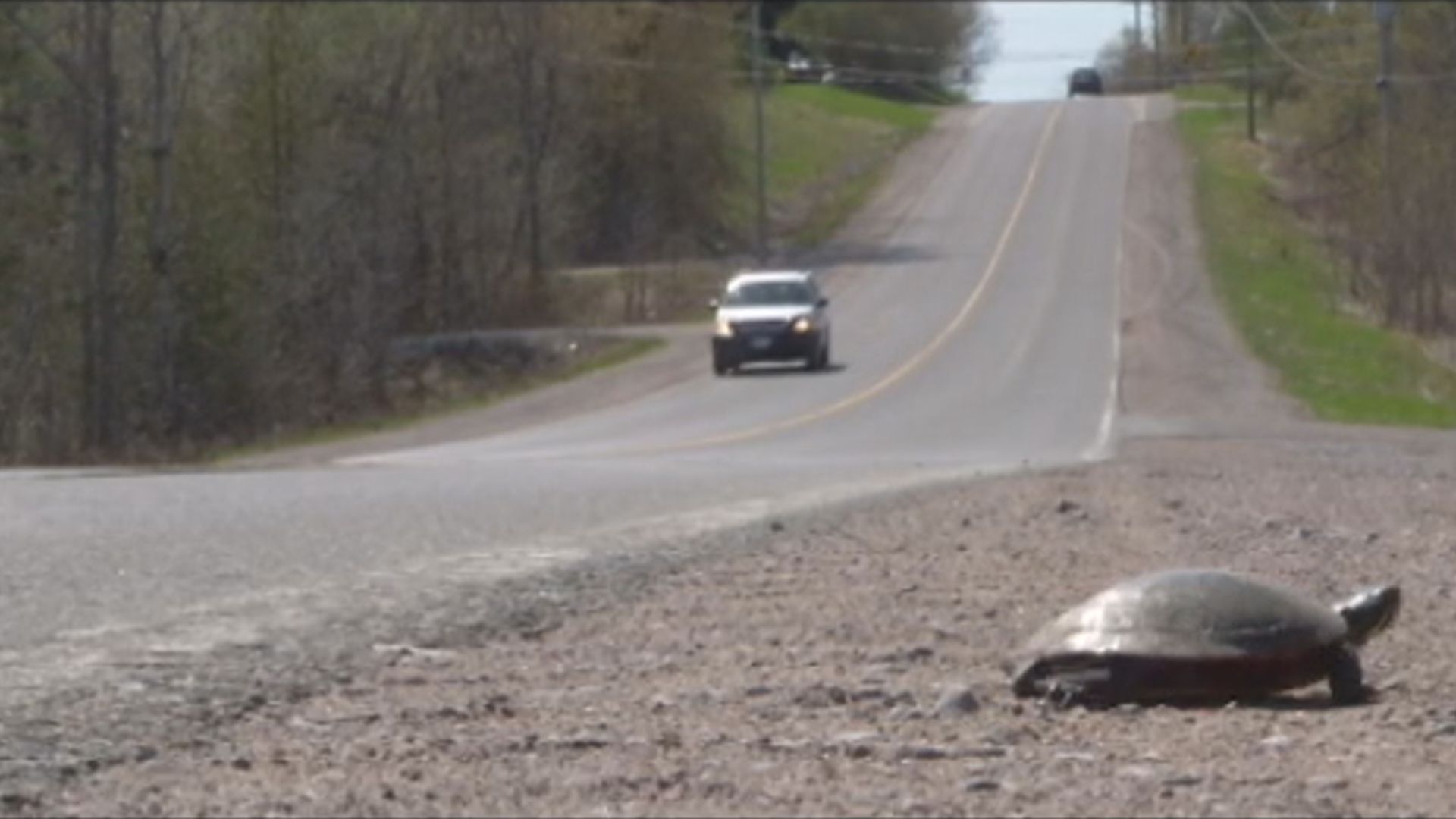
Urban adaptation by native wildlife creates a systemic conflict between seasonal reproductive biological imperatives and metropolitan infrastructure. When avian, mammalian, and reptilian species utilize human-dominated landscapes for nesting, they alter their natural survival calculus. The traditional environmental variables that dictate nesting success—such as canopy density, predator distance, and foraging proximity—are replaced by artificial constraints: structural engineering schedules, vehicular traffic volume, and direct human interference. Managing this interface requires moving past passive observation toward an operational, data-driven framework that quantifies biological vulnerabilities and optimizes conservation resource allocation.
Understanding this dynamic requires analyzing the nesting ecosystem through three distinct operational vectors: spatial selection constraints, resource availability paradoxes, and anthropogenic mortality vectors. By mapping these vectors, municipal planners, environmental consultants, and conservationists can transition from reactive mitigation to predictive population management.
The Tri-Variable Framework of Urban Nest Site Selection
Wildlife nesting in proximity to human infrastructure operates under a highly constrained optimization model. Species do not choose urban sites due to a preference for artificial materials; they select them because human structures frequently mimic natural ecological niches while offering a perceived reduction in apex predation.
The selection process relies on three distinct variables:
- Structural Analogy: Avian species like chimney swifts (Chaetura pelagica) or peregrine falcons (Falco peregrinus) treat vertical masonry, HVAC exhaust ports, and bridge substructures as structural stand-ins for hollow trees and cliff faces.
- Microclimate Stabilization: Built environments alter local thermodynamic profiles. Concrete, asphalt, and brick act as thermal sinks, absorbing solar radiation during diurnal cycles and radiating heat during nocturnal phases. For ectothermic species or altricial birds requiring strict incubation parameters, this structural heat signature lowers the metabolic cost of thermoregulation.
- Predatory Exclusion Zones: Urban cores frequently exhibit lower densities of large, specialized apex predators (such as large raptors or forest carnivores). Wildlife exploits these zones, accepting the secondary risks of human proximity to escape primary predatory pressures.
This selection model introduces a severe ecological trap. The cues that attract animals to an urban nesting site—such as structural stability or warmth—are decoupled from the actual quality of the environment. A concrete ledge may provide an ideal nesting platform, but it simultaneously exposes offspring to intense reflective heat stress, lack of overhead cover, and high-altitude falls during initial fledgling phases.
Quantifying the Anthropogenic Cost Function
The primary failure of standard public wildlife notices is the omission of causal mechanics. To systematically protect nesting wildlife, we must isolate the specific human actions that intersect with critical reproductive timelines. The ecological cost function of urban nesting is determined by three major anthropogenic vectors.
Mechanical Disturbance and Habitat Destruction
The seasonal alignment of wildlife reproductive cycles directly overlaps with peak municipal infrastructure maintenance, residential landscaping, and commercial construction. Tree pruning, roofing replacements, and highway expansions during spring and summer quarters cause immediate structural failures for active nests. For arboreal mammals like the eastern gray squirrel (Sciurus carolinensis) or various passerine birds, the removal of a single mature tree during nesting season destroys entire cohorts of unviable or highly dependent young. The economic cost of project delays caused by late-stage wildlife discovery highlights the need for standardized pre-construction ecological scanning protocols.
Chemical and Sensory Pollution
Urban nests are subject to chronic chemical exposure and sensory overload. Excess artificial light at night disrupts the circadian rhythms and hormonal regulation of nesting adults, frequently leading to premature foraging or nest abandonment. Acoustic pollution from transport corridors masks avian communication, preventing adults from hearing food solicitation calls from chicks or warning signals regarding approaching threats. Furthermore, the localized use of rodenticides and insecticides creates a bioaccumulation pathway, poisoning nesting raptors and insectivorous birds at the precise moment their metabolic demands peak.
Companion Animal Predation
Domesticated cats (Felis catus) and dogs (Canis lupus familiaris) represent an introduced, subsidized predatory pressure that urban wildlife populations cannot naturally balance. Unlike wild predators, whose populations decline when prey density drops, companion animal populations remain stable or grow regardless of wildlife availability due to human provisioning. Free-roaming domestic cats are the primary driver of non-game avian and small mammalian mortality in urban zones, targeting vulnerable fledglings and ground-nesting species during critical developmental windows.
The Operational Mitigation Blueprint
Mitigating these risks requires a structured, multi-tiered approach that balances regulatory compliance, infrastructure design, and public mobilization. Relying entirely on volunteer monitoring creates gaps in coverage and leaves critical data uncollected.
[Phase 1: Predictive Mapping] ---> [Phase 2: Infrastructure Hardening] ---> [Phase 3: Managed Public Sourcing]
Phase 1: Predictive Spatial Mapping and Temporal Restrictions
Municipalities and developers must integrate predictive wildlife modeling into geographic information systems (GIS). By overlaying historical nesting data, canopy cover density, and structural age profiles, environmental analysts can generate a predictive risk matrix for upcoming construction zones.
Project lifecycles must enforce strict temporal blackouts aligned with localized breeding windows. For instance, in regions governed by the Migratory Bird Treaty Act, high-risk maintenance activities on bridges, facades, and old-growth trees should be legally restricted to non-nesting autumn and winter blocks. When projects must proceed during active seasons, third-party ecological audits must be mandatory prior to breaking ground.
Phase 2: Structural Infrastructure Hardening
Long-term mitigation relies on designing out the vulnerability. Modern architectural standards should incorporate wildlife exclusion mechanisms into commercial building facades, HVAC air intakes, and highway overpasses.
- Exclusion Netting and Mesh: Installing heavy-gauge stainless steel mesh over ventilation ports and under-eave spaces prevents cavity-nesting mammals and birds from entering hazardous industrial zones.
- Alternative Nesting Architecture: Where infrastructure naturally attracts high-priority species, engineers should construct dedicated, isolated nesting alternatives. Installing peregrine falcon boxes on bridge towers away from traffic decks or building standalone chimney swift towers preserves regional biodiversity without compromising structural maintenance schedules.
- Substrate Modification: Applying non-toxic, visual or tactile deterrents to structural ledges prevents initial site selection by target species, directing them toward safer, adjacent green infrastructure.
Phase 3: Managed Public Data Sourcing
Public engagement should be repositioned as an auxiliary data gathering network rather than a standalone solution. Standard community observation programs yield unstructured, highly variable data that limits analytical utility. Transforming the public into a reliable source of field data requires standardizing the reporting mechanism.
Municipalities should deploy structured reporting interfaces that require users to input specific parameters: species identification, exact geo-coordinates, structural substrate type, and observed behavioral stage (e.g., nest building, incubation, food transport, or fledging). This converts casual sightings into actionable data points, allowing conservation teams to deploy targeted field interventions and optimize the deployment of limited wildlife rehabilitation resources.
Systemic Constraints and Policy Boundaries
Implementing an urban wildlife mitigation strategy reveals structural limitations within current legal and financial systems. The foremost bottleneck is the fragmented nature of jurisdictional oversight. Wildlife management typically falls under state or federal authority, whereas infrastructure development and zoning laws are dictated at the municipal or county level. This division prevents the seamless enforcement of habitat protections on private land, where the vast majority of urban nesting conflicts occur.
A secondary constraint is the lack of baseline population data for urban-adapted species. Because conservation funding heavily favors endangered or threatened wilderness species, common urban wildlife populations are rarely monitored systematically until a population crash or an acute disease outbreak occurs. This data scarcity forces wildlife managers to rely on reactive, short-term interventions rather than long-term, predictive population modeling.
The final operational bottleneck lies in the financial underwriting of mitigation infrastructure. retrofitting existing commercial buildings with wildlife exclusion systems or installing alternative nesting sites requires capital allocation that offers no direct financial return for private property owners. Without tax incentives, zoning variances, or explicit regulatory penalties, compliance rates for infrastructure hardening will remain low outside of high-profile public works projects.
The Strategic Matrix for Infrastructure and Wildlife Coexistence
To effectively deploy resources, stakeholders must categorize urban environments based on infrastructure density and biological value. The following classification matrix defines operational priorities across different urban zones.
- Industrial Cores (High Infrastructure, Low Biological Value): Focus exclusively on structural exclusion and substrate modification. The primary objective is preventing wildlife from establishing nests in high-risk zones like factories, power substations, and shipping terminals.
- Transit Corridors (High Infrastructure, Medium Biological Value): Implement strict temporal blackouts and seasonal maintenance restrictions. Bridges, overpasses, and rail lines require pre-construction ecological audits to prevent mass mortality events during regional migrations and nesting periods.
- Suburban Interfaces (Medium Infrastructure, High Biological Value): Deploy managed public data sourcing and enforce companion animal containment policies. These zones act as the primary reproductive engines for urban-adapted species and require extensive green infrastructure support.
- Urban Green Spaces (Low Infrastructure, High Biological Value): Prioritize habitat maximization and predator exclusion zones. These areas must be managed as ecological sanctuaries, utilizing native flora and structural nesting aids to offset the deficiencies of the surrounding built environment.
Predictive Forecast for Urban Wildlife Management
Over the next decade, the intersection of urban expansion and climate volatility will force a shift in wildlife management priorities. As natural habitats continue to fragment, built environments will increasingly serve as primary reproductive refuges for a wider array of generalist and highly adaptable species. This shift will alter species compositions within metropolitan areas, favoring wildlife capable of exploiting artificial microclimates and human-derived food sources while displacing specialists that require uninterrupted wilderness blocks.
Simultaneously, municipal management will transition away from retrospective reporting toward automated, sensor-driven monitoring networks. Integrating acoustic sensors into smart city infrastructure will allow real-time detection of avian distress signals and nesting activity along major transit corridors. Computer vision systems mounted on public utility vehicles will identify structural nesting anomalies on power lines and facades before maintenance crews are dispatched.
The integration of automated detection systems, standardized public reporting, and predictive GIS mapping will replace reactive mitigation with precise, algorithmic habitat management, turning urban infrastructure from an ecological dead end into a calculated component of regional conservation strategy.