Every time a committee in Paris drops a UNESCO stamp of approval on a sacred site in Southeast Asia, tourism boards pop champagne. They project double-digit visitor spikes. They forecast economic miracles for local merchants. They print glossy brochures about preserving history for future generations.
It is a masterclass in economic self-harm.
When a Thai monastery or historic sacred zone gets designated as a World Heritage site, the traditional ecosystem does not flourish. It suffocates. I have watched heritage management plans kill the very authenticity they were supposed to protect. Bureaucrats turn living, breathing spaces of worship into open-air museums governed by ticket turnstiles and tour bus schedules.
The lazy consensus says recognition brings preservation. The brutal reality says recognition brings crowds, commercialization, and the rapid degradation of sacred architecture under the weight of ten million smartphone cameras.
The Economics of Destruction
Let us look at how the machinery actually operates.
A heritage designation triggers a predictable sequence of events. First, the media cycle hypes the newly minted status. Second, low-cost carriers flood the nearest regional airport with discount seat sales. Third, massive influxes of foot traffic arrive, driven not by reverence or historical curiosity, but by bucket-list checklist mentality.
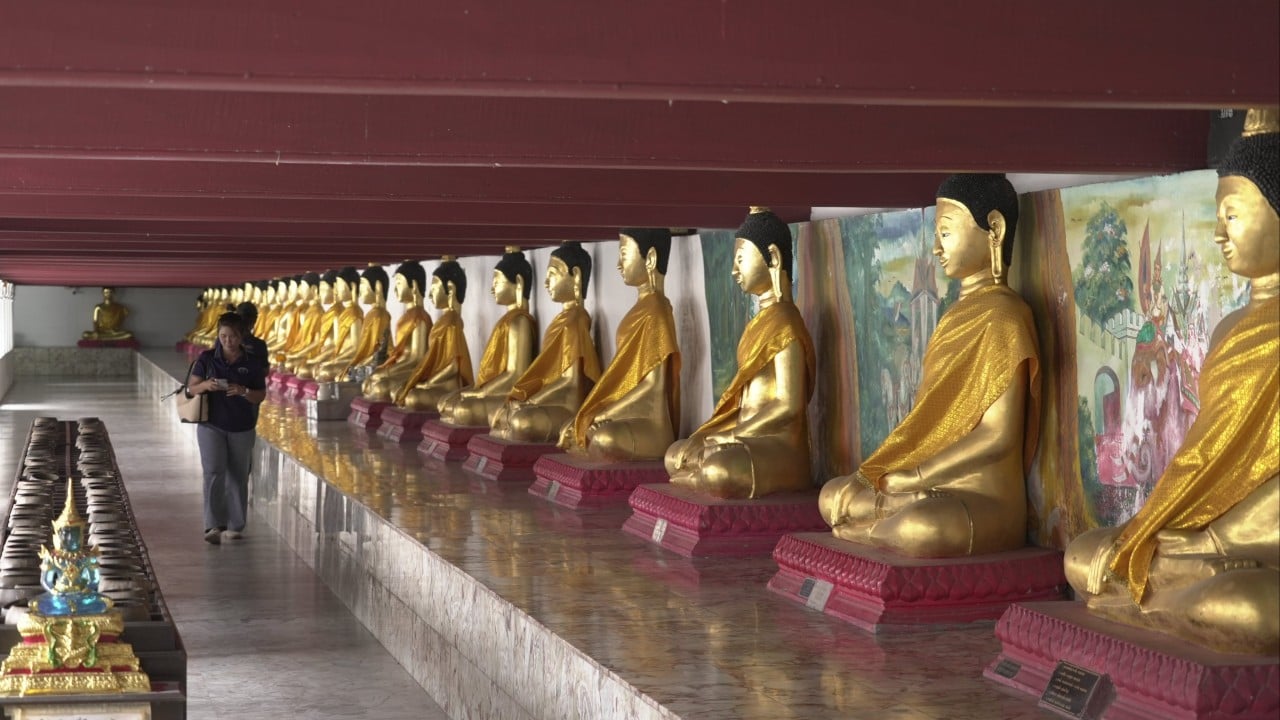
Monasteries were never engineered to withstand industrial-scale tourism. Their structural integrity depends on a quiet equilibrium. Ancient teak wood, porous laterite stone, and centuries-old stucco reliefs cannot handle the ambient humidity generated by thousands of sweating tourists breathing inside enclosed prayer halls every single hour.
Furthermore, the economic windfall rarely stays with the local community. The financial beneficiaries are multinational hotel chains, tour operators based in capital cities, and souvenir conglomerates that mass-produce plastic trinkets resembling sacred artifacts. The local monks do not get a cut of the gate receipts. They just get louder crowds, blocked entryways during morning alms rounds, and the burden of cleaning up trash left behind by visitors who treat a holy sanctuary like a theme park.
The Myth of Sustainable Heritage Management
UNESCO loves the word sustainability. It sounds nice in a PDF report. On the ground, it translates to velvet ropes, strict zoning laws that penalize residents who have lived near the temple for generations, and armed guards preventing people from interacting naturally with the space.
Imagine a scenario where a local community can no longer host traditional festivals on temple grounds because international conservation guidelines mandate that historical pavement must remain pristine and unburdened by temporary market stalls. The heritage site becomes a sterile exhibit. The spirit drains out of the stone.
We saw this playbook run in Ayutthaya and Sukhothai. The zones transformed from living cultural epicenters into dusty archaeological parks where tourists shuffle between ruined prangs, completely detached from the religious traditions that built those structures in the first place. Adding more monasteries to this roster does not save history. It industrializes it.
What Protecting Sacred Sites Actually Requires
If you genuinely want to protect Thai architectural heritage, stop inviting the world to trample it. True preservation requires friction. It requires difficult travel logistics, restricted access hours, and an absolute refusal to monetize spiritual infrastructure for gross domestic product growth.
Instead, the tourism ministry pushes for more marketing. They measure success by headcount rather than structural longevity. This is a short-sighted trap. A heritage site forced to cater to mass tourism inevitably degrades faster, requiring heavier restoration work funded by international grants that come with political strings attached.
Stop celebrating the gold stars handed out by international committees based in Europe. A monastery belongs to the tradition that sustains it, not the global tourism market that consumes it.
Burn the brochures. Turn away the buses. Let the sacred spaces breathe.