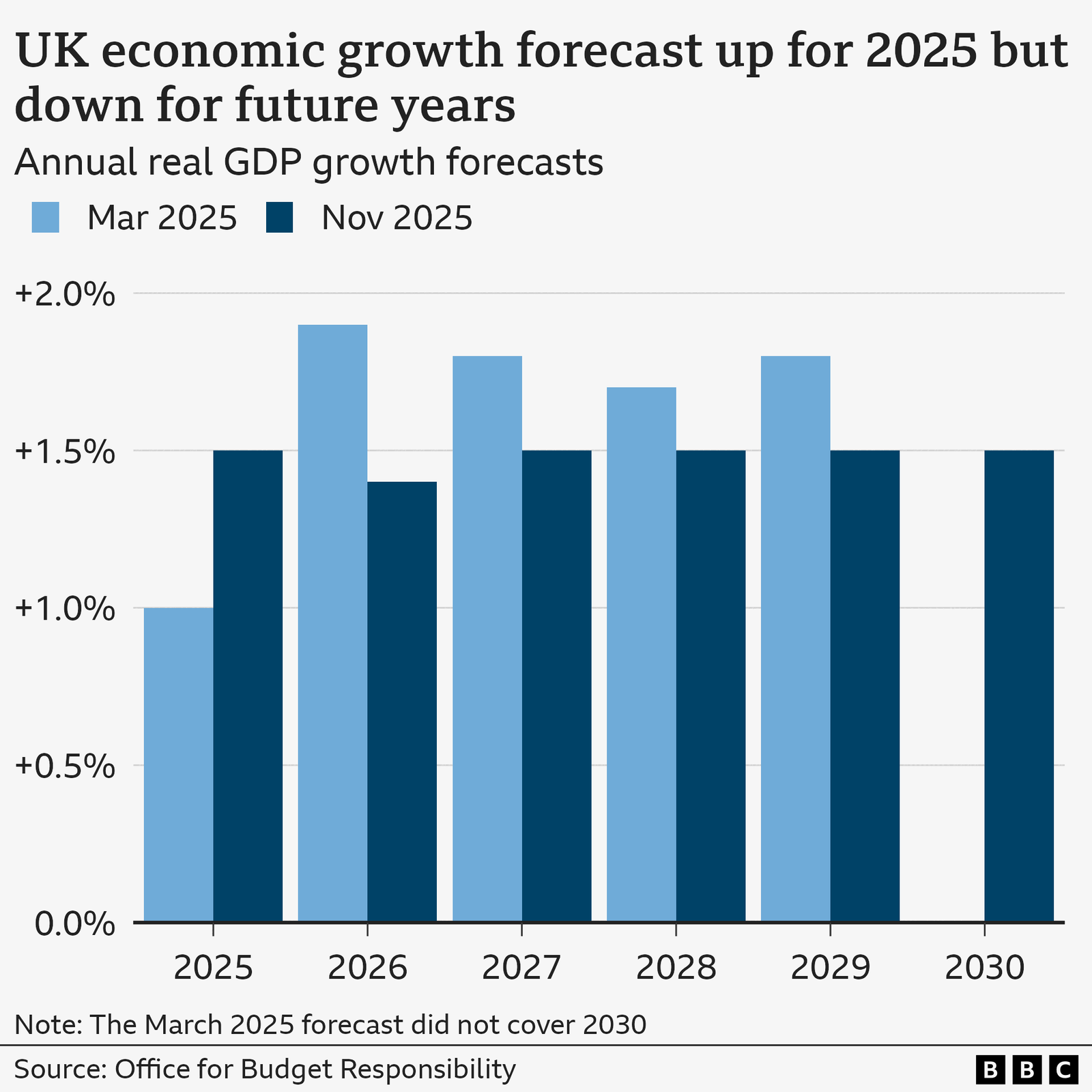
The consensus is currently patting itself on the back. The latest UK GDP figures dropped, showing a 0.6% expansion in the first quarter of 2024, and the mainstream financial press immediately pivoted to a singular, lazy narrative: "The recession is over, the recovery is strong, and the Bank of England can afford to sit on its hands."
They are wrong. Dead wrong.
This "strong" growth is a statistical mirage. If the Monetary Policy Committee (MPC) treats these numbers as a green light to maintain restrictive rates, they aren't being "cautious." They are being negligent. While the headline figure looks like a victory lap, a look under the hood reveals a fragile economy being choked by the very interest rates the "experts" claim we don't need to cut.
The Perils of Base Effect Worship
Most analysts are falling for the oldest trick in the book: the base effect. After two quarters of technical recession—sluggish as they were—any return to activity looks like a vertical climb. Growth of 0.6% isn't an explosion of productivity; it’s a gasp of air after being underwater.
When you look at GDP per capita, the picture turns grim. The UK economy is growing because the population is growing. Individual prosperity is stagnant. We are producing more total "stuff" only because there are more people to produce it, not because our industries are becoming more efficient or our workers more wealthy. By ignoring the per-capita reality, the Bank of England is effectively measuring the size of the pile rather than the health of the soil.
The Lag Effect Is a Meat Grinder
The biggest mistake the "no urgency" crowd makes is ignoring the transmission lag of monetary policy. It takes 18 to 24 months for a rate hike to fully permeate the economy. We are only just now feeling the cumulative weight of the hikes from 2022 and early 2023.
I’ve watched credit committees at major lenders tighten their belts over the last six months. They aren't looking at the 0.6% growth from last quarter. They are looking at the looming wall of corporate debt refinancing scheduled for the back half of this year. Thousands of UK businesses are about to roll off low-interest fixed terms into a 5.25% reality.
If the Bank of England waits for the "perfect" moment to cut, they will be reacting to a crisis that has already started. High rates are a medicine that, if taken for too long, becomes the poison.
Services Are Not a Shield
The argument often goes that the UK’s dominant service sector is resilient. "People are still spending on experiences!" the pundits cry.
This is a fundamental misunderstanding of discretionary versus non-discretionary service spending. We are seeing a "revenge spending" hangover. Household savings built up during the pandemic are finally hitting zero. At the same time, the "rent trap" is accelerating. With mortgages up and landlords passing those costs down, the disposable income that fuels the service sector is being redirected into interest payments.
- Mortgage renewals: Roughly 1.5 million households face massive payment jumps this year.
- Corporate insolvencies: These are already at heights not seen since the aftermath of the 2008 financial crisis.
- Real wages: While technically rising, they are barely clawing back the ground lost to the double-digit inflation of 2023.
The Inflation Boogeyman is Dead
The MPC is terrified of a second wave of inflation. They point to "sticky" service inflation as a reason to keep rates high. But service inflation in the UK is largely driven by two things: wages and energy inputs. Energy prices have cratered compared to their 2022 peaks. Wage growth is cooling as the labor market finally begins to loosen.
By focusing on lagging indicators, the Bank is fighting the last war. They are so afraid of being the ones who let inflation out of the bag again that they are willing to sacrifice the structural integrity of the economy to prove their "toughness." This isn't sound economics; it’s reputation management.
Real-World Consequences of Deliberate Inertia
I’ve spent twenty years watching how capital flows—or stops flowing. High interest rates are currently acting as a massive tax on innovation. When the "risk-free" rate is over 5%, why would a VC fund a risky UK tech startup? Why would a manufacturer invest in a new facility with a 10-year ROI?
They don't. They sit on cash or buy gilts.
The UK is suffering from a massive investment drought. By keeping rates at these levels, the Bank is actively discouraging the very private investment the government claims is the key to long-term growth. We are trading tomorrow’s productivity for today’s 2% inflation target. It is a losing trade.
The Consensus Is Always the Last to Know
The "People Also Ask" sections of the web are filled with queries like "When will interest rates go down?" and "Is the UK economy safe?"
The honest answer? The economy is in a state of managed decline, and the safety the BoE provides is the safety of a graveyard. They are waiting for "clear evidence" of a slowdown. In economics, once the evidence is "clear," the damage is irreversible.
We are currently in a window where a preemptive cut would signal confidence and provide a much-needed pressure valve for the private sector. Instead, the BoE is opting for the "wait and see" approach that has defined every British economic failure of the last two decades.
The Math of Malpractice
Let’s look at the Taylor Rule, a staple of monetary policy logic.
$$r = p + 0.5y + 0.5(p - 2) + 2$$
Where $r$ is the nominal fed funds rate, $p$ is the rate of inflation, and $y$ is the percent deviation of real GDP from a target.
If we plug in the UK’s cooling inflation and the massive output gap created by years of underinvestment, the "neutral" rate is nowhere near 5.25%. It’s likely closer to 3.5%. Every day the Bank stays at the current level, they are effectively tightening the noose on an economy that is already gasping.
Stop Celebrating the 0.6%
A 0.6% growth rate is not a sign of health. It is a sign that we have stopped shrinking for a moment. To suggest this removes the "urgency" for rate cuts is to misunderstand the fundamental mechanics of the UK’s debt-heavy economy.
The Bank of England isn't being "patient." They are being paralyzed by the fear of their own previous mistakes. They missed the boat on the way up, staying at 0.1% for far too long while inflation took hold. Now, they are repeating the error in reverse—staying at the peak while the foundation of the economy erodes beneath them.
The urgency to cut rates hasn't vanished. It has moved from the headlines into the balance sheets of every small business and household in the country. If the MPC doesn't see that, they aren't looking.
Stop looking at the scoreboard and start looking at the players. They are exhausted, broke, and running out of time.
Cut the rates. Now.