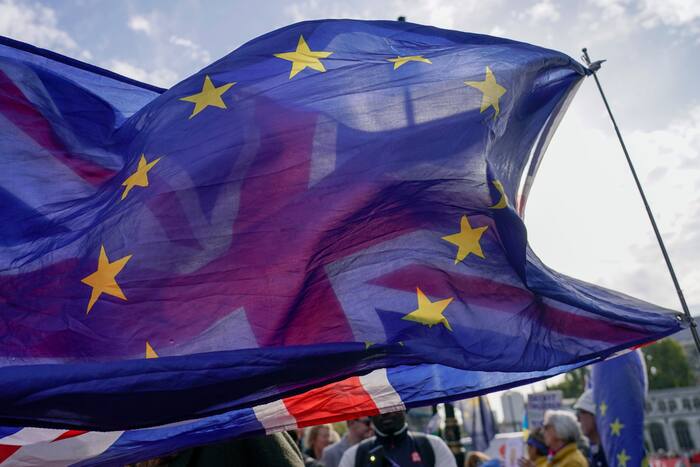
Years of bitter political theater, broken promises, and endless border queues have left Britain and Brussels exhausted. Now, leaders from London and the European Union are sitting down for high-stakes talks to reset their fractured relationship.
Don't expect a miracle.
While headlines love to frame this UK and EU summit as a grand reconciliation, the reality on the ground is much messier. Both sides need each other more than they care to admit, especially with global security deteriorating and sluggish economic growth plaguing the continent. Yet, the political red lines drawn since the 2016 referendum haven't magically vanished.
If you're trying to figure out what this diplomatic reset actually means for trade, travel, and European security, you need to look past the polite handshakes.
What Is Actually Happening at the UK and EU Summit
The core goal of this UK and EU summit isn't to reverse Brexit. Prime Minister Keir Starmer has repeatedly ruled out rejoining the single market, the customs union, or bringing back free movement. Brussels isn't offering those perks anyway without the accompanying obligations.
Instead, this meeting is about pragmatic damage control.
Since the Trade and Cooperation Agreement (TCA) took effect in January 2021, businesses on both sides of the English Channel have bled money dealing with non-tariff barriers. Think mountains of customs paperwork, veterinary checks on food shipments, and stalled professional qualifications.
European Council President António Costa and European Commission President Ursula von der Leyen are meeting with British leadership to establish a formal, regular rhythm of bilateral summits. Before now, contact between London and Brussels was often reactive, tense, and bogged down by disputes over Northern Ireland. Setting a recurring summit schedule signals that both sides want a predictable, grown-up working relationship.
Why Both Sides Suddenly Want to Play Nice
Politics rarely changes because leaders suddenly like each other. It changes because circumstances force their hand.
For the UK, the economic math is brutal. The Office for Budget Responsibility (OBR) has consistently maintained that leaving the EU will reduce the UK's long-run productivity by around 4% compared to remaining inside the bloc. Export volumes to the EU have struggled to recover, particularly for smaller British firms that can't afford dedicated customs compliance teams. Starmer's government staked its reputation on reviving economic growth, and you simply can't grow the British economy while picking fights with your largest trading partner.
Brussels faces its own set of headaches. With the war in Ukraine dragging on and persistent uncertainty surrounding American commitments to European defense, the EU can't afford to leave Britain out in the cold. The UK remains one of Europe's two major nuclear powers and possesses military capabilities that continental capitals desperately need integrated into broader European defense planning.
Geography hasn't moved. Britain and the EU share the same neighborhood, the same intelligence threats, and the same supply chains. Ignoring each other was always a luxury neither side could afford long-term.
The Big Sticking Points on the Negotiating Table
When diplomats sit down behind closed doors, warm words quickly collide with hard interests. Several major friction points dominate the agenda, and each one comes with serious political baggage.
Security and Defense Pact
This is the easiest win for both sides, which is why negotiators are pushing it hard. A formal UK-EU security pact would allow British defense companies to participate more easily in joint European procurement projects and formalize intelligence sharing, cyber defense coordination, and military mobility across borders.
Even here, politics gets in the way. France and a few other member states have historically pushed to keep EU defense funds reserved strictly for companies based inside the bloc. London wants full access without feeling like a second-class contractor. Getting past that protectionism will test how serious Brussels really is about European security.
Food, Farming, and Veterinary Checks
Ask any British food exporter what hurts most right now, and they'll tell you about Sanitary and Phytosanitary (SPS) checks. Because the UK left the EU's regulatory orbit, meat, dairy, and plant products crossing the Channel face expensive physical inspections and veterinary certifications.
London wants an SPS agreement similar to what Switzerland has with the EU, which would eliminate most border checks on agrifoods. Sounds simple, right? Here's the catch. Brussels insists that removing those checks requires the UK to dynamically align with EU food safety rules—meaning Britain becomes a rule-taker with zero say in how those rules are written, and the European Court of Justice (ECJ) retains oversight on disputes. For British politicians terrified of looking weak on sovereignty, that's a tough pill to swallow.
The Youth Mobility Scheme
If there's one issue causing genuine friction, it's youth mobility. The European Commission proposed a scheme allowing young people aged 18 to 30 from the EU and the UK to live, study, and work in each other's territories for up to four years.
To Brussels, this is a no-brainer cultural and economic bridge. To the UK government, it looks dangerously close to bringing back freedom of movement through the back door. With net migration remaining a toxic political issue in Britain, Downing Street initially poured cold water on the idea. However, European capitals—especially Madrid, Rome, and Berlin—have made it clear that a broader reset won't happen unless London gives ground on mobility for young Europeans and lowers exorbitant international tuition fees for EU students.
Fishing Rights and Energy Cooperation
You can't talk about Brexit without mentioning fish. The current post-Brexit fisheries arrangement expires in 2026, meaning quotas and access to British waters are right back on the table. European fishing nations want long-term certainty, while British coastal communities want greater control over their catch.
Energy is the flip side of that coin. Both sides want tighter integration of North Sea wind projects and electricity interconnectors to lower energy bills and hit climate targets. Brussels is subtly linking energy cooperation to fishing access, reminding London that trade-offs are unavoidable.
What Most People Get Wrong About This Reset
If you follow British media, you'd think the UK is either secretly rejoining the EU or about to walk away from talks entirely. Both narratives miss the point.
First, Brussels isn't desperate to give Britain a sweetheart deal. From the EU's perspective, the Brexit divorce is settled business. The bloc has bigger priorities, from managing its internal budget to dealing with global trade tariffs and industrial competitiveness. EU negotiators are happy to cooperate where it benefits them, but they won't bend single market rules just to make life easier for Downing Street.
Second, this isn't a one-off event that solves everything. The TCA itself is scheduled for a formal review in 2026. What we're seeing at this summit is the opening gambit in a multi-year negotiation process. Small, technical agreements—like mutual recognition of professional qualifications for architects or touring rules for British musicians—will take months of tedious legal drafting to materialize.
How This Affects Businesses and Travelers Right Now
If you run a business trading between the UK and Europe, or if you're planning travel across the Channel, don't tear up your compliance checklists just yet.
For exporters and importers, customs declarations, rules of origin paperwork, and VAT registration requirements remain fully in force. Until an actual SPS agreement or mutual recognition pact is signed, ratified, and implemented, border officials will keep enforcing current TCA rules to the letter. Keep budgeting for customs brokers and factoring border delays into your supply chain timelines.
For travelers, major changes are already arriving regardless of the summit's outcome. The EU's Entry/Exit System (EES), introducing biometric fingerprint and facial scans for non-EU citizens entering the Schengen zone, alongside the upcoming European Travel Information and Authorisation System (ETIAS) travel permit, will alter how British citizens cross European borders. A diplomatic reset won't exempt UK passport holders from those automated border controls.
Practical Moves to Watch Over the Coming Months
To separate real progress from political spin as these negotiations unfold, keep your eye on three concrete indicators rather than press conference soundbites.
- Watch the mandate language from Brussels. The European Commission cannot negotiate anything major without a formal negotiating mandate approved by all 27 member states. Until the Council publishes specific mandates on veterinary alignment or youth mobility, talks remain purely exploratory.
- Track business group reactions, not politicians. Organizations like the British Chambers of Commerce and BusinessEurope will tell you immediately whether proposed regulatory tweaks actually cut red tape or simply replace old forms with new ones.
- Audit your own cross-border exposure. If your business relies on EU suppliers, UK clients, or cross-border talent, review your contracts for regulatory divergence clauses and stay updated on upcoming TCA review timelines through official government trade portals.
The UK and EU summit marks the end of the post-Brexit cold war, replacing hostility with cautious pragmatism—but turning warm handshakes into frictionless trade will take years of hard bargaining.