You can't celebrate a return to normal when the skies above you are still actively swallowing missiles. Just 48 hours after the United Arab Emirates announced the full resumption of normal air navigation, the illusion of safety shattered. The UAE General Civil Aviation Authority had barely finished rolling back its regional war restrictions when a fresh volley of Iranian ballistic missiles, cruise missiles, and suicide drones forced a chaotic U-turn.
Now, the country's airspace is partially closed again. Under the emergency directive NOTAM A1722/26, commercial aviation is restricted to narrow, tightly monitored corridors through May 11. It's a massive blow to global travel hubs like Dubai International Airport (DXB) and Zayed International Airport in Abu Dhabi, which have spent months trying to rebuild their pre-war flight schedules. For a closer look into this area, we recommend: this related article.
The whiplash is brutal for travelers and airlines alike. It shows that despite any quiet diplomatic backroom talk or short-lived ceasefires, the military reality on the ground dictates the rules. If you think the aviation crisis in the Middle East is winding down, you're looking at the wrong map.
The Illusion of a Clear Sky
On May 2, regional airlines like Emirates, FlyDubai, and Etihad were finally told they could reclaim their regular timetables. Security evaluations looked clean. The strict "safe air corridors" that had capped daily takeoff and landing numbers since the massive regional escalation in March were discarded. For broader information on this issue, in-depth analysis can also be found at The Guardian.
It lasted two days.
By Monday night, the sky above the Emirates was nearly empty. Flightradar24 tracking data showed a mass exodus of commercial metal as sirens pierced the night across Dubai and Abu Dhabi. The UAE Ministry of Defence confirmed its air defense units actively engaged a complex threat matrix consisting of 12 ballistic missiles, three cruise missiles, and four attack drones launched from Iran.
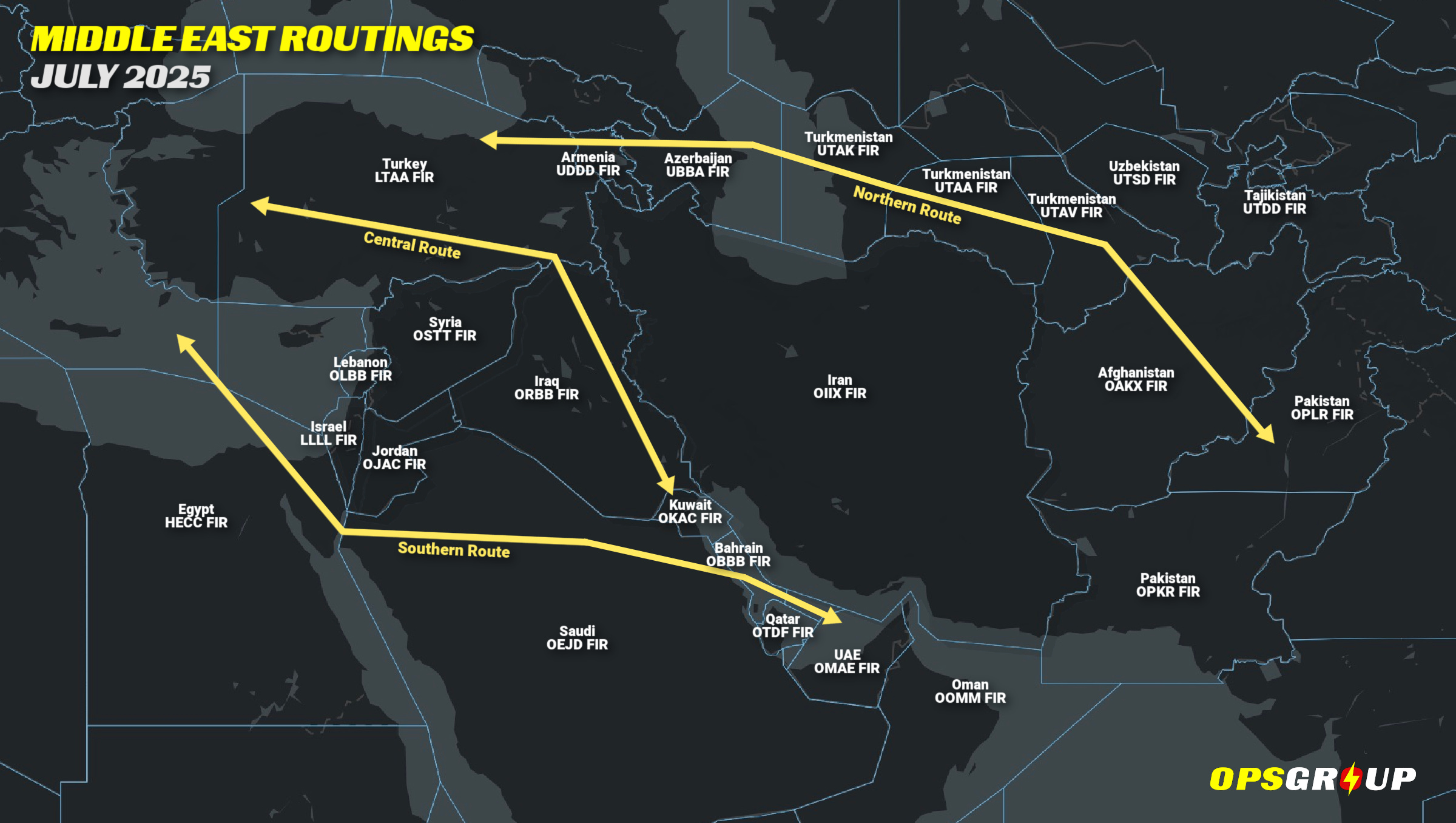
The immediate result was pure operational friction. Incoming flights were forced to pull into holding patterns over Saudi Arabia or make midnight diversions to Muscat, Oman. The "EMIRATES FIR PARTIALLY CLOSED" notice means that instead of the standard expansive flight paths that make Dubai the literal crossroads of global aviation, planes must queue up for highly specific, rigid entry and exit waypoints.
The Grim Math of a Long Campaign
What makes this latest flare-up deeply alarming isn't just the immediate flight delays. It's the sheer volume of ordnance the UAE is absorbing. Alongside the news of the airspace restrictions, the Ministry of Defence released a staggering cumulative toll of the Iranian campaign against the country.
Since these attacks began, Emirati air defenses have intercepted:
- 549 ballistic missiles
- 29 cruise missiles
- 2,260 unmanned aerial vehicles (UAVs)
Think about those numbers for a second. That's a sustained, high-intensity bombardment targeting a nation that relies entirely on its reputation for hyper-modern stability and flawless logistical connectivity. While advanced missile defense grids like the American-made Patriot systems and THAAD have kept the vast majority of these threats from hitting major population centers, the defense isn't absolute.
Monday's strikes targeted the Fujairah Oil Industry Zone. This is a vital strategic asset located outside the Strait of Hormuz, designed precisely to let the UAE export crude oil even if the primary maritime choke point gets blocked. A drone strike managed to slip through, sparking a fire at an energy facility and injuring three Indian nationals. The Ministry of Defence noted that across the entire timeline of these attacks, 227 people have been injured and 13 people have lost their lives, including 10 civilians from various expat communities.
The Economic Shocks to Global Travel
The strategy here isn't just military; it's a direct assault on the economic engine of the Gulf. Dubai and Abu Dhabi don't function without open skies. They are the geographic hinges linking Europe, Asia, and Africa. When a NOTAM drops restricting traffic to narrow corridors, the ripple effects hit airports thousands of miles away.
During the initial phase of this war back in March, when airports across the region shut down completely after joint US-Israel-Iran clashes, over 90,000 transit passengers were stranded daily on just Emirates, Qatar Airways, and Etihad alone. Airlines had to burn millions of dollars in extra aviation fuel to route planes south around the entire Arabian Peninsula.
We are seeing that operational strain return. FlyDubai had just started ramping up operations after being stuck at nearly half of its pre-war capacity for two months due to local runway slot restrictions at DXB. This fresh lockdown essentially freezes those recovery efforts. International carriers looking to restore confidence in transiting through the Gulf are now staring at a week of guaranteed delays, missed connections, and spiked insurance premiums.
How to Manage Travel Through the Gulf Right Now
If you're holding a ticket with a layover in Dubai, Abu Dhabi, or Doha over the next week, assuming everything will sort itself out is a recipe for getting stuck in a terminal. The reality of air travel in a semi-active conflict zone requires a tactical approach.
First, stop relying on third-party booking apps for status updates. They scrape data too slowly during active airspace reconfigurations. You need to download the official app of your operating carrier and turn on push notifications for flight path changes.
Second, look closely at your connection windows. A standard 60-minute layover at DXB was fine when the skies were wide open. Right now, with aircraft being forced into holding patterns over neighboring countries and restricted to single-file entry waypoints, delays are stacking up organically. Give yourself at least three to four hours between flights if you are booking or changing legs.
Lastly, verify your travel insurance policy details immediately. Many standard policies contain strict exclusion clauses regarding acts of war, military conflict, or airspace closures mandated by foreign civil aviation authorities. If your flight gets canceled or diverted due to a security NOTAM, you need to know exactly who is footing the bill for the hotel room—the airline or your own pocket. The regional situation is fluid, and the safety buffer between a clear sky and a locked-down flight information region has shrunk to almost nothing.