The sea does not care about your bank account. It does not care about geopolitical posturing, the price of Brent crude, or the tense phone calls between London and Tehran. To the water, a supertanker is just a slow-moving target for the salt and the wind.
But to the rest of the world, those ships are the lifeblood of everything.
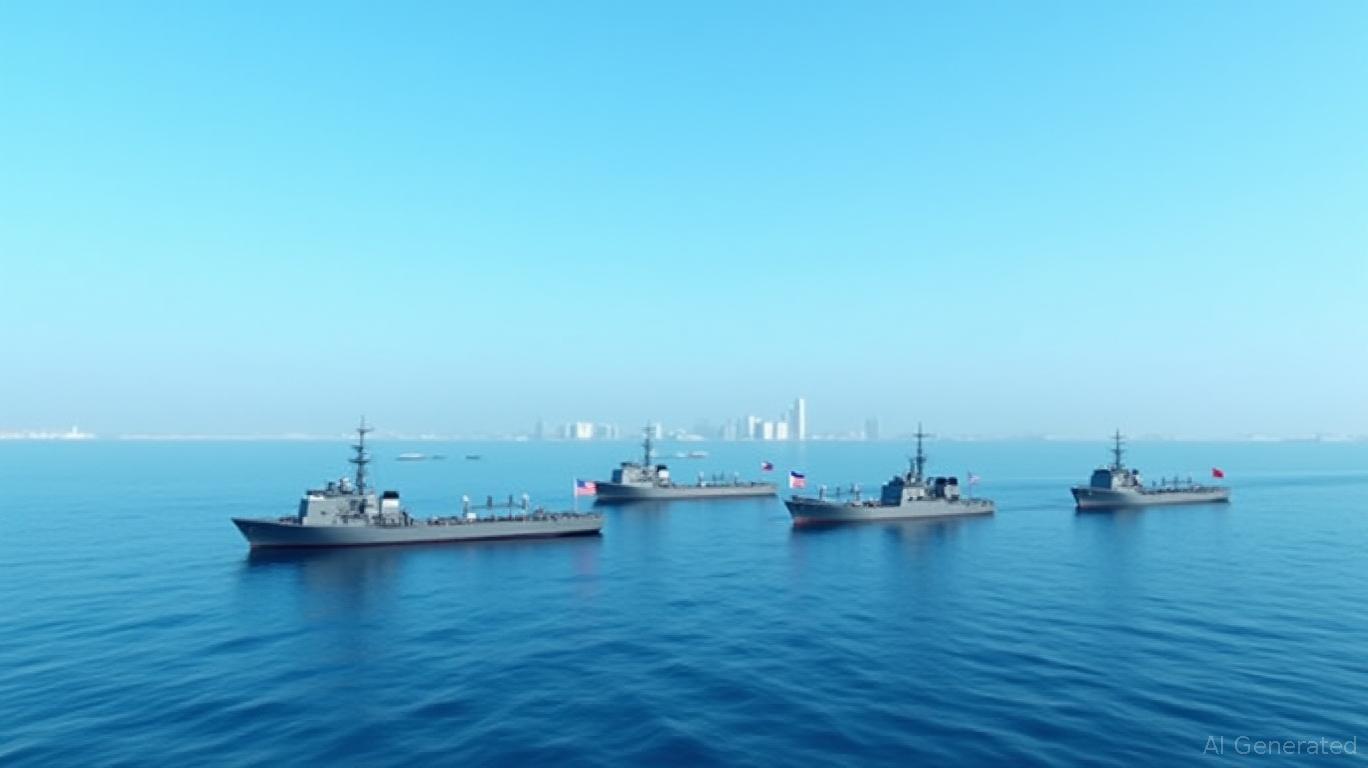
On a recent Saturday, twenty-one pulses moved through a single, narrow artery. According to the tracking data from Kpler, more than twenty vessels—massive, lumbering steel islands—successfully navigated the Strait of Hormuz. On paper, it is a dry statistic. A line item in a maritime ledger. In reality, it is a high-stakes ballet performed on a stage where one wrong move could flip the global economy upside down.
Consider a captain standing on the bridge. Let’s call him Elias. He is fictional, but his anxiety is a shared reality for every master mariner entering these waters. Elias isn't looking at "geopolitical risk." He is looking at the radar. He is smelling the humid, heavy air of the Persian Gulf. He knows that beneath his feet are millions of barrels of oil, a cargo so valuable and so volatile that it makes his ship a floating piece of global leverage.
The Strait of Hormuz is barely twenty-one miles wide at its narrowest point.
Imagine trying to thread a needle while a dozen people are jostling your elbows. Now imagine the needle is 1,200 feet long and the thread is worth a billion dollars.
The Weight of the World on a Single Wave
When those twenty ships passed through on Saturday, the world breathed a silent, collective sigh of relief. Most people sipping their morning coffee in London or New York didn't even know they were holding their breath. They don't see the connection between a gray hull in the Middle East and the price of the plastic bottle in their hand or the heat in their radiator.
But the connection is absolute.
About a fifth of the world’s total oil consumption passes through this choke point. It is the ultimate bottleneck. If the Strait closes, the world doesn't just slow down; it grinds to a halt. The data showing twenty vessels passing through isn't just a count of ships; it is a report on the health of the global circulatory system. Each transit is a successful heartbeat.
The tension in the region has been thick enough to cut with a winch cable. We have seen seizures of tankers, drone threats, and shadow-boxing between naval powers. For a merchant sailor, the "freedom of navigation" isn't a legal concept. It is the difference between a boring day at sea and a nightmare that ends in a detention center or worse.
The Invisible Guard
As those twenty ships made their way through the turquoise waters, they weren't alone. Even when the horizon looks empty, it is crowded. There are the eyes of satellites, the pings of transponders, and the silent vigils of naval destroyers lurking just over the curve of the earth.
The Kpler data is remarkable because of its normalcy. In a region where a single spark can cause an explosion, "normal" is a miracle. Seeing a steady stream of traffic—crude oil tankers, liquefied natural gas carriers, and bulk containers—means the invisible walls are holding. For now.
What do we really see when we look at these numbers?
We see the persistence of commerce over conflict. It is easy to get lost in the headlines of war and rumors of war, but the reality of the human condition is a relentless need to keep moving. The world needs to eat. It needs to move. It needs to stay warm. Those twenty ships represent thousands of crew members—engineers from the Philippines, officers from Greece, cooks from India—all working in 100-degree heat to ensure a supply chain they will never see the end of remains unbroken.
The Fragility of the Flow
Everything we own is essentially a guest of the ocean at some point.
The logistics of moving twenty massive vessels through a contested waterway in a single day is a feat of engineering and nerves. It requires a level of coordination that would make a symphony conductor weep. Pilots must be taken aboard. Communications must be constant. Engine rooms must be kept at a fever pitch to ensure there is no loss of power in the middle of a shipping lane.
The danger isn't always a missile. Sometimes the danger is simple human error born of extreme stress.
When you are navigating a ship that takes three miles to come to a full stop, there is no room for a "bad day." The captains of those twenty vessels operated with the knowledge that they were being watched by every intelligence agency on the planet. One deviation from the lane, one unexplained stop, and the "Risk Premium" on insurance would skyrocket.
We often talk about the economy as if it is an abstract spirit, something that lives in computers and stock tickers. It isn't. The economy is a physical thing. It is the weight of steel, the smell of diesel, and the sound of a massive anchor chain rattling into the deep.
Beyond the Ledger
If you look at the raw data, Saturday was just a busy day at the office for the Strait of Hormuz. But if you look at the human element, it was a day of twenty successful gambles. Every time a ship enters those waters, it is a bet that the rules of the world will still apply by the time it exits.
It is a bet that the "Great Powers" will value trade over pride.
It is a bet that the sea will be kind.
It is a bet that the man on the bridge of the oncoming ship is as tired and as careful as you are.
The twenty ships that passed through are now scattered. Some are heading toward the refineries of Asia, others toward the Mediterranean. They have left the bottleneck behind, moving into the vast, open safety of the Indian Ocean or the Arabian Sea. They leave behind a quieted strait, a stretch of water that remains the most important few miles on the face of the earth.
We find comfort in the numbers because the numbers imply control. We see "20 vessels" and we think we understand the situation. But the numbers are just the skin of the story. Beneath them is the thrumming vibration of engines and the quiet prayers of sailors who just want to get home.
The heartbeat continues. Twenty pulses. One day. The world keeps turning, fueled by the cargo of ships that most people will never see, passing through a gateway most people could not find on a map, navigated by men and women who carry the weight of our modern lives on their tired, salt-crusted shoulders.
The horizon remains clear, but the shadows in the water never truly go away.