The Mile High Marketing Stunt We All Fell For
Every aviation blog on the internet lost its collective mind when Qantas completed a marathon endurance run, keeping a passenger jet aloft for more than twenty-four hours straight. Headlines screamed about the dawn of ultra-long-haul travel. Pundits waxed poetic about shrinking the globe. PR teams popped expensive champagne.
They are all missing the point.
I have spent two decades advising carriers on route profitability, network scheduling, and asset optimization. I have watched airlines bleed millions of dollars chasing vanity records while their core balance sheets crumble. This twenty-four-hour flight obsession is not a triumph of engineering. It is an expensive, carbon-heavy marketing exercise designed to distract you from the miserable reality of being locked in a tube for a full day.
Stop cheering for endurance. Start looking at the unit economics.
The Brutal Math of Ultra-Long-Haul Routes
Let us strip away the glossy PR veneer and look at how commercial aviation actually works. An aircraft makes money only when it is moving paying customers and freight while burning the optimal amount of fuel. The moment you push a plane past the eighteen-hour mark, the physics and economics turn viciously against you.
To stay aloft for twenty-four hours, an aircraft must carry an immense amount of fuel at takeoff. But fuel has weight. Carrying extra fuel burns more fuel just to haul that extra weight into the sky. This is the tyranny of the rocket equation, applied to commercial jets.
- Payload Penalties: Because the tanks are maxed out, airlines have to slash passenger capacity or cargo weight. You are flying with empty seats or zero belly cargo, which means every ticket on that flight has to carry an inflated price tag just to break even.
- Asset Utilization: A widebody jet sitting in the air for twenty-four hours straight on a single route is a jet that is not flying three shorter, highly profitable regional sectors during that same window. Opportunity cost is a silent killer in fleet management.
- Crew Fatigue Multipliers: You cannot simply swap pilots at a layover on a direct flight. You have to pack a heavy shadow crew, burning valuable cabin space and adding deadheading costs on the return leg.
When airlines brag about connecting two distant cities directly, they are hiding the subsidy required to make that vanity route function.
The Myth of Saved Time
The primary emotional hook of the twenty-four-hour direct flight is time saved. No layovers. No sprinting through international terminals to catch a tight connection. Point A to Point B, uninterrupted.
Except human biology does not care about your marketing narrative.
Imagine a scenario where you board a flight in Sydney and step off twenty-four hours later in London. You didn't save time; you compressed a week of sleep deprivation and physical decay into a single calendar day.
- Circadian Collapse: Crossing multiple time zones in a single bound obliterates your circadian rhythm. A layover in Singapore or Dubai isn't just an inconvenience; it is a vital physical reset. It allows you to stretch your legs, sleep in a horizontal bed for six hours, and recalibrate your internal clock.
- The Deep Vein Risk: Immobility for twenty-four hours dramatically increases the risk of deep vein thrombosis. Dehydration at altitude compounds the issue. When you eliminate stops, you eliminate the natural pressure release valve of the journey.
- Productivity Illusion: Business travelers think they can work through a day-long flight. The reality is cognitive sludge. By hour fourteen, decision-making capacity drops to zero. You arrive completely useless for the first two days at your destination.
The Hub and Spoke Reality Check
Aviation history teaches a clear lesson about network design. The hub-and-spoke model exists for a compelling economic reason. It concentrates demand, maximizes load factors, and protects airlines against unexpected mechanical delays.
Point-to-point ultra-long-haul flying shatters this resilience. If a plane encounters severe weather or mechanical trouble midway through a twenty-four-hour sector, recovery options are severely limited. You cannot easily reroute a flight when half the planet's oceans are beneath you.
Network planners know this. They build massive hubs in Doha, Dubai, Singapore, and London precisely because breaking a long journey into two manageable segments is safer, cheaper, and more comfortable for everyone involved.
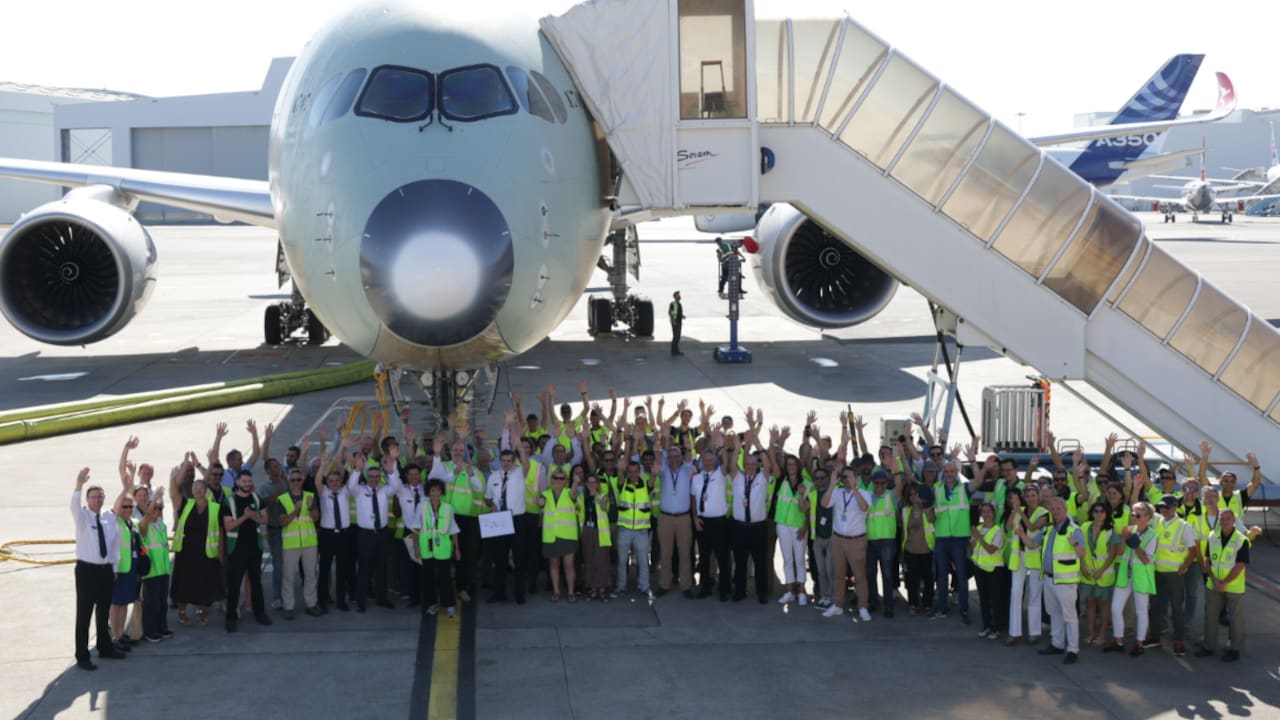
Qantas can throw all the PR weight they want behind a single headline-grabbing stunt. They can paint a fuselage with special decals and host media events upon landing.
It does not change the spreadsheet.
What You Should Do Instead
If you manage corporate travel budgets or plan your own international itineraries, stop paying a massive premium for direct ultra-long-haul bragging rights.
- Embrace the Layover: Book a flight with a strategic three-to-four-hour stopover at a major transit hub. Use that time to walk two miles through an air-conditioned terminal, eat a fresh meal, and breathe non-recirculated air.
- Prioritize Cabin Class over Direct Access: If your budget allows for a twenty-four-hour direct economy ticket, spend that exact same money on a multi-segment itinerary where the first or middle leg is in a lie-flat business class seat. Your spine will thank you.
- Ignore the Press Releases: Treat airline marketing departments with the skepticism they deserve. A longer flight is not a better flight.
The future of aviation is not about locking passengers in a metal tube for a full day. It is about efficient networks, realistic human limits, and respecting the laws of physics.
Cancel your booking on the endurance marathon. Break up the trip.
Let the airlines chase their empty records. Save your sanity instead.