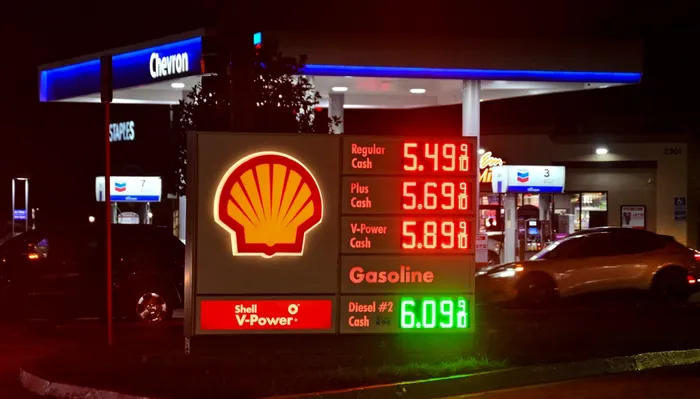
Your wallet is about to feel the weight of a massive trade fight happening in D.C. right now. Today, April 28, 2026, the U.S. Trade Representative’s Office kicks off a high-stakes series of hearings that could cement the next wave of Trump’s aggressive import taxes. This isn't just bureaucratic theater. It's the administration’s attempt to fix a legal mess and double down on a protectionist agenda that’s already shifting the cost of living for every American household.
The Office of the U.S. Trade Representative (USTR) is currently investigating 60 different economies. They're looking at everything from forced labor practices to "structural excess capacity"—basically, countries making too much stuff and dumping it on our shores. If you’ve noticed your grocery bill or your new car price creeping up, these hearings are the reason why.
The Legal Scramble to Save the Tariffs
Let's be blunt. The administration is in a bit of a jam. Back in February 2026, the Supreme Court basically threw a wrench in the gears. They ruled 6-3 in Learning Resources, Inc. v. Trump that the president couldn't just use the International Emergency Economic Powers Act (IEEPA) to slap "Liberation Day" tariffs on everything coming into the country.
That ruling made about $165 billion in collected duties potentially illegal. Oops.
To keep the tax revenue flowing and the "America First" policy alive, Trump pivoted. He immediately used Section 122 of the Trade Act of 1974 to impose a temporary 10% global surcharge. But that only lasts for 150 days. It expires in July. That’s why these USTR hearings are so urgent. U.S. Trade Representative Jamieson Greer is trying to wrap up Section 301 investigations before that clock runs out. Unlike the temporary stuff, Section 301 tariffs aren't time-bound. They can stay forever.
Who is Under the Microscope Today
The witness list for the hearings on April 28 and 29 is a who's who of global trade. You've got human rights groups, industry lobbyists, and even representatives from foreign governments like the EU, India, and Canada.
They're specifically dissecting two massive probes:
- The Forced Labor Investigation: This covers 60 economies. The USTR claims these countries aren't doing enough to ban goods made with forced labor.
- The Overcapacity Investigation: This one targets 16 major players, including China, the EU, Mexico, and Vietnam. The argument is that these countries are subsidizing their factories so much that they're "unreasonably" burdening U.S. commerce.
I've seen these trade fights before. Usually, it's a lot of posturing. But this time feels different because the numbers are so much bigger. China’s trade surplus hit a record $1.2 trillion in 2025. Mexico’s surplus with us is nearly $200 billion. The administration isn't just looking for a "fair" deal; they're looking to fundamentally break the current trade system.
Small Businesses are Already Bleeding
If you think this only affects "big steel" or "big tech," you're wrong. The Center for American Progress recently found that small-business importers saw their tariff bills triple over the last year. We're talking about an average of $306,000 extra per business.
That’s money that isn't going into raises or new equipment. It's going straight to the Treasury. Most of these businesses don't have the margins to just "absorb" the cost. They pass it to you. That’s why "core goods" prices jumped nearly 2% year-over-year as of January.
It’s easy to talk about trade wars in the abstract. It’s a lot harder when you're a "mom-and-pop" shop with 20 employees trying to figure out why a shipment of electronics now costs 25% more than it did two years ago. Many of these owners are testifying this week, hoping the USTR will offer "exclusions"—basically a hall pass for certain products. Don't hold your breath. The current administration has been notoriously stingy with those.
What This Means for Your Budget
The Tax Foundation estimates that even after the Supreme Court's "no" on IEEPA, the average effective tariff rate in 2026 will still be around 5.6% to 10.3%. That’s the highest level since the 1940s.
Here is what you should expect in the coming months:
- Price volatility: As companies move supply chains out of China or Vietnam to avoid the 301 tariffs, expect "transition costs" to hit the shelves.
- Retaliation: Don't think for a second that the EU or India will just take this. They'll likely slap taxes on U.S. exports like soybeans, bourbon, or motorcycles.
- Legal chaos: Several states, led by New York, are already suing to block the new Section 122 tariffs. We might end up back at the Supreme Court by the end of the year.
If you're a business owner, you need to be auditing your Harmonized Tariff Schedule (HTS) codes right now. Are you importing from one of the 16 "overcapacity" countries? If so, your costs are likely going up in July when the temporary 10% tax is replaced by whatever Greer decides in these hearings. Honestly, if you haven't started looking for alternative suppliers in South America or domestically, you're already behind the curve.
Keep a close eye on the USTR’s final report. It’s due before the July 24 expiration of the current surcharges. That document will dictate the price of almost everything you buy for the next four years.