Donald Trump wants a signature on a dotted line, and he wants it now. As the White House frantically irons out the final details of the Islamabad Accord—a fast-tracked memorandum of understanding between Washington and Tehran—officials in Jerusalem are experiencing a mix of panic and outright betrayal. The reality on the ground is messy, tense, and rapidly exposing a massive rift between the United States and its closest Middle Eastern ally.
Israeli security circles aren't just anxious; they are fuming. Behind closed doors, the sentiment is brutal. Word from senior political figures is that Trump’s rush for a diplomatic win has essentially left Israel holding the bag. The multi-front war that began earlier this year has drained regional stability, and just as Israel attempts to reassert military dominance, Washington is slamming on the brakes.
The Beirut Flashpoint and the Outburst Heard in Jerusalem
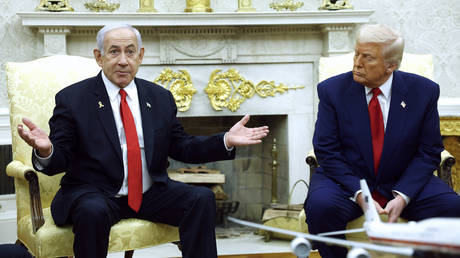
The tension boiled over after Israel launched fresh airstrikes targeting Hezbollah commanders in southern Beirut. The response from Donald Trump wasn't the standard diplomatic boilerplate of American solidarity. Instead, he went completely ballistic. Speaking to reporters, Trump openly questioned Benjamin Netanyahu's judgment, using sharp expletives to express his fury that a regional strike might derail his imminent peace deal.
Trump took to Truth Social to command all sides to "stand down," downplaying previous hostile actions as "small and meaningless" compared to the historic nature of the deal he expects to sign. For Israeli defense officials, this was a resounding slap in the face.
The immediate fallout of this diplomatic friction looksgrim for Israel:
- Loss of Military Autonomy: Jerusalem faces unprecedented American pressure to halt all operations in Lebanon, a core demand being pushed by Tehran in the negotiations.
- The Proposed Southern Pullout: Reports indicate Trump even floated the idea of Israeli forces physically withdrawing from southern Lebanon to appease Iranian negotiators—a proposal Netanyahu rejected instantly.
- No Retaliation Clauses: Washington is actively pressuring Israel to swallow any incoming Iranian retaliatory strikes without firing back, purely to protect the timeline of the US-Iran signing ceremony.
What is Actually in the Islamabad Accord
The emerging agreement is less a comprehensive peace treaty and more a temporary framework to stop a global economic headache. The primary American goal is clear: reopen the Strait of Hormuz. The key maritime chokepoint has been choked off for over 100 days, driving up energy prices and creating major domestic political pressure for the Trump administration ahead of upcoming midterm elections.
Under the leaked terms of the 60-day extension agreement, Iran will clear mines from the strait and allow free transit without charging tolls. In exchange, the US will lift its naval blockade on Iranian ports and grant temporary waivers allowing Tehran to sell oil on the global market.
The nuclear component, however, is where Israeli intelligence looks at the text and sees a disaster. The deal doesn't dismantle Iran's nuclear capabilities upfront. Instead, it punts the issue down the road into a 60-day window of subsequent talks. While it calls for the on-site dilution of Iran’s 9,000-kilogram uranium stockpile under IAEA supervision, it leaves the core infrastructure intact. It also completely ignores Iran's massive ballistic missile program and its funding networks for regional proxy groups.
The Mirage of Full Alignment
Publicly, Netanyahu’s office is doing everything possible to minimize the political damage. The official line from Jerusalem claims complete agreement between Netanyahu and Trump on the ultimate goal of keeping nuclear weapons away from Iran. But nobody in the defense establishment is buying the spin.
The Israeli government already announced that Jerusalem will not be bound by the terms of the Islamabad Accord. The fundamental disconnect is too large to ignore. Trump views the conflict through the lens of a dealmaker wanting to lower global fuel prices and end an expensive, unpopular war. Israel views the conflict as an existential battle against an encirclement of hostile forces led by Tehran.
By prioritizing a quick diplomatic victory, Washington is establishing a precedent that worries Israeli strategists. If the United States is willing to micromanage Israeli defense operations and protect Iranian diplomatic sensibilities just to secure a 60-day ceasefire, the long-term strategic alliance looks far more conditional than anyone in Jerusalem care to admit.
Israel's next steps require a delicate balancing act. Security officials are already preparing for potential Iranian responses while calculating how far they can push military objectives in Lebanon before triggering a permanent diplomatic rupture with the White House. The war might be cooling down on paper in Washington, but the friction between the allies is just heating up.