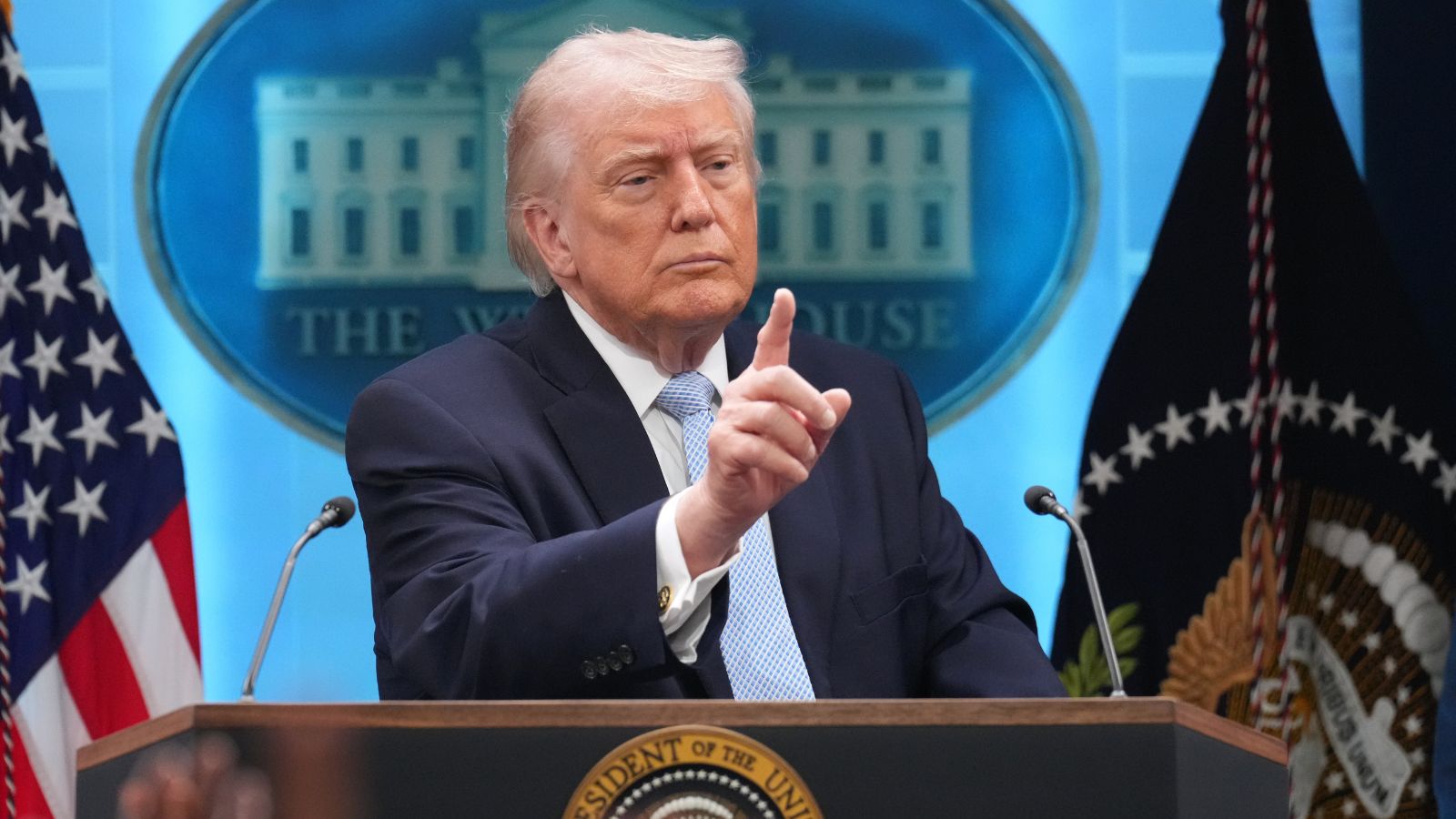
Forget diplomatic breakthroughs. President Donald Trump just slammed the door shut on negotiations with Tehran, making it crystal clear that Washington prefers a strategy of economic suffocation over backroom deals.
If you are watching the escalating conflict, the core question is simple: Why walk away from the table when military tensions peak? The White House answer is pure leverage. By claiming "almost total control" of the strategic Strait of Hormuz, Washington is betting that military chokeholds and a collapsing Iranian economy will dictate terms without a single signature on a diplomatic pact.
The Reality Behind the Hormuz Chokehold
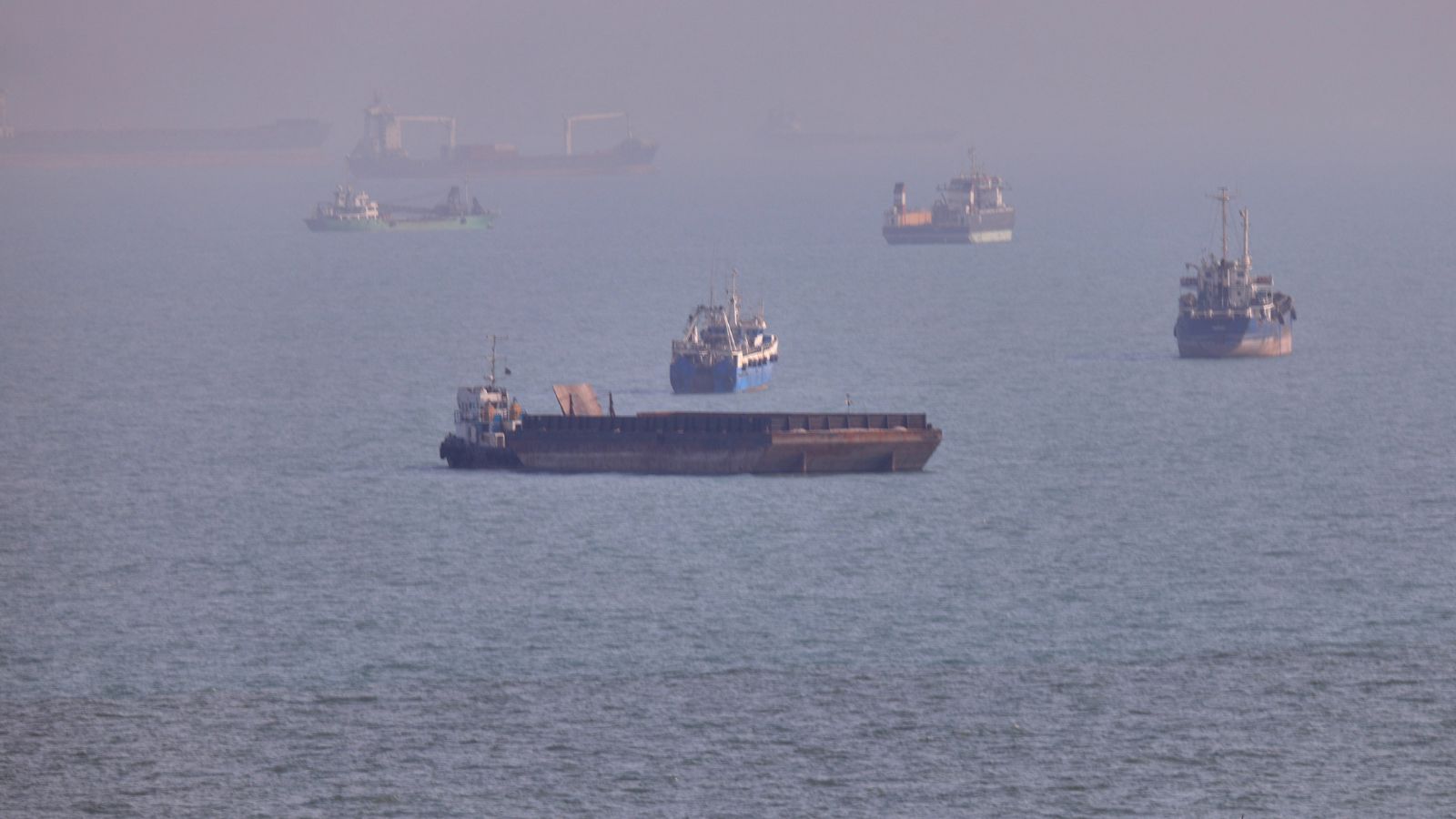
The Strait of Hormuz is the literal jugular vein of global energy. A massive percentage of daily petroleum and liquefied natural gas shipments squeeze through this narrow waterway. Right now, commercial shipping traffic has plummeted below normal averages as supertankers dodge naval mines and active combat exchanges.
Trump took to social media to dismiss reports of pushed negotiations as fake news, stating flatly that he doesn't care if Tehran ever signs a deal. The strategy relies on a naval blockade that supporters call a wall of steel.
- Commercial transit remains heavily restricted.
- Energy markets fluctuate wildly with every new exchange.
- Insurance rates for cargo vessels traversing the Persian Gulf have skyrocketed.
Tehran fiercely disputes Washington's narrative. Iranian military officials and leadership insist that access to the strait remains under their management, setting up a dangerous standoff over who actually commands the water.
Economic Collapse Versus Retaliation
Washington is banking on internal pressure. With sanctions biting hard and military strikes targeting radar sites, air defenses, and maritime assets of the Islamic Revolutionary Guard Corps, the Iranian economy faces severe distress. The calculation in Washington is that civilian hardship will eventually force a domestic turning point.
Tehran is not staying quiet. Recent exchanges saw retaliatory drone and missile moves hitting American interests and regional partners across the Gulf, including spots in Bahrain, Kuwait, and Jordan. Civilian casualties inside Iran, including tragic losses from strikes near coastal areas like Sirik, have only hardened political rhetoric in the Iranian parliament.
What Happens Next in the Gulf
You won't see a peaceful summit coming together anytime soon. Both sides are doubling down. The US military continues to complete targeted sweeps against mine-laying capabilities to keep the waterway open for favored traffic, while Iran signals it will keep the pressure high until its own conditions are met.
Keep a close eye on daily tanker movement data rather than political press releases. Real shipping volumes tell the actual story of who controls the oil route.
Trump Says US Not Forcing Iran Talks, Claims 'Almost Total Control' Of Strait Of Hormuz
This video report breaks down President Trump's rejection of Iran talks and his assertions regarding control of the Strait of Hormuz.
http://googleusercontent.com/youtube_content/1