The Strait of Hormuz remains the single most stressful choke point on the planet. When Washington and Tehran trade proposals over who controls the water, global markets hold their breath.
President Donald Trump recently tossed out a high-profile proposal from Iran aimed at reopening the strategic shipping lane and wrapping up ongoing hostilities. If you think this is just standard diplomatic posturing, look closer. The stakes involve hundreds of billions of dollars, global oil flows, and a bitter stalemate that shows zero signs of a clean exit.
Here is why the deal collapsed and what it actually means for the energy market moving forward.
What Iran Actually Put on the Table
Tehran floated a sweeping framework delivered via international mediators. The plan looked great on paper if you lived in Tehran. It promised to unlock the Strait of Hormuz within seven days, resume discussions surrounding its nuclear capabilities, and wind down regional conflicts including fronts in Lebanon.
In exchange, Iran wanted immediate concessions. They demanded that the United States lift its crippling naval blockade on Iranian ports, drop sanctions choking off their oil revenues, and observe a total ceasefire.
From Iran's perspective, the offer was a pragmatic exit strategy from a grinding conflict that has crushed their economy. From Washington's perspective, it looked like a desperate lifeline from a government losing the upper hand.
Why Washington Said No
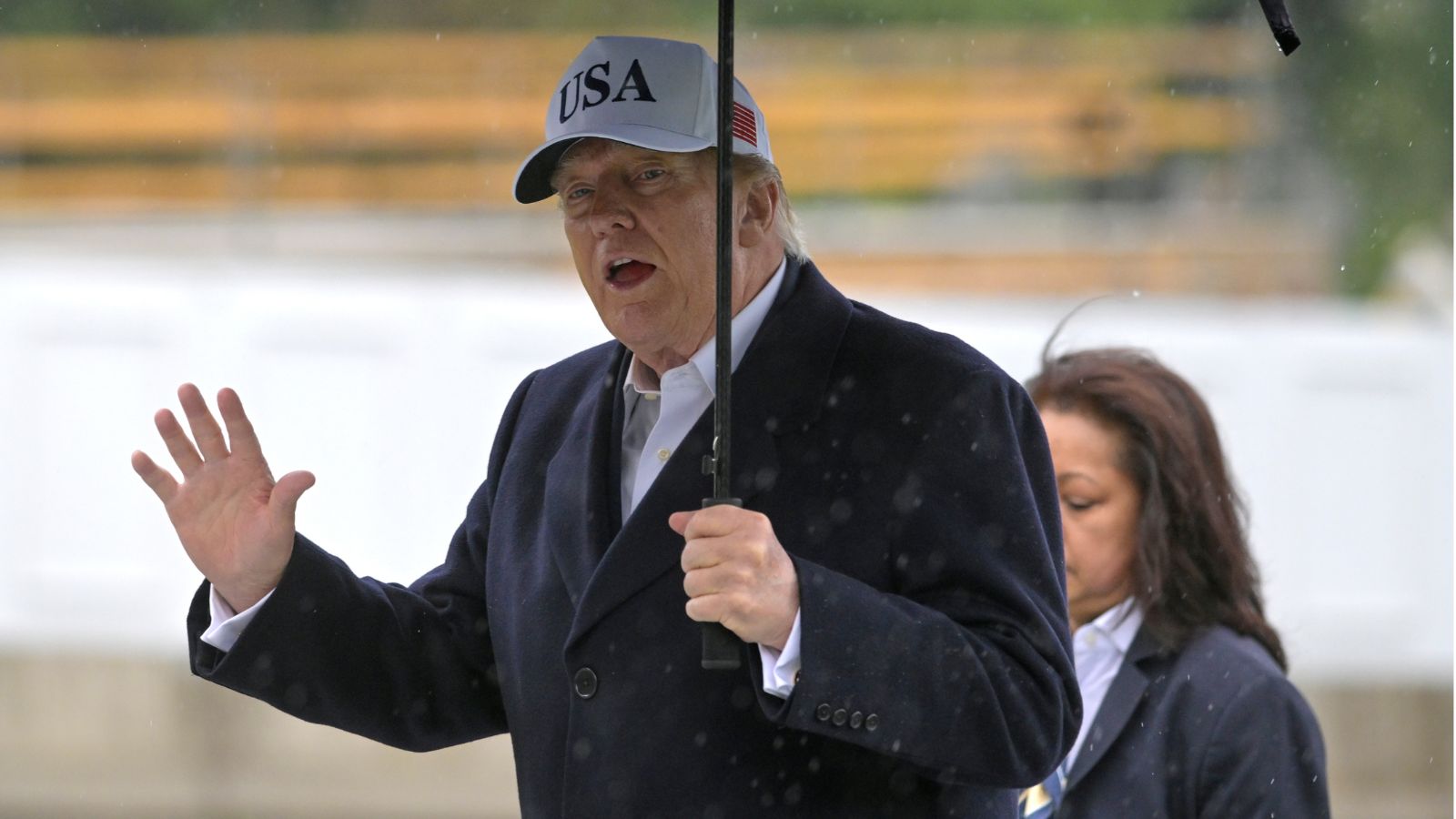
Trump didn't just decline the offer; he dismissed it publicly with characteristic bluntness. Stepping outside the White House, he made his stance crystal clear.
"They want to make a deal to open the Hormuz Strait immediately because they're losing so badly," Trump told reporters.
The core calculation inside the White House comes down to leverage. The Trump administration believes time is on America's side. With hundreds of billions in Iranian financial assets frozen abroad and U.S. forces maintaining pressure despite ongoing regional skirmishes, Washington feels zero pressure to compromise on Tehran's terms. Defense officials have repeatedly pointed out that a massive portion of Iran's military and industrial base has been severely degraded, reducing their bargaining power at the table.
Trump summarized the administration's hardline view succinctly on social media, noting that the U.S. holds their money and controls the strategic leverage points. Why hand over sanctions relief when you feel like you are winning the economic and military war?
The Real Cost of the Stalemate
While politicians in Washington and Tehran exchange blows, global shipping companies and energy traders carry the heavy burden. The Strait of Hormuz carries a massive chunk of the world's petroleum supply. Even though major open combat slowed down, the waterway is far from safe.
Iran continues targeting vessels that attempt to transit without local clearance, keeping insurance rates sky-high and supply chains permanently jittery. Every rejected peace proposal means another stretch of elevated shipping costs, volatile oil prices, and lingering tension across the Middle East. Regional mediators like Qatar, Turkey, and Oman keep trying to piece together multi-point compromises, but bridging the gap between total sanctions relief and total capitulation is nearly impossible.
Where This Leaves Global Energy Markets
Ignore the grandstanding for a moment. The reality on the ground is a protracted war of attrition. Iran insists it will not surrender a single particle of enriched nuclear material, while Washington insists it doesn't even need a formal peace deal to maintain the status quo.
If you are watching energy markets or supply chain logistics, stop waiting for a sudden diplomatic breakthrough. Neither side is ready to blink. Expect high volatility around the Persian Gulf to persist as the new normal, with commercial vessels forced to navigate a high-risk zone where political stubbornness outweighs economic common sense.


