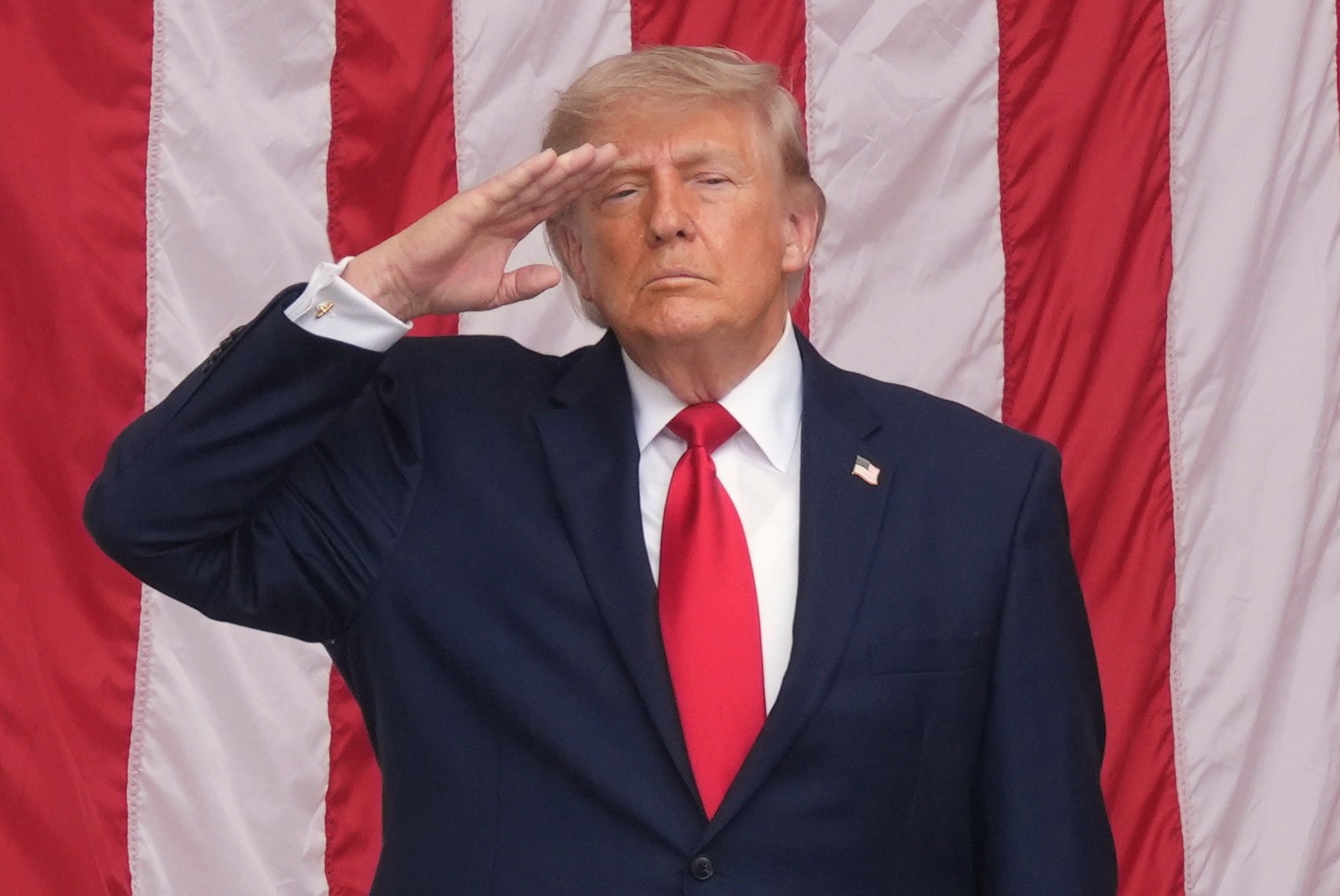
Donald Trump doesn’t care about the midterm elections. He said so himself during a Cabinet meeting. He explicitly remarked that he doesn't care about the midterms, brushing aside the panic of every down-ballot Republican watching their poll numbers tank.
It is a glaring disconnect. Trump is on a massive winning streak inside his own party. His hand-picked candidates are steamrolling traditional conservatives in primaries across the country. Just look at Texas, where Trump-backed Ken Paxton soundly defeated Senator John Cornyn in a brutal Republican primary runoff. Look at Kentucky and Louisiana, where independent-minded incumbents like Representative Thomas Massie and Senator Bill Cassidy got utterly crushed after crossing the president.
If you only look at primary results, Trump looks invincible. He has achieved absolute, unadulterated dominance over the Republican apparatus. But out in the real world, where normal people decide general elections, that total dominance is setting the party up for a historic disaster.
The strategy that wins a low-turnout Republican primary is the exact opposite of what wins a competitive general election. By reshaping the party into a homogeneous block of ultra-loyalists, Trump is building an army that can win internal feuds but will struggle to win the country.
The Primary Trap and the Myth of Total Victory
Primaries are decided by the most passionate, hardcore faction of a party. In midterms, primary turnout regularly hovers around 15 to 20 percent of eligible voters. When Trump weighs in with his endorsement, he activates a hyper-committed base that easily overwhelms anyone else.
That’s how Ken Paxton wins a primary runoff by nearly 30 points despite years of high-profile legal battles and ethics scandals. Inside the MAGA bubble, Paxton is a warrior. To the suburban swing voters in Dallas, Houston, and Austin who decide statewide elections, he is a walking opposition research folder.
Democrats are already salivating at the matchup. They quickly lined up behind nominee James Talarico, ready to turn the Texas Senate race into a referendum on chaos versus governance. National Republican strategists privately admit that leadership desperately wanted Cornyn to win because he was a safe bet to hold the seat. Now, they have to spend tens of millions of dollars defending a state that should have been locked down.
This dynamic is repeating in dozens of crucial House and Senate districts. Trump’s political team views any internal dissent as a virus to be eliminated. If a Republican votes against a White House spending bill or questions an executive action, they get primaried.
The problem is that the "purified" candidates left standing are frequently too extreme, too eccentric, or too damaged to survive a general election. Trump gets the exact party he wants, but he might end up ruling over a minority party.
Sidelining the Issues Voters Actually Care About
Go talk to any swing voter in a battleground district. They aren't thinking about executive power, and they definitely aren't thinking about Trump's personal grievances. They want to know why their grocery bills are still high and when interest rates are going to drop.
Yet, Trump’s current legislative priorities have almost nothing to do with the economy. Right now, the White House is aggressively pressuring congressional Republicans to fund two highly controversial projects:
- A $1 billion upgrade for a new White House ballroom.
- A $1.8 billion compensation fund earmarked for individuals who claim they were prosecuted for political purposes, including those involved in the January 6th Capitol riots.
Think about the position this puts a moderate Republican running for re-election in a swing district in Pennsylvania or Arizona. They have to go home to voters who are struggling to pay rent and explain why they voted to spend nearly three billion dollars on a ballroom and a legal defense fund.
If they vote for the packages, they alienate the independent voters they need to win in November. If they vote against them, Trump blasts them on social media, calls them "RINO scum," and destroys their base support. It's a brutal, no-win situation.
National Republican Congressional Committee spokesperson Mike Marinella put on a brave face, claiming Trump puts House Republicans in the strongest position to defy history. But behind closed doors, the mood is pure frustration. Trump is burning up valuable legislative time and campaign messaging on vanity projects while Democrats run a disciplined, unflashy campaign focused entirely on daily economic anxieties.
The Math Behind the Fight for Congress
The margins in Washington are razor-thin. Republicans entered this cycle with a fragile 220-215 advantage in the House and a slightly more comfortable 53-47 lead in the Senate.
Yes, Republicans have a built-in advantage in several states because of aggressive mid-decade redistricting. Redrawn maps in places like Texas and Indiana have helped protect some vulnerable seats. But structural advantages only take you so far when the political environment sours.
Take a look at how the battlegrounds shape up for the midterms:
- The House: Democrats need a net gain of just three seats to flip the chamber. Analysts are tracking roughly 42 true battleground districts, split almost evenly between both parties.
- The Senate: Democrats are playing defense in tough states like Georgia and Michigan, but Republicans are forced to defend a seat in Maine, a state Kamala Harris carried. With wild-card candidates like Paxton leading tickets in major states, the entire Senate map is expanding.
Special elections and off-year contests over the last eighteen months show a consistent pattern: Democrats are regularly outperforming expectations based on previous election margins. The general electorate is showing signs of buyer's remorse, and Trump’s complete refusal to moderate his tone or focus on mainstream economic relief is fueling that fire.
Survival Steps for Down-Ballot Republicans
If you're a Republican candidate trying to survive this cycle, you can't rely on the national party to save you. You have to build a localized wall around your campaign.
First, stop talking about national grievances. If a reporter asks you about the White House ballroom or presidential pardons, pivot immediately. Use strict, disciplined messaging focused on local infrastructure, regional employment, and kitchen-table costs.
Second, utilize the ground game. Trump’s campaign relies heavily on massive, expensive rallies that fire up people who are already voting. They aren't doing the boring, tedious work of knocking on doors and identifying undecided suburban voters. Lean on independent political action committees and local field offices to do the heavy lifting in your district.
Finally, establish a distinct brand. Look at how successful swing-district lawmakers operate. They don't pick public fights with Trump—that’s political suicide—but they quietly build a track record of independent voting on local issues. You need voters to view you as an individual, not just a rubber stamp for whatever happens in the Oval Office.
The ultimate irony of Trump’s total control over the GOP is that it works perfectly right up until the moment it fails completely. He has built a machine that is flawless at winning primaries and utterly broken at winning America. If the party doesn't find a way to decouple its general election strategy from the whims of the White House, November is going to be a bloodbath.
This DW News analysis of Trump's GOP grip offers an excellent breakdown of the growing friction between Trump's personal legislative demands and the reality of keeping moderate voters on board for the midterms.