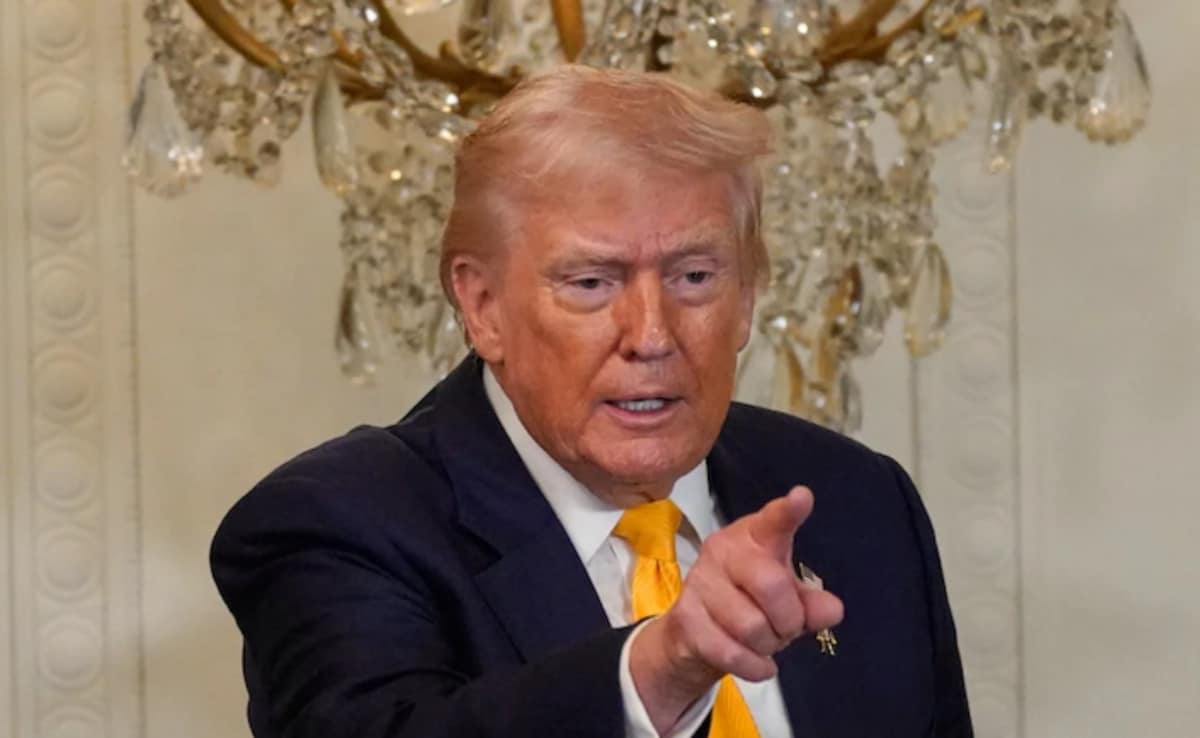
Donald Trump isn't just bluffing about Germany anymore. The President just confirmed he's looking at pulling US troops out of Italy and Spain too. It's a massive shift that's sending shockwaves through NATO headquarters and leaving European leaders scrambling for a response. If you're wondering why this is happening now, the answer is simple: the war in Iran.
Trump is frustrated. He's tired of the US footing the bill for European security while those same countries refuse to lift a finger when Washington needs help. "Italy has not been of any help to us and Spain has been horrible, absolutely horrible," Trump told reporters in the Oval Office on Thursday. It's a blunt assessment that cuts through the usual diplomatic niceties.
The Iran conflict is the breaking point
For months, tensions have been simmering between the US and its European allies over the ongoing military operations against Iran. Trump has been pushing NATO members to help secure the Strait of Hormuz and support the US-Israeli campaign. Instead, he's met with hesitation and, in the case of Germany’s Chancellor Friedrich Merz, open criticism.
Merz recently claimed the US has no "exit strategy" in Iran and suggested Washington was being "humiliated" at the negotiating table. Trump didn't take that lying down. He fired back, accusing Merz of being soft on the nuclear threat from Tehran. But the anger isn't just directed at Berlin. Spain and Italy are now firmly in the crosshairs.
Spain has been particularly stubborn, flatly refusing to support military operations in the Middle East. Italy, led by Prime Minister Giorgia Meloni, was once seen as a close ally, but Trump now says she lacks the "courage" to stand with the US on Iran. For a president who views international relations through the lens of loyalty and "America First," this is a betrayal that carries a heavy price tag.
Breaking down the numbers
We aren't talking about a few dozen soldiers. The US military presence in these countries is substantial, and any withdrawal would fundamentally change the security map of the Mediterranean.
- Germany: Currently hosts about 36,436 active-duty US troops.
- Italy: Home to 12,662 US service members.
- Spain: Hosts 3,814 US troops.
The US has over 68,000 troops permanently stationed across Europe. Germany is the heavy hitter, serving as the logistics and medical hub for operations across the continent and into Africa. Ramstein Air Base isn't just a landing strip; it's the heartbeat of American power projection in the region. If Trump follows through, the economic hit to these local communities would be devastating. In some German towns, the US military is the largest employer.
Is this a tactical move or a permanent exit
There's a lot of debate about whether this is just a negotiation tactic to force higher defense spending or a genuine desire to bring the "forever wars" and overseas entanglements to an end. Critics argue that withdrawing from Italy and Spain weakens NATO and gives Russia exactly what it wants: a fractured West.
However, the administration sees it differently. They believe the current model is broken. Why should the US protect the Strait of Hormuz for oil tankers headed to Europe if Europe won't help defend that same waterway? Trump's logic is hard to argue with from a purely transactional standpoint. He’s basically saying that if you want the protection of the American military, you’ve got to be a partner, not just a passenger.
What happens to the bases
If the US actually pulls out, we’re looking at a massive logistical nightmare. Moving thousands of troops, their families, and tons of equipment isn't something that happens overnight. There’s talk that these forces might not go home to the US but could instead be moved to countries that have been more "supportive," like Poland, Romania, or Greece.
Poland has been practically begging for a permanent US base (often jokingly referred to as "Fort Trump"). Moving troops from "delinquent" allies in Western Europe to enthusiastic partners in Eastern Europe would serve two purposes: it rewards loyalty and puts US boots closer to the front lines with Russia.
The risk of a NATO collapse
The elephant in the room is the survival of NATO itself. Trump has called the alliance a "paper tiger" and has previously toyed with the idea of leaving it entirely. While a 2023 law prevents him from withdrawing without Congressional approval, he can certainly hollow it out by removing troops and resources.
European leaders are terrified. They've spent decades relying on the American security umbrella while neglecting their own militaries. Now, the bill is coming due. If the US pulls back from the Mediterranean and Germany, Europe will be forced to choose: significantly hike their own defense budgets or find a way to make peace with the threats on their doorstep without Washington's help.
Don't ignore the timing
It's no coincidence this is happening as the Iran conflict reaches a fever pitch. The US is conducting a "global posture review," which is just military-speak for "we’re looking at where our people are and if they actually need to be there." The results of that review will likely provide the formal cover for the troop reductions Trump is already talking about.
If you're an investor or a policy wonk, watch the Strait of Hormuz. The level of cooperation—or lack thereof—from Italy and Spain in the coming weeks will tell you everything you need to know about where those troop levels are headed.
Your next steps
Keep a close eye on the official Pentagon announcements over the next 30 days. The "short period of time" Trump mentioned for the Germany decision is likely the timeline for the Mediterranean as well. If you have interests in European defense stocks or regional logistics, it's time to re-evaluate your exposure. The era of guaranteed American protection in Western Europe is officially on life support.
Trump's NATO troop threat explained
This video provides a deep dive into the historical context of US troop presence in Europe and why these current threats are creating such a massive diplomatic rift within the NATO alliance.



