You can't pay for groceries with a "maximum pressure" campaign. That’s the reality hitting the White House right now. While Washington remains locked in a high-stakes standoff with Tehran, the average American isn’t looking at maps of the Strait of Hormuz. They're looking at their bank accounts.
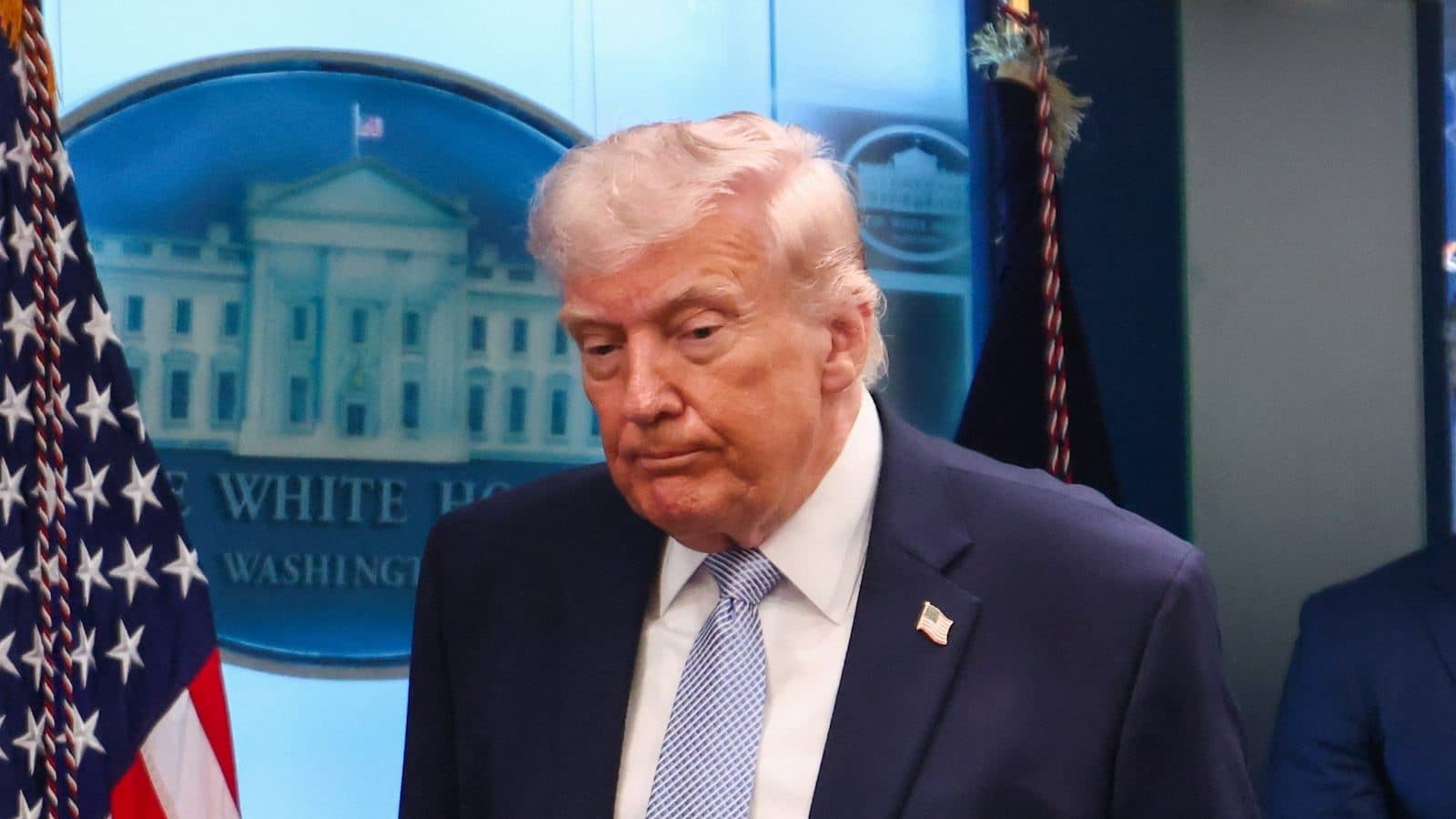
President Donald Trump’s approval rating just hit a record low for his second term, sliding to a dismal 34% in the latest Reuters/Ipsos data. If you think that’s just partisan noise, look closer at the cross-tabs. Even among the GOP base, the cracks are widening. For the first time in years, the "America First" promise is colliding with the reality of $5 gas and a supply chain that feels like it’s held together by scotch tape.
The disconnect is jarring. The administration talks about nuclear enrichment and "zero enrichment" demands, but voters are talking about the fact that their monthly PCE (Personal Consumption Expenditures) index is climbing faster than their wages. When the war started, there was a brief "rally 'round the flag" moment. That's gone. Now, it’s just expensive.
The Economic Price of Gunboat Diplomacy
The conflict hasn't stayed "over there." It’s in every gas station and supermarket aisle in the country. Since the blockade of the Strait of Hormuz intensified this April, oil markets have been in a tailspin. We’ve seen West Texas Intermediate (WTI) crude oil peak near $94 per barrel, and some analysts at the Dallas Fed warn that if the Strait remains closed through the summer, we could see $132 or even $167.
That isn't just a number on a ticker. It’s a tax on every person who drives to work. In the recent AP-NORC polling, a staggering 88% of voters say they’ve noticed significant increases in gas prices. Only 22% approve of how the President is handling the cost of living. You can’t win a PR war when four out of five people think you're failing their wallet.
- Inflation is the real enemy: Headline inflation is projected to rise by 1.7 percentage points this quarter alone because of the energy spike.
- Supply chain jitters: The maritime "trial of strength" between the U.S. Navy and Iranian seizures of commercial ships has made shipping insurance premiums skyrocket.
- The "Invisible" Tax: Higher fuel costs for trucks mean higher prices for bread, milk, and eggs.
Why the GOP Base is Flashing Red
The most dangerous sign for Trump isn't the disapproval from Democrats—that's a given. It’s the rebellion among Republicans under 45.
Usually, the GOP is a monolith on national security. Not this time. About 6 in 10 young Republicans now say they disapprove of the administration’s handling of the cost of living. They grew up in the shadow of "forever wars" and they’re much less likely to trade their financial stability for a protracted naval blockade in the Persian Gulf.
I’ve talked to voters who say they still support the idea of a strong America, but they don't see how a two-week "conditional ceasefire" helps them pay their rent. The Islamabad talks, mediated by Pakistan, have stalled over nuclear enrichment demands. To the person struggling to afford a used car, "zero enrichment" sounds like a technicality; "zero dollars left at the end of the month" is a crisis.
The Middle East Stalemate
Let’s be honest: the strategy of "ceasefire on one front, pressure on the other" is confusing the public. On one hand, the President claims he’s "not thrilled" with the talks. On the other, he’s extending deadlines for Iran to submit proposals. It feels like a limbo that nobody asked for.
While the U.S. Treasury claims Iran is running out of oil storage on Kharg Island, Iran is still managing to sneak tankers past the blockade. Vortexa reports suggest over 10 million barrels of Iranian crude have leaked out despite the U.S. "chokehold." If the blockade isn't absolute, and the war isn't over, what exactly are we paying for?
The Approval Breakdown
| Group | Approval Rating (April 2026) |
|---|---|
| Overall | 34% |
| Economy | 30% |
| Cost of Living | 23% |
| Young Adults (Under 45) | 28% |
| Hispanic Adults | 25% |
The data shows a presidency in a defensive crouch. Even the usual strengths—immigration and crime—are being overshadowed by the sheer weight of the economy. When 73% of people say inflation is the top issue, nothing else really matters.
What Happens if the Ceasefire Fails?
If the current ceasefire expires without a deal on nuclear material, we aren't just looking at more airstrikes. We’re looking at an economic cliff. The Dallas Fed’s worst-case scenario involves a three-quarter closure of the Strait, which would push core inflation up by nearly half a percent and send 1-year inflation expectations into a spiral.
The administration seems to believe they have "time on their side," but the polls suggest otherwise. The midterms are looming, and the "silent majority" is becoming very loud about their grocery bills.
If you're trying to protect your own finances during this volatility, stop waiting for a diplomatic breakthrough. Hedge against energy costs where you can. Diversify your investments away from sectors heavily reliant on global maritime trade, because this "gunboat diplomacy" isn't ending next week. Watch the WTI crude prices; if they cross the $110 mark, expect another double-digit drop in presidential approval and a corresponding spike in retail prices. The war in Iran might be happening thousands of miles away, but it’s being won—or lost—at your local checkout counter.