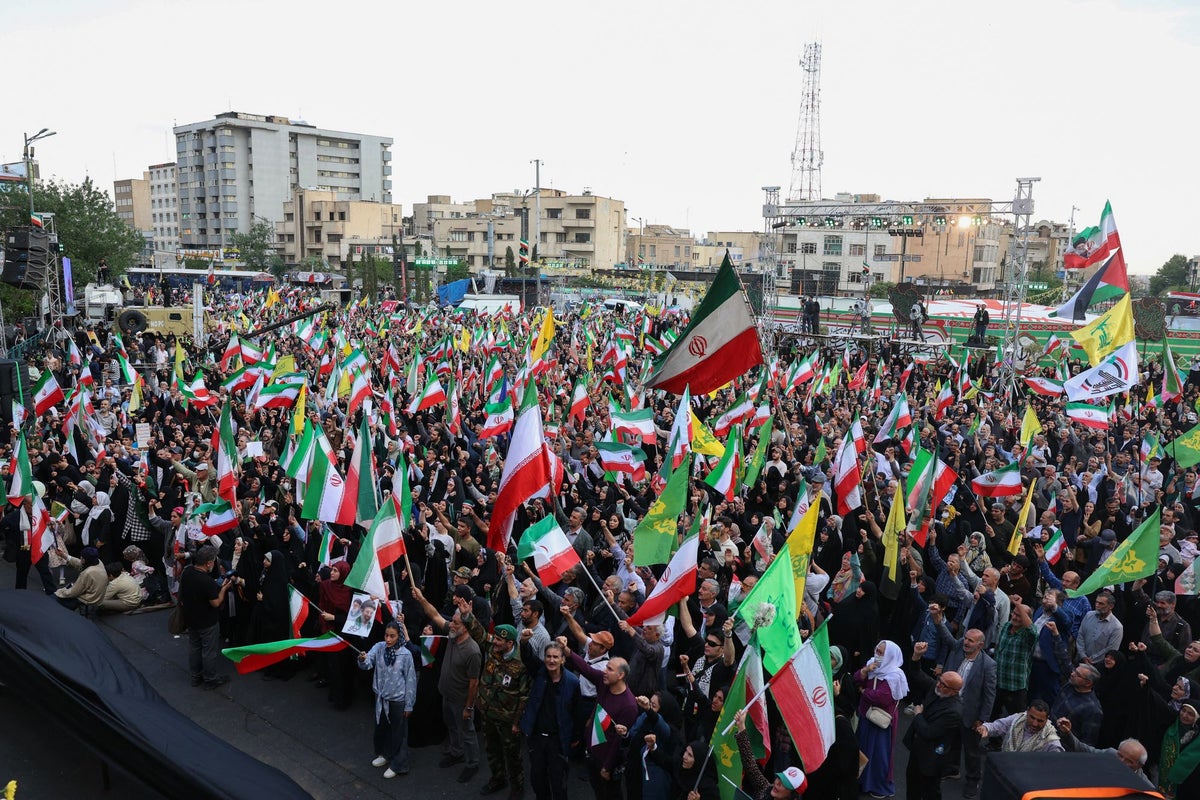
The 60-day clock is ticking, but the White House says the timer just vanished. On May 1, 2026, President Trump faces a massive legal wall: the War Powers Resolution. This 1973 law says a president has 60 days to fight a war before they have to ask Congress for permission or pack up and leave. But instead of asking for a vote he might lose, the Trump administration is trying a bold, some say desperate, legal maneuver. They’re arguing the war with Iran is effectively "terminated" because of a recent ceasefire.
It’s a classic case of Washington word games with high-stakes consequences. By claiming the hostilities ended with the April ceasefire, the administration thinks it can bypass the deadline entirely. If there’s no "active" war, they argue, there’s no need for congressional approval. It’s a move that has constitutional scholars pulling their hair out and Democrats ready to sue.
The 60 Day Trap
The War Powers Resolution was born from the disaster of the Vietnam War. Lawmakers wanted to make sure no president could drag the country into a forever war without the people's representatives signing off. Trump sent the official notification to Congress on March 2, 2026, after the initial strikes against Iranian targets and the killing of Ayatollah Ali Khamenei. That notification started a countdown that ends today.
Under the law, the president has three choices when that 60-day window closes:
- Get a formal declaration of war or authorization from Congress.
- Ask for a one-time, 30-day extension to safely withdraw troops.
- Stop the fighting and pull back.
Trump isn’t doing any of those. Instead, Defense Secretary Pete Hegseth told the Senate that the administration's "understanding" is that the clock paused when the shooting stopped. Basically, they're treating the war like a DVR recording—they hit pause on the remote, and they think the timer shouldn't count the commercials.
A Ceasefire or a Loophole
The reality on the ground is messier than the legal briefs suggest. Yes, there's been a ceasefire since early April. No, the US and Iran haven't traded missile strikes in a few weeks. But the conflict hasn't exactly vanished into thin air.
The US Navy is still maintaining a massive blockade to keep Iranian oil tankers from reaching the open sea. Iran is still holding a "chokehold" on the Strait of Hormuz. Just last night, air defenses were screaming over Tehran to intercept drones. To any person with eyes, the war looks very much alive. But in the eyes of White House lawyers, it's a "terminated" conflict.
Critics like Katherine Yon Ebright from the Brennan Center aren't buying it. She pointed out that nothing in the 1973 law allows for a "pause" button. Once you notify Congress and the clock starts, it runs until the mission is actually over. The administration’s argument is a "sizeable extension of previous legal gamesmanship," and it sets a dangerous precedent. If a president can just call a "timeout" every 59 days, the War Powers Act becomes a piece of scrap paper.
The GOP Split
You’d expect Democrats to be outraged, and they are. Senator Tim Kaine and others have been forcing votes to stop the war for weeks. What’s more surprising is the crack forming in the Republican wall.
Senator Susan Collins of Maine voted with Democrats yesterday to curb the conflict, stating flatly that the deadline "is not a suggestion; it is a requirement." Even those who support the mission are getting tired of being sidelined. They want a say in the strategy, the budget, and the endgame. Right now, the war has already cost $25 billion, and the Pentagon is coming back for more.
Some Republicans are trying to give Trump a face-saving exit. There’s talk of rebranding the mission as "Epic Passage"—a new operation focused purely on "self-defense" and "freedom of navigation" in the Strait of Hormuz. The idea is that if you change the name of the operation, you can reset the clock. It’s a bit like a restaurant closing for one night and reopening as a "new" business to avoid a health inspection.
Why This Matters for the Rest of 2026
This isn’t just a debate for law professors. It’s about who has the power to send Americans into combat. If Trump successfully "terminates" the war on paper while keeping the blockade and the troops in place, he’s effectively rewritten the Constitution’s balance of power.
The administration is essentially betting that Congress is too slow and too divided to do anything about it. With a narrow Republican majority in both houses, they might be right. But the longer this legal limbo lasts, the higher the risk of a miscalculation. A single drone strike or a naval skirmish could shatter the ceasefire and force a confrontation that neither side is legally prepared for.
If you’re watching this play out, keep an eye on the funding. Congress might not be able to pass a War Powers Resolution that survives a veto, but they control the "power of the purse." If the money for the Iran mission isn't authorized in the next budget cycle, the administration's legal theories won't matter much. Without cash, the "terminated" war will have to end for real.
Watch for the administration to quietly transition to "Operation Epic Passage" in the coming days. It’s their most likely path to keep the ships in the water without admitting they’re breaking the law. If that happens, expect a long, messy summer of court battles over whether a name change is enough to dodge the 60-day limit.



