The white-hot rhetoric coming out of Washington isn't just standard diplomatic bluster anymore. Speaking directly to media outlets this week, Donald Trump stated flatly that he is considering a "massive attack" on Iran—one "bigger than ever before". His reasoning? In his own words, Iranian leadership hasn't "received enough pain yet" to sit down and accept American terms.
That phrasing tells you everything you need to know about the current foreign policy playbook. It rests entirely on maximum pressure, brute coercion, and the belief that any nation will bow if hit hard enough. But looking at the trajectory of the ongoing military strikes and counter-strikes across the Persian Gulf, a uncomfortable reality emerges: the strategy isn't working, and the White House is running out of exits. Meanwhile, you can find other events here: Why Congress Keeps Surrendering Its Power to Stop War With Iran.
The Logic of Infinite Escalation
The theory behind carpet-bombing command posts, targeting dual-use bridges, or striking power grids is simple on paper. You inflict economic and structural damage until the adversary calculates that continuing the fight costs more than surrendering.
Secretary of State Marco Rubio captured this philosophy perfectly when explaining the administration's stance, noting that while Tehran's doctrine might be an "eye for an eye," Washington's approach is a "head for an eye". The goal is total asymmetry. To see the full picture, we recommend the excellent article by The Washington Post.
Escalation Cycle:
U.S. Strikes Infrastructure -> Economic Shock -> Regional Proxies Intervene -> U.S. Escalates
Yet, history shows that nation-states under existential threat rarely follow rational cost-benefit analyses written in Washington. Instead of forcing Tehran to the bargaining table, intense pressure tends to harden domestic resolve and empower hardliners within the Islamic Revolutionary Guard Corps (IRGC).
When you tell a nation they haven't felt enough pain, you aren't incentivizing them to talk. You're telling them that quiet compliance leads to defeat anyway, so they might as well turn the region into a broader conflict.
When Economic and Energy Markets Recoil
Military decisions don't happen in a vacuum. The moment rumors of a major operation start floating around Capitol Hill, global commodity markets react violently.
- Crude oil prices spiked past $100 a barrel as traders braced for disruptions near the Strait of Hormuz.
- Maritime insurance premiums for commercial tankers operating in the Red Sea and Persian Gulf have shot up, crippling vital maritime transit.
- Gulf allies, including Saudi Arabia and the UAE, find their energy infrastructure directly exposed to retaliatory drone and missile salvoes.
The economic feedback loop is swift. Higher oil prices fuel domestic inflation in the West, irritating voters who are already weary of overseas entanglements. It’s an "escalation trap". If the U.S. steps back without a clear victory, it looks weak; if it doubles down with a "massive attack," it risks dragging the global economy into a prolonged shock.
Misreading Proxy Dynamics and Regional Realities
Another core flaw in the current strategy is treating every group in the region as a simple puppet on a string controlled directly from Tehran.
When Houthi forces launched fresh strikes on oil tankers in the Red Sea, the immediate U.S. response was to hold Iran accountable and threaten immediate punishment. While Tehran certainly provides weaponry and financial backing to its allies, these groups maintain their own local agendas, ideological motivations, and operational command structures.
Bombing infrastructure in Iran won't automatically stop a drone launch from a hidden ridge in Yemen. In fact, wider regional instability gives non-state actors more leeway to operate, not less.
Furthermore, relying on allies like Israel to jump into an expanded military campaign "in two minutes" overlooks the massive diplomatic fallout. A joint, large-scale air campaign across multiple borders completely shuts down quiet backchannel mediation efforts led by regional actors like Oman or Pakistan. It trades a tough diplomatic path for a quick military gamble that rarely ends quickly.
How to Assess What Comes Next
Understanding these geopolitical maneuvers requires looking past the daily headlines and watching key operational indicators.
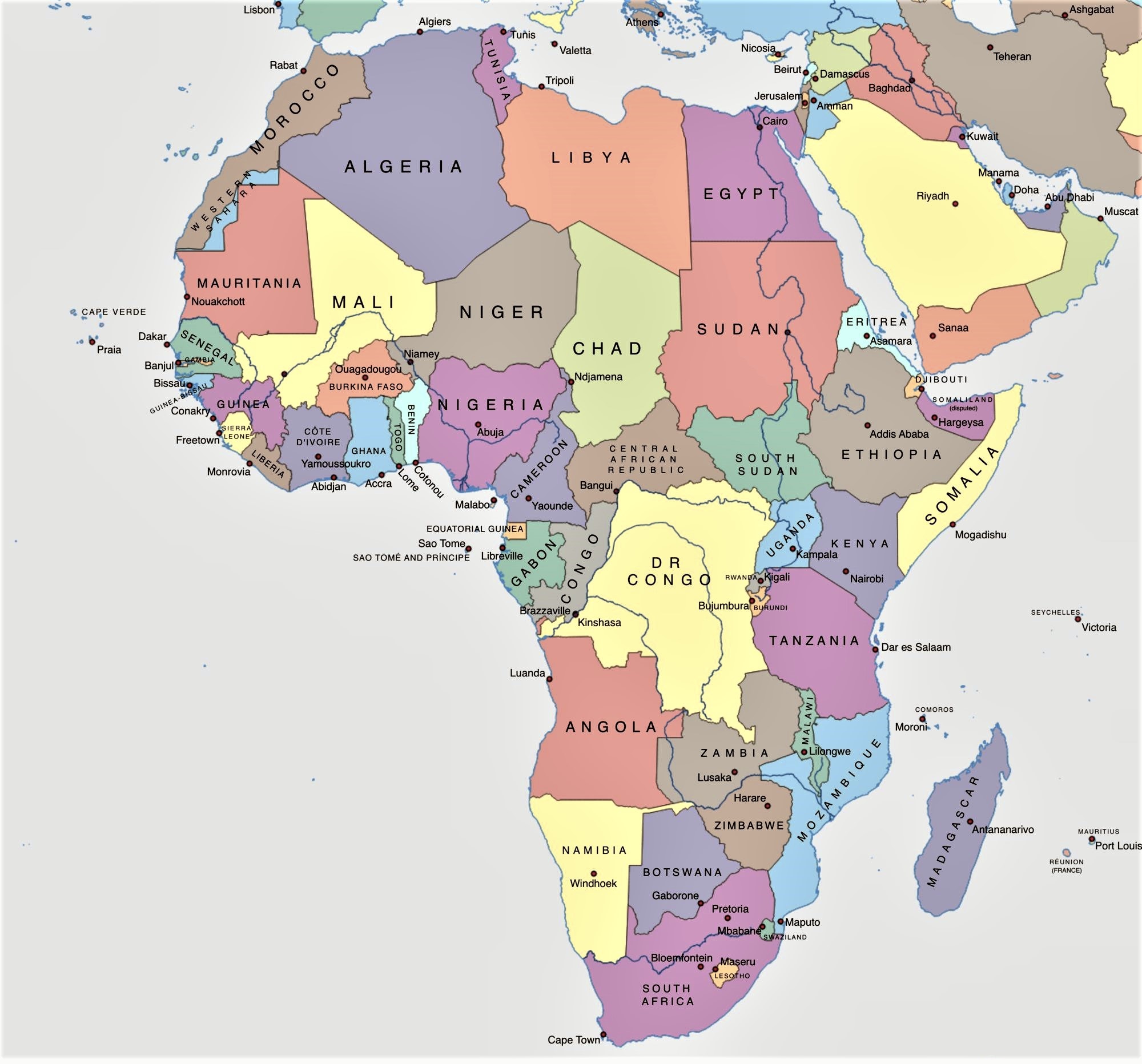
- Watch energy logistics over official press statements. If commercial shipping lines begin rerouting permanently around the Cape of Good Hope, expect long-term supply chain disruptions regardless of what happens in Washington.
- Track congressional action closely. Resolutions attempting to curb executive war powers reveal real friction inside domestic politics, signalling how much political capital remains for open-ended military campaigns.
- Monitor regional infrastructure targets. Moves away from purely military assets toward dual-use civilian sites signal that diplomatic off-ramps have been thoroughly abandoned.
The belief that one more massive strike will force a sudden breakthrough is a recurring mistake in modern foreign policy. Pain alone doesn't build leverage—it just removes any remaining reason for the other side to stop fighting.