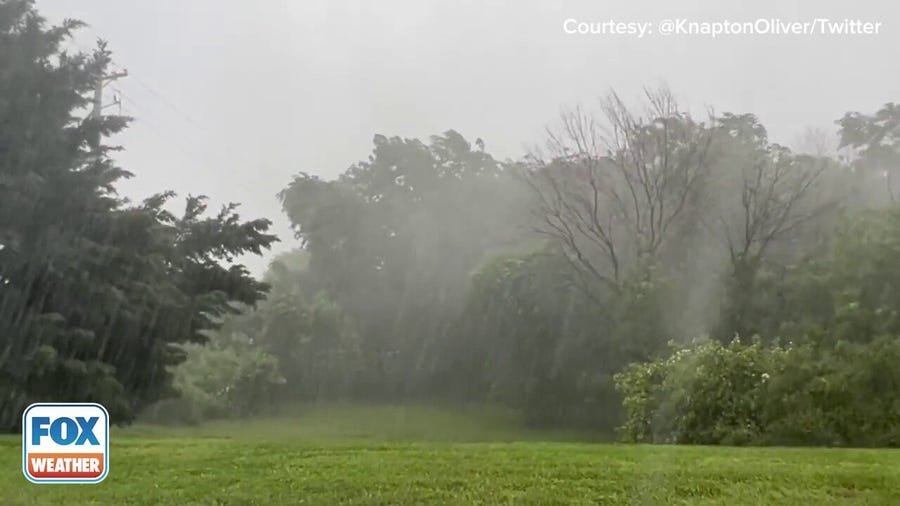
The standard weather report playbooks have already fired off their usual sirens. When Tropical Storm Bertha scraped the coastline, newsrooms rushed to pump out the classic narrative: nature is angry, citizens are helpless victims, and the storm itself is an unprecedented crisis demanding total panic.
They are lying to you. Or, at best, they are lazily recycling a script that shields the real culprits.
A weak tropical storm making landfall with 45 mph winds is not a national catastrophe. It is barely a severe thunderstorm with better marketing. The panic surrounding events like Bertha reveals a uncomfortable truth that municipal leaders and media outlets refuse to admit: our coastlines are not being devastated by extreme meteorology. They are collapsing under the weight of catastrophic urban planning, decayed drainage networks, and a media ecosystem that monetizes panic instead of accountability.
Stop blaming the sky for disasters engineered on the ground.
The Myth of the Unprecedented Storm
Look at the post-storm reporting for Bertha. The focus is almost exclusively on rainfall totals and wind gusts, framed as if these numbers represent an unmitigated assault by the elements.
Let us look at the actual physics. Tropical Storm Bertha was a mid-tier atmospheric event. It brought routine rainfall and wind speeds that any modern building code should laugh at. Yet, within hours of landfall, streets transformed into rivers, power grids flickered out, and emergency services were overwhelmed.
The media calls this a natural disaster. An insider calls it a deferred maintenance tax.
When 2 to 4 inches of rain paralyzes a major metropolitan zone, the storm did not break the city. The city was already broken; the water just made it visible. We have paved over millions of acres of natural wetlands—nature’s native sponge—and replaced them with impermeable concrete and cheap asphalt. Then, when that water has nowhere to go except into living rooms, officials hold press conferences wringing their hands about unpredictable weather.
I have spent years analyzing municipal infrastructure risk and public safety logistics. The pattern never changes. Local governments ignore storm-water upgrades for decades because buried pipes do not win votes. Shiny new tax-funded projects win votes. Then, when a standard tropical system rolls in, they declare a state of emergency, request federal bailouts, and blame nature. It is the ultimate get-out-of-jail-free card for institutional incompetence.
The Media's Perverse Incentive Structure
Why does the media amplify this narrative? Follow the money.
A headline reading "Tropical Storm Bertha Approaches: Expect Mild Flooding in Poorly Maintained Neighborhoods" does not generate ad revenue. It does not keep viewers glued to a 24-hour news stream.
Instead, networks deploy reporters to stand in ankle-deep water on a beach, leaning dramatically into a breeze to sell the illusion of total chaos. They rely on fear to drive engagement. By framing every minor tropical system as a existential threat, they create a perpetual state of hyper-arousal.
This creates a dangerous dynamic known as alarm fatigue. When every tropical storm is reported with the same apocalyptic gravity as a Category 5 hurricane, the public tunes out. When an actual, catastrophic weather event hits, people ignore the evacuation orders because they have been lied to a dozen times before by news channels hyping up glorified rainstorms.
The Brutal Economics of Coastal Overdevelopment
We need to talk about the financial incentives driving people into harm's way.
For decades, federal policy and subsidized flood insurance programs have encouraged reckless real estate development in high-risk coastal zones. Developers build cheap sub-divisions on drained marshlands, take their profits, and walk away. The buyers are left holding the bag, operating under the false assumption that because a home was built, the area must be safe.
It isn't.
+-------------------------------------------------------+
|              THE COASTAL DEVELOPMENT TRAP             |
+-------------------------------------------------------+
|  1. Developers drain wetlands & build low-cost units   |
|  2. Municipalities collect higher property tax bases   |
|  3. Subsidized insurance hides the true risk profile  |
|  4. Minor storm hits -> Infrastructure fails          |
|  5. Taxpayers fund federal buyouts & rebuilding       |
|  6. Repeat process on the same vulnerable ground      |
+-------------------------------------------------------+
When Bertha dump rain on these developments, the drainage systems fail not because the storm was too big, but because the systems were never sized correctly to handle basic water displacement once the natural soil was paved over.
We are subsidizing environmental real estate suicide. Until we force developers and coastal cities to bear the full financial cost of their infrastructure decisions—without federal bailouts stepping in to reset the game every time a tropical storm passes through—we will continue to see minor weather events cause major economic damage.
How to Actually Fix Coastal Infrastructure
If we want to stop drowning every time a name is assigned to a rain cloud, we have to throw out the current management strategy.
First, stop building in natural floodplains. Period. No amount of retention ponds or concrete channels will ever out-perform a healthy, functioning coastal wetland.
Second, pivot from defensive engineering to green infrastructure. Cities like Amsterdam learned long ago that trying to block water with bigger walls is a losing battle. You have to design spaces that are built to flood. Parks, plazas, and sunken urban fields designed to safely hold millions of gallons of surge water during a storm, then release it slowly once the system clears, are far cheaper and more effective than upgrading thousands of miles of subterranean pipe.
Third, reform the National Flood Insurance Program to reflect true actuarial risk. If it costs ten times more to insure a home on a barrier island than a home five miles inland, the premium should reflect that reality. Stop asking inland taxpayers to subsidize luxury beach houses built on moving sandbars.
Tropical Storm Bertha was not a wake-up call. We have had hundreds of wake-up calls. It was a mirror reflecting a broken, reactive system that prefers drama over engineering.
Stop watching the radar. Start looking at your city council's infrastructure budget. That is where the real disaster was written.