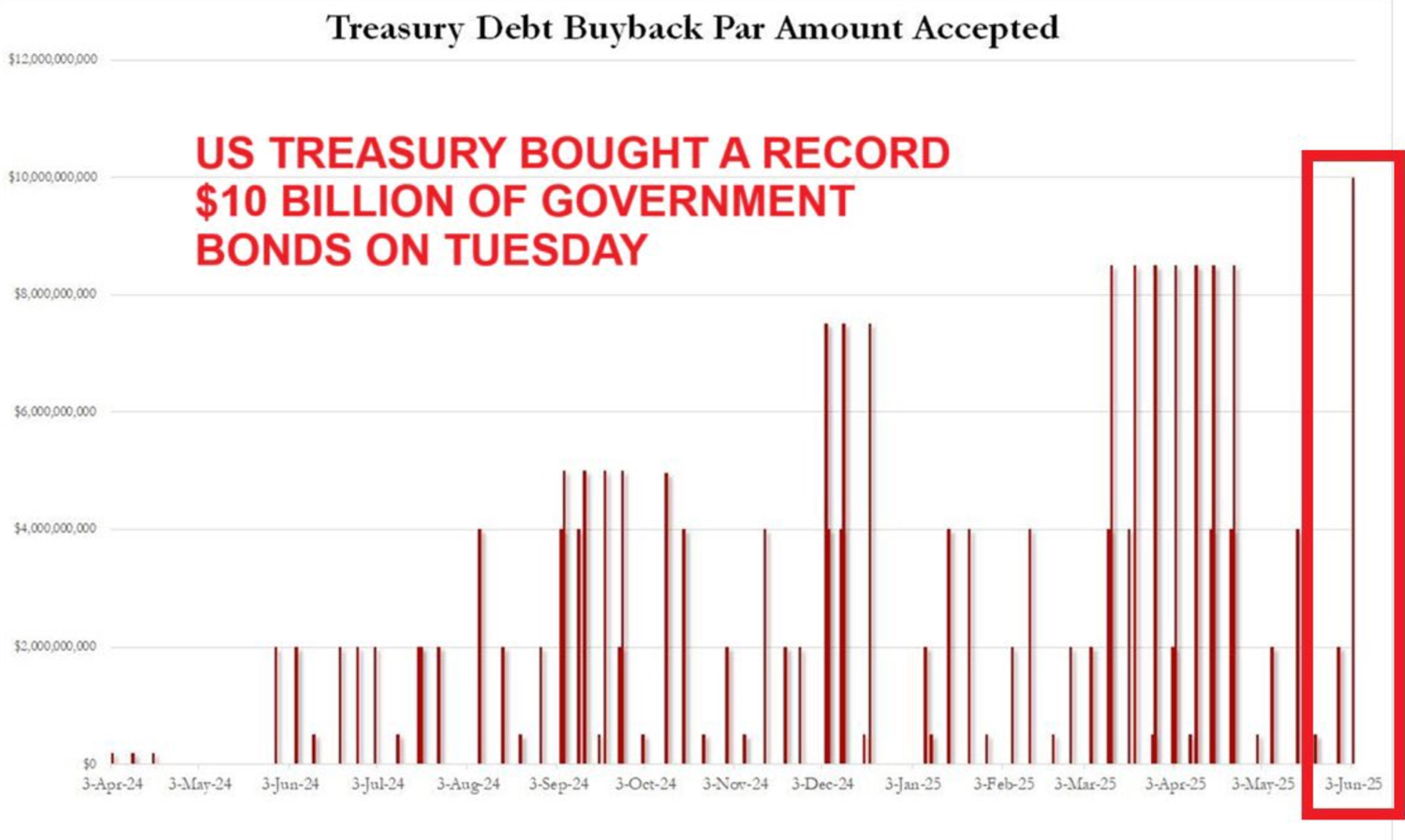
When the Treasury Department doubles down on debt buybacks, Wall Street listens. Borrowing costs recently surged to heights not seen in nearly two decades, pushing the 30-year Treasury yield past 5.3%. Traders panicked, mortgages climbed, and markets started sweating. Then Washington stepped in. By announcing plans to buy back at least $4 billion per operation in longer-dated debt, the Treasury temporarily halted a brutal bond sell-off.
If you think this is just standard bureaucratic housekeeping, you're missing the bigger picture. Understanding how these buybacks actually affect your financial life requires looking past the daily headlines.
The Mechanics Behind the Buyback Relief
Let's clear up a common misconception right away. Treasury buybacks are not a bailout, and they aren't quantitative easing. Instead, the program is designed to inject liquidity into specific corners of the government debt market where trading has grown clunky.
When the Treasury repurchases older, less liquid bonds—particularly in the 10-to-30-year sectors—it provides a reliable buyer. This active management helps smooth out pricing anomalies.
- Operations scale up to $4 billion per auction starting in September.
- Targeted maturities span the 10-year to 30-year range.
- The primary goal is improving day-to-day market liquidity, not erasing the national debt.
Traders reacted instantly to the news. The 30-year yield tumbled from its peak of 5.33% down toward 5.18%, while 10-year yields retreated below 4.65%. For anyone shopping for a mortgage or managing corporate debt, that brief drop offered a welcome breather from runaway borrowing expenses.
Why Long-Term Yields Refuse to Stay Down
Buying back a few billions worth of bonds sounds impressive, but it doesn't solve the underlying math problem. Total U.S. public debt has officially blown past the $40 trillion mark. Every single month, the government has to issue a mountain of fresh debt to keep the lights on.
Heavy government borrowing collides daily with sticky inflation figures and massive capital demands from artificial intelligence infrastructure projects. When the supply of bonds swamps buyer demand, prices fall and yields naturally creep back up.
Federal Reserve officials remain split on the path forward, too. While the Treasury tries to cap longer-term yields through market operations, central bankers are staring down inflation prints that refuse to settle neatly at the 2% target. If price pressures persist, expect the Fed to keep short-term rates restrictive, complicating any straightforward path to cheaper credit.
What This Means for Your Money
Markets hate uncertainty, but they love active intervention. The Treasury's willingness to lean against the wind proves that policymakers won't just sit back and watch a disorderly debt market unwind.
However, you shouldn't mistake a tactical reprieve for a permanent cure. Long-term interest rates will likely remain volatile as long as fiscal deficits stay wide.
If you're locking in a mortgage, buying corporate bonds, or managing a fixed-income portfolio, watch the auction sizes closely. Pay attention to how smoothly primary dealers absorb new debt issues. Keep your duration risk managed, and don't assume that government buybacks will single-handedly force interest rates back down to pandemic-era lows.