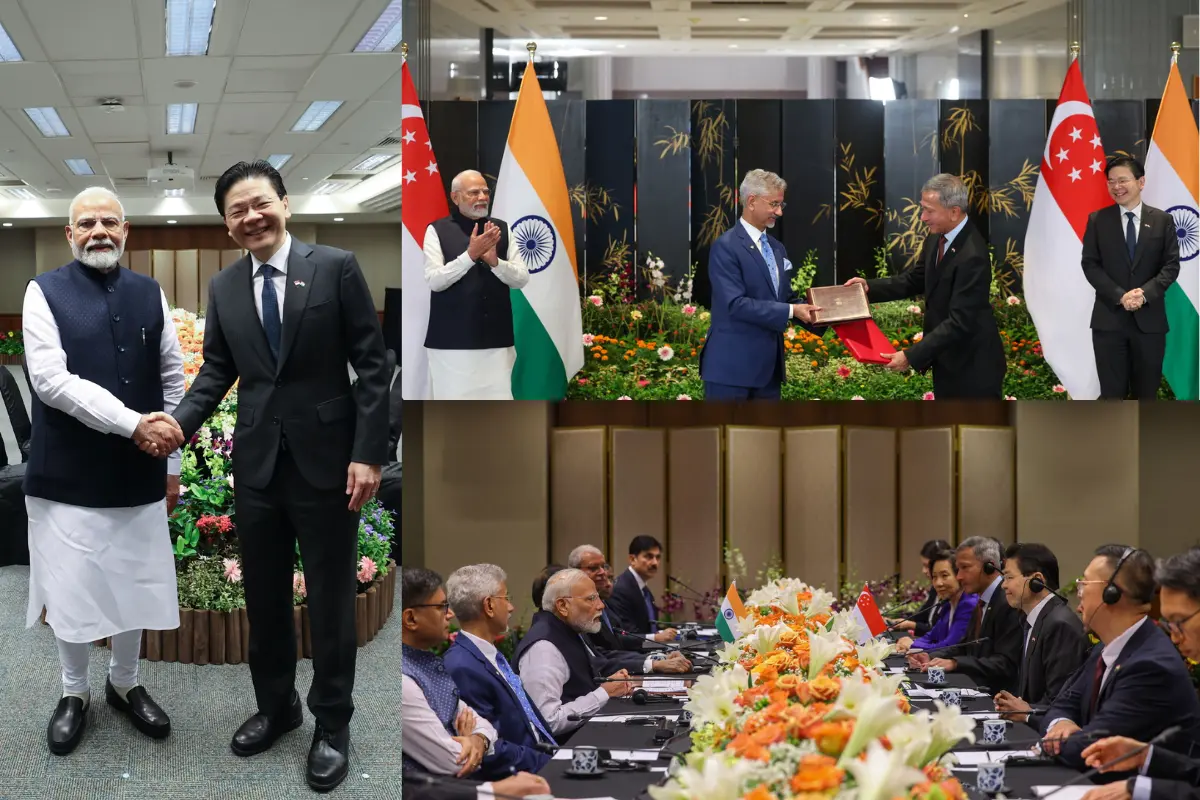
Every few months, a government official packs a private jet, rounds up a massive delegation of executives, and flies off to a financial hub for a three-day charm offensive. Headlines trumpet the arrival of a seventy-person business entourage. Press releases sing songs about strategic partnerships, bilateral synergies, and unlocking regional potential.
It is theatre. Pure, unadulterated economic theatre.
I have watched companies burn millions on these junkets, chasing photo-ops with cabinet ministers while their actual balance sheets bled back home. The lazy consensus says these massive delegations build bridges, grease the wheels of commerce, and pave the way for foreign direct investment.
The consensus is wrong.
The Delegation Illusion
Let us look at the mechanics of a seventy-person trade mission. You have a handful of genuine exporters who already have market penetration, dragging along a dozen hangers-on, industry association reps, and mid-tier executives who treat the trip as an all-expenses-paid corporate vacation.
Do deals get signed on these trips? Occasionally. But do they happen because of the delegation, or in spite of it? Corporate expansion happens in boardrooms, through rigorous due diligence, supply chain security, and local tax structuring. It does not happen because a trade minister shook hands with a local counterpart under the flashing lights of international press corps.
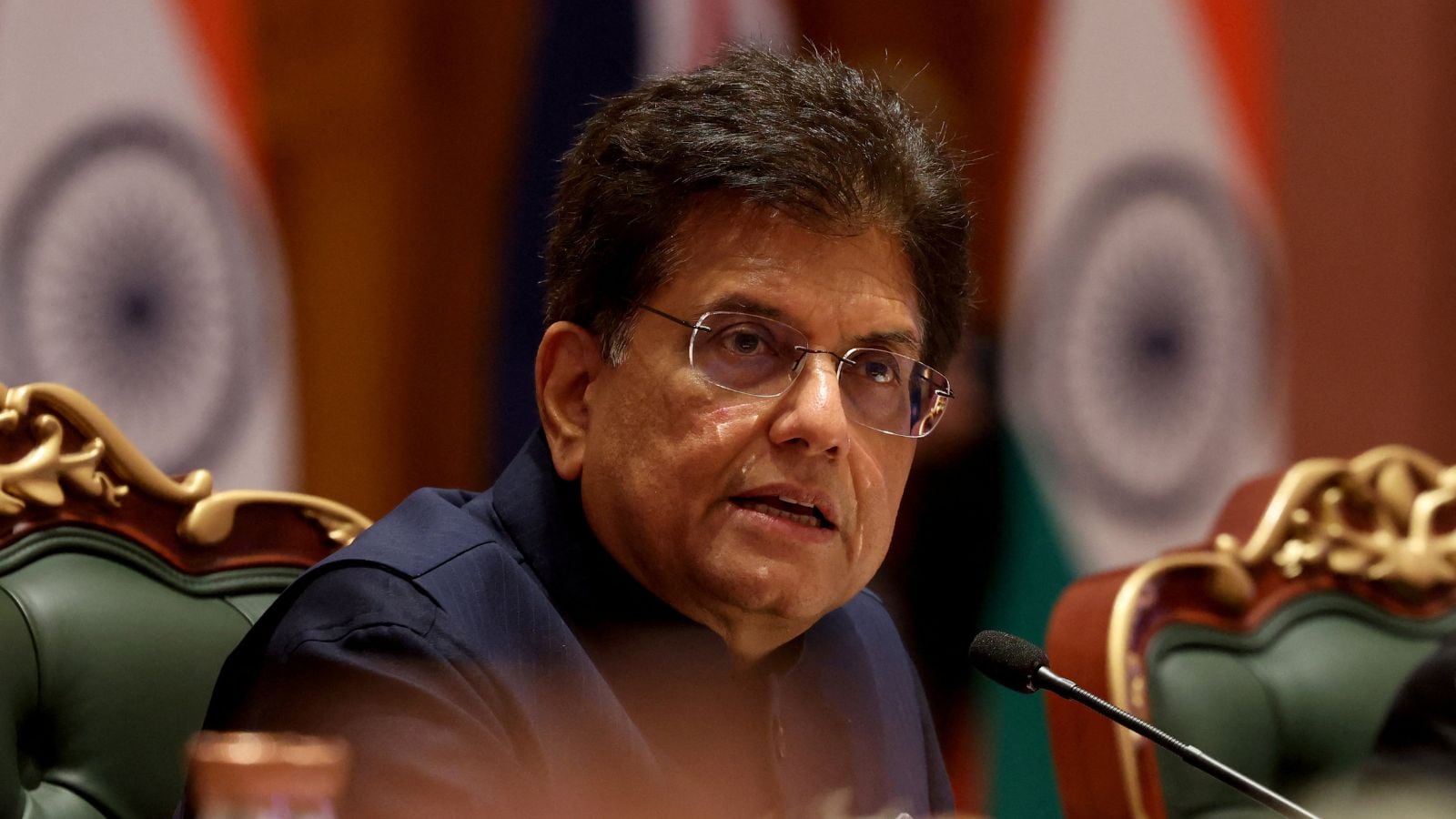
When Piyush Goyal leads a massive delegation to Singapore, the media focuses on the sheer headcount. Seventy business leaders! A massive push into Southeast Asia! But headcount is a vanity metric. If seventy people fly to Singapore and return with zero binding commercial contracts, memorandum of understanding paperwork that never turns into revenue, and a stack of business cards that end up in desk drawers, you have not facilitated trade. You have thrown an expensive cocktail party funded by taxpayers.
The Singapore Fallacy
Singapore is an easy target for these missions because it looks like a frictionless gateway. It is clean, wealthy, and efficient. But treating Singapore as a final destination rather than a sophisticated regional routing station is a rookie error.
Companies join these delegations thinking a three-day blitz will crack the Southeast Asian market. They spend two days in hotel ballrooms listening to trade commissioners explain regulatory frameworks they could have read on a government website in ten minutes. They spend the third day drinking lukewarm Chardonnay at a networking reception talking to other domestic executives who flew eight hours just to network with people from their own hometown.
Real market entry requires boots on the ground for months, not days. It requires local compliance officers, legal counsel who understand regional labor laws, and logistics networks built brick by brick. A minister can open a door, but he cannot walk through it for you. If your business model cannot survive without a politician holding your hand, your product does not belong in an international market.
The Cost of Access
Proponents of state-sponsored trade tours argue that access is everything. They claim that small and medium enterprises get face time with foreign regulators they could never reach independently.
Let us be brutally honest about access. If a regulator meets you because a minister brought you to their office, they are being polite. Politeness does not convert to customer acquisition. Real commercial viability is measured by whether a foreign enterprise is willing to wire money for your product or service without government intervention.
When you rely on state-backed delegations, you distort your own market feedback. You think you have product-market fit because foreign officials praised your pitch deck at a state-sponsored luncheon. Then you try to sell independently six months later and discover nobody cares.
What You Should Do Instead
Stop waiting for an invitation to join a government junket. If your business is ready to expand internationally, do it with surgical precision.
Skip the seventy-person delegations. Send two operators who speak the language, understand the local regulatory hurdles, and have the authority to sign checks. Rent a modest co-working space in the target market for a month. Hire a local freelance business development consultant who actually has relationships with buyers, not bureaucrats.
Governments should stick to lowering tariffs, securing bilateral trade pacts, and getting out of the way. Businesses should stick to building things people actually want to buy across borders.
Keep your executives home, cut the travel budget, and spend that capital on customer acquisition where it actually matters.