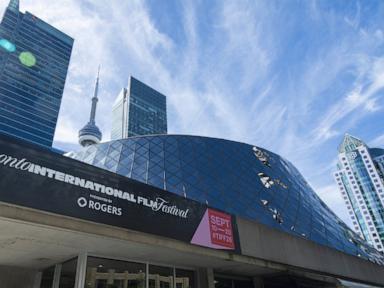
Every September, the press corps descends on King Street West, sips overpriced espresso, and treats the Toronto International Film Festival like a diplomatic summit disguised as a red-carpet gala. When trade tensions flare or tariff threats loom south of the border, the festival narrative instantly defaults to predictable panic. The lazy consensus goes that when Washington and Ottawa posture over trade, cinema suffers, and TIFF becomes the collateral damage of protectionist posturing.
It is a comfortable narrative for festival programmers and trade associations because it shifts the blame outward. It lets everyone pretend that the existential threats facing the film industry are manufactured entirely in political boardrooms by bureaucrats who have never stepped foot inside a screening room.
The truth is much uglier. TIFF is not dying because of a tariff war. It is dying because it refuses to admit that the traditional distribution model is a smoking ruin, and whining about geopolitical posturing is a convenient shield for institutional stagnation.
I have spent the last fifteen years watching studios blow millions on festival acquisitions that generate massive applause in Roy Thomson Hall and zero dollars at the actual box office. I have seen prestige titles bought for seven figures on opening weekend quietly dumped onto streaming services three months later with less marketing fanfare than a mattress sale.
When you look past the industry hand-wringing over international trade, you find a festival circuit addicted to vanity metrics, propped up by municipal subsidies, and terrified of structural reality.
The Myth of the Geopolitical Cinema Crisis
Let us dismantle the core premise of the trade-war panic. The argument states that tariffs, cross-border friction, and nationalist economic policies strangle the flow of co-productions between Canada and the United States, starving independent cinema of oxygen.
This argument treats the film business as if it were heavy manufacturing, where a ten percent levy on steel plates directly translates to fewer finished cars rolling off the assembly line. Cinema does not work that way. Art capital is notoriously fluid. If a production wants to find tax credits, it relocates to Georgia, Budapest, or Vancouver in forty-eight hours.
The real friction is not happening at customs checkpoints. It is happening in the friction-free scroll of a smartphone screen.
When a major festival wring its hands over international trade tensions, it is usually because attendance numbers or studio acquisition budgets are soft. Rather than admitting that buyers have finally realized eighty percent of the indie slate is commercially unviable trash that audiences refuse to pay for, executives blame the macro environment. It is much easier to rail against protectionist trade policy than to admit your curation strategy alienated everyone under forty.
What People Get Wrong About Festival Acquisitions
Every autumn, trade publications churn out breathless pieces asking whether international buyers will show up with checkbooks ready. This frames festival acquisitions as a barometer of industry health.
It is completely backwards.
A bidding war at a major festival has almost zero correlation with consumer demand. It is a closed-loop casino game played by exhausted studio acquisition executives who are terrified of missing out on the next breakout indie, driven more by peer pressure and ego than actual market math.
Look at the data from the past decade of festival premieres. The vast majority of films that spark late-night bidding wars never recoup their acquisition costs, let alone their marketing budgets, once they hit theaters. The studios are not being choked out by trade wars; they are being choked out by their own irrational exuberance in overpaying for films that appeal exclusively to festival juries and elite tastemakers.
When trade tensions rise, studio boards do not cut indie acquisitions because of steel tariffs. They cut them because the return on investment on prestige indies has been underwater for a decade. Blaming geopolitics is just good cover for fiscal discipline that should have happened years ago.
The Structural Rot No One Wants to Name
If you want to understand why TIFF bristles at external pressures, look inward at the economic model of the festival itself. It relies on a three-legged stool that is actively splintering: municipal tourism subsidies, studio-funded parties, and ticket sales from aging locals who treat seeing a movie as a civic duty rather than an entertainment choice.
None of these revenue streams have anything to do with artistic merit. They are propped up by inertia.
When trade wars enter the conversation, they serve as a useful distraction from the fact that the consumer base for traditional film festivals is aging out. Younger audiences do not consume cinema as a localized, high-status ritual tied to geographic premieres. They discover films through algorithms, TikTok clips, and midnight streaming drops.
Pretending that a protectionist trade policy is what keeps a twenty-two-year-old from buying a ticket to a three-hour Romanian drama is delusional. The barrier is relevance, not tariffs.
How to Fix the Broken Model
If TIFF and similar institutions want to survive the decade, they need to stop acting like diplomatic victims and start acting like ruthless market operators.
First, kill the red carpet vanity metrics. Stop measuring success by how many Hollywood stars walk past screaming fans and start measuring it by viewer retention, digital engagement, and actual theatrical conversions post-festival.
Second, radically shrink the slates. A festival showing hundreds of films is not curating; it is capitulating to every vanity project that can fill out an application form. True authority comes from ruthless exclusion.
Third, stop blaming Washington and Ottawa for market realities. If a film cannot survive without government subsidies and frictionless cross-border trade, it was likely never meant to find an audience in the first place.
The festival circuit is clinging to a twentieth-century fantasy where geographical proximity to Hollywood glamour guaranteed cultural relevance. That world is gone. The sooner TIFF stops whining about trade wars and starts facing its own obsolescence, the better off cinema will actually be.
Stop funding the symptoms. Fix the product.