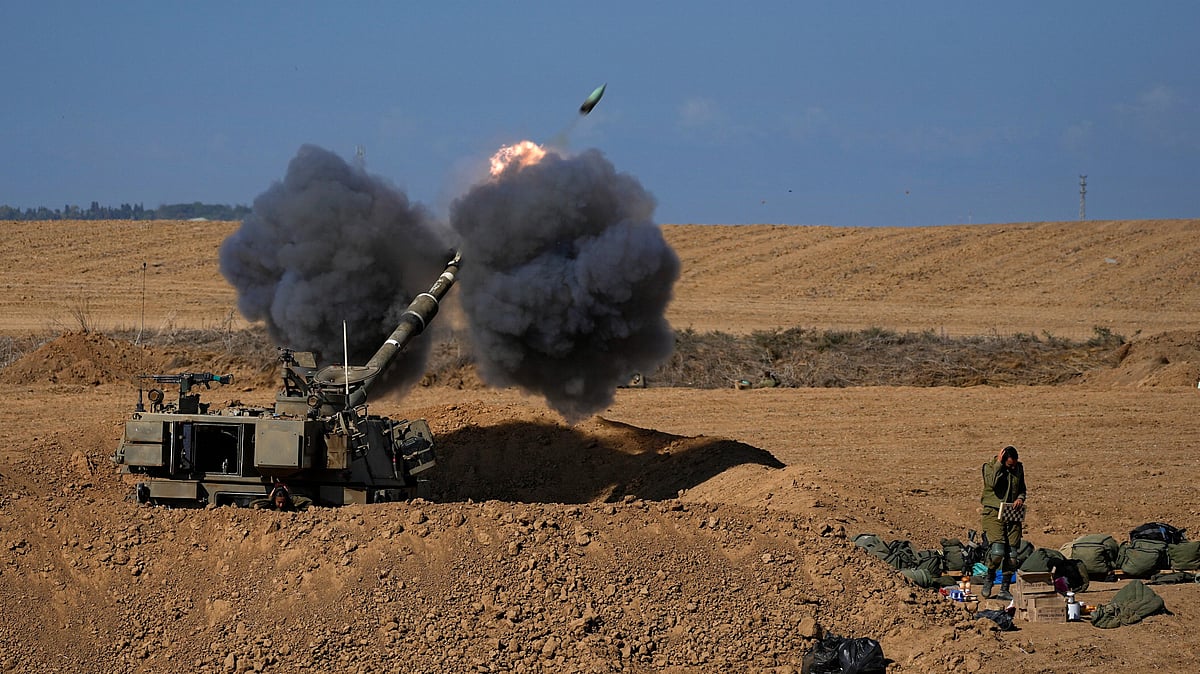
The scale of the violence hitting Lebanon right now is hard to wrap your head around. In just twenty-four hours, 250 people were killed in a series of Israeli strikes that have fundamentally shifted the stakes of this war. It's the deadliest single day the country has seen in decades. This isn't just another exchange of fire across a border. It's a massive, coordinated air campaign that has left hospitals overwhelmed, families displaced, and the international community scrambling for a response that doesn't seem to exist.
If you're trying to figure out how we got here, you've got to look past the daily headlines. The reality is that the conflict between Israel and Hezbollah has reached a tipping point where civilian areas are no longer just "collateral damage"—they're the front lines. The strikes hit more than just military targets. They leveled residential buildings in densely populated neighborhoods, turning quiet streets into craters and dust.
Why This Specific Day Changed Everything
We've seen tensions rise for months, but the sheer volume of these recent strikes represents a different strategy entirely. Israel's military claimed they were targeting Hezbollah's weapon caches hidden within homes. Hezbollah responded by firing rockets deeper into Israeli territory. But for the people living in southern Lebanon and the suburbs of Beirut, the "why" matters a lot less than the immediate, terrifying "what."
What we're seeing is a total breakdown of the unofficial rules of engagement that kept this conflict contained for years. Before, both sides mostly stuck to military outposts or uninhabited border zones. That's over. Now, the goal seems to be maximum pressure through maximum destruction. When 250 people die in a day, the message isn't subtle. It's a declaration that the old boundaries are gone.
The Human Cost Behind the Numbers
Numbers are cold. They don't tell you about the father in Tyre who spent six hours digging through concrete with his bare hands. They don't describe the chaos in Beirut’s public hospitals, where doctors are performing surgeries in hallways because every room is full. According to the Lebanese Ministry of Public Health, many of the casualties were women and children who had no way to escape the blast zones in time.
Displacement is the other side of this tragedy. Tens of thousands of people are currently on the move, clogging the highways leading north. They're carrying mattresses on the roofs of their cars and whatever clothes they could grab in five minutes. It’s a humanitarian crisis unfolding in real-time, and honestly, the infrastructure to handle it just isn't there. Lebanon was already struggling with a crippled economy and a broken power grid. This pressure might be the thing that finally snaps it.
The Strategy of Escalation
Israel's command isn't backing down. They've made it clear that their objective is to push Hezbollah away from the border to allow displaced Israelis in the north to return home. It's a clear objective, but the path to getting there is paved with high-explosive munitions. The logic is simple: make the cost of Hezbollah's presence so high that the group, or the Lebanese government, is forced to blink.
On the other side, Hezbollah isn't a group that blinks easily. Their identity is built on "resistance," and every strike on a Lebanese village serves as a recruitment tool and a justification for their next volley of rockets. It’s a cycle that feeds itself. You hit them, they hit you back harder, and the people in the middle pay the tab.
Intelligence Failures and Successes
One thing that stands out about this specific day of strikes is the precision. Israel clearly had high-level intelligence on where specific individuals and assets were located. We're talking about strikes hitting specific floors of apartment buildings. While this shows a high level of technical capability, it raises a massive ethical question: if you know exactly where the target is, but you also know fifty civilians are in the same building, do you still pull the trigger? In 250 cases in one day, the answer was yes.
International Paralysis
The world is watching, but it’s mostly just watching. We've heard the usual calls for "restraint" from Washington and "de-escalation" from Paris. But those words feel hollow when the bombs are still falling. There's a profound sense of paralysis at the UN. No one seems to have a plan that both sides will actually agree to.
Part of the problem is that this isn't just a local fight. It’s a proxy war with deep roots in regional power struggles. As long as the larger players feel they have something to gain from the chaos, the killing will continue. You can't fix a house fire while people are still throwing gasoline on the curtains.
What Happens When Diplomacy Fails
History tells us that these kinds of air campaigns rarely achieve their political goals on their own. You can destroy buildings and kill fighters, but you can't kill an ideology with a drone strike. If anything, the intensity of these attacks is hardening hearts on both sides. The survivors of today's strikes are the ones who will be holding the grudges of tomorrow.
The immediate next step for anyone following this is to monitor the displacement patterns. If the flow of refugees reaches a certain point, it could destabilize neighboring countries, turning a regional conflict into a global one. Keep an eye on the border crossings and the international aid corridors. That’s where the real story of the next few weeks will be written. Don't look for a quick ceasefire; look for how many more "deadliest days" the region can survive before it completely collapses.
If you're looking to help, focus on organizations like the Lebanese Red Cross or Médecins Sans Frontières (MSF). They're the ones actually on the ground in the middle of the smoke. They need supplies, blood donations, and funding right now. Everything else is just talk.



