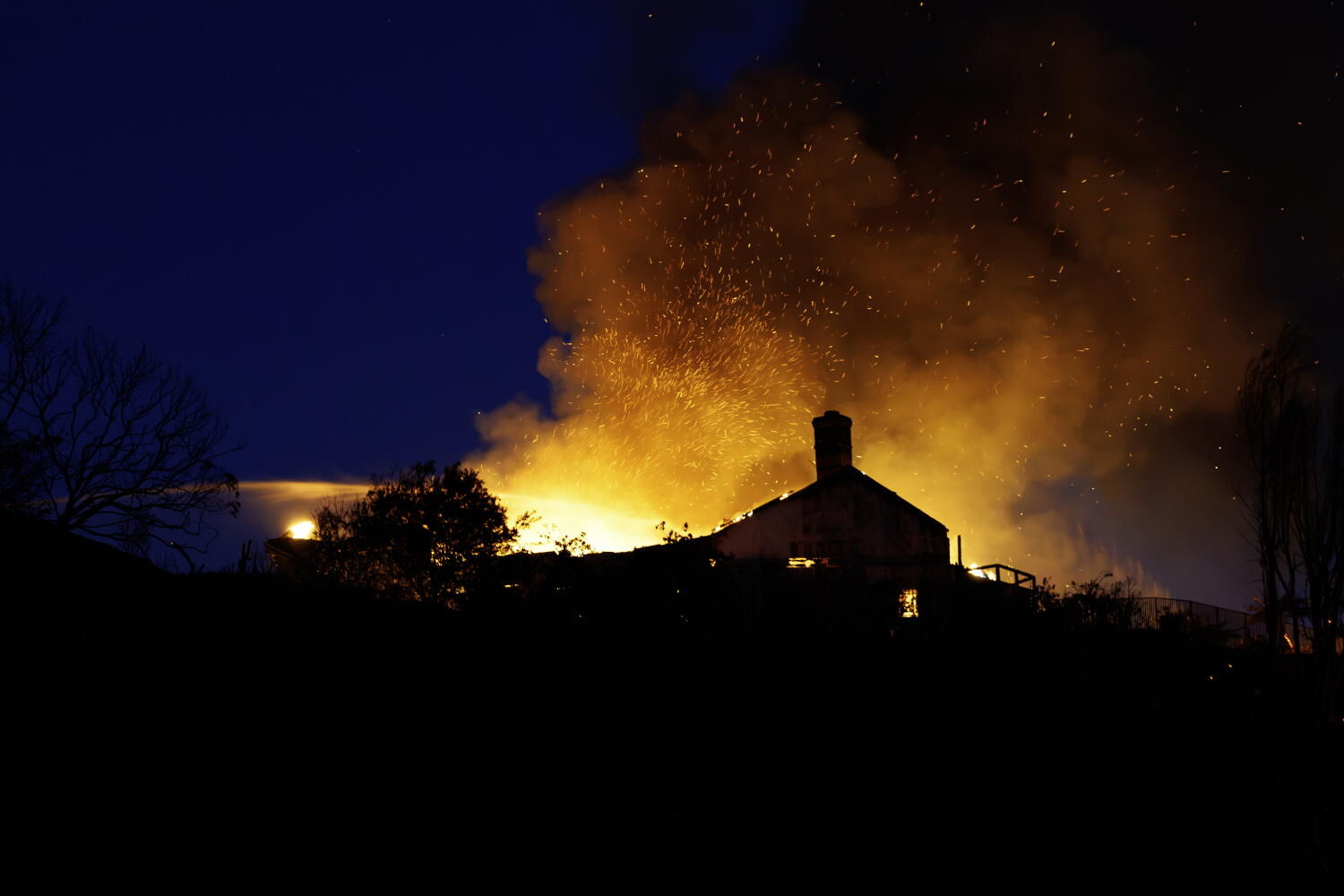
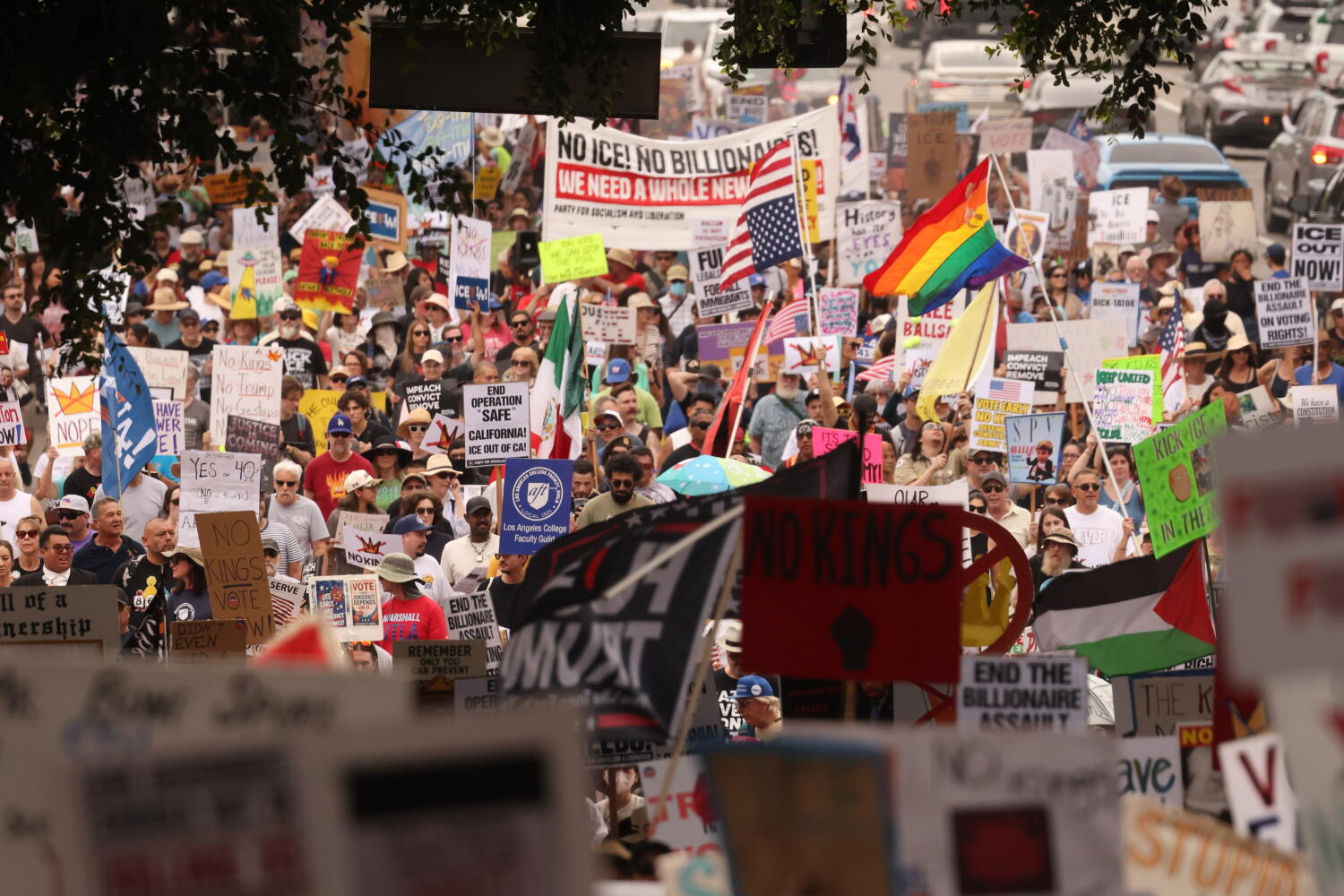
Every western news desk covering the demonstrations in Tirana is playing the same tired track. They roll out the standard footage of tear gas clouds billowing against brutalist concrete facades, frame it as a spontaneous uprising of fed-up citizens, and declare that Albanian democracy is at a critical crossroads. It is lazy, superficial journalism that completely misses the mechanical reality of Balkan political theater.
If you look at these riots through the lens of a classic citizen revolt, you will misunderstand every single thing happening on the ground.
Let us strip away the romanticism of street battles and look at the structural mechanics. Tirana is not experiencing a sudden, organic surge of democratic awakening. What we are watching is a recurring, highly choreographed pressure valve operation. The factions orchestrating these rallies are not trying to overthrow a system; they are negotiating their slice of it. When opposition leaders summon crowds to hurl Molotov cocktails at the prime minister's office, they are not acting outside the political establishment. They are using arson as a lobbying strategy.
I have spent enough time tracking institutional corruption across Southeastern Europe to recognize the smell of manufactured crisis. Real systemic revolts do not follow a weekly schedule, nor do they rely on the exact same party apparatuses that helped build the very oligopolies they claim to oppose.
Consider the standard narrative pushed by international wires. They tell you that mass protests represent the ultimate check on executive overreach. That sounds great in a political science textbook, but it fails empirical reality in transitional democracies. In Albania, political parties are structured less like ideological organizations and more like corporate conglomerates with private security details. When a franchise wants a larger share of public procurement contracts or municipal permits, the street mobilization machinery gets switched on.
This is where the lazy consensus falls apart. Observers assume that every clash between police and protesters weakens the government. Quite the opposite often holds true. Edi Rama’s administration actually benefits from a fragmented, aggressive opposition that alienates moderate voters and drains energy from genuine civil society movements. Every burning tire in Skanderbeg Square hands the incumbent another talking point about stability versus chaos. It gives the ruling party a blank check to frame all dissent as dangerous radicalism, while international partners quietly sigh and decide that stability matters more than reform.
If you want to understand why these protests never yield structural change, look at who funds the logistics and who controls the microphones after the tear gas clears. The faces change on the podiums, but the underlying mechanisms of state capture remain entirely untouched. Protesters are handed signs manufactured by party loyalists to fight a proxy war for patronage networks that care as much about transparency as a cartel cares about consumer protection.
We need to stop pretending that throwing cobblestones at government buildings is an advanced form of political participation. It is a symptom of a political market failure where normal institutional channels are so captured by elite cartels that citizens are reduced to extras in a violent soap opera written by the political class.
The real power struggle in Tirana is not happening in the streets amidst the smoke. It is happening in private backrooms where concessions on infrastructure tenders, judiciary appointments, and media ownership are quietly carved up. The crowds outside are simply providing the sound effects.
Until the public stops confusing theatrical defiance with actual structural disruption, these demonstrations will remain what they have always been: a controlled demolition of hope, designed to shuffle the deck without changing the house rules. Stop watching the smoke. Look at who owns the building.