You don't usually hear about Mocha unless you're ordering a specialized coffee roast. But right now, this dusty Yemeni port city sits near the center of a geopolitical storm that's draining billions from the global economy. Located just seventy kilometers away from the choke point of the Bab el Mandeb strait, Mocha isn't just a dot on a map. It's a flashing red warning light for international shipping, maritime security, and anyone who buys imported goods.
When Iran-backed Houthi forces maneuver around this region, they aren't just staging local skirmishes. They're holding the jugular vein of maritime commerce hostage.
The Geography of Vulnerability
Let's look at the actual map because geography dictates everything here. The Bab el Mandeb strait connects the Red Sea to the Gulf of Aden, serving as the shortest maritime shortcut between Europe and Asia through the Suez Canal. Millions of barrels of oil and a massive chunk of global container traffic pass through this narrow water corridor every single day.
Mocha rests on the western coast of Yemen, practically keeping watch over the southern entrance of the Red Sea. Because of this proximity, whoever controls or heavily influences the surrounding coastline holds a loaded gun against commercial vessels.
- The strait is barely twenty-six kilometers wide at its narrowest point.
- Ships must squeeze through designated shipping lanes that sit dangerously close to Yemen's shore.
- Armed groups don't need sophisticated navies to disrupt traffic; cheap drones and anti-ship missiles do the job just fine.
When Houthi factions assert control near Mocha and surrounding coastal strips, shipping companies face an impossible choice. Risk a missile strike or take the long, expensive detour around the Cape of Good Hope. Most captains choose the detour. And you pay for that choice every time you buy groceries or electronics.
Why Global Powers Are Sweating
People keep asking why a local conflict in Yemen draws warships from the United States, the United Kingdom, and European coalitions. It's simple math. Global supply chains operate on razor-thin margins and predictable schedules.
When container ships avoid the Red Sea, transit times jump by ten to fourteen days. Fuel consumption skyrockets. Insurance premiums for cargo ships moving through the region spiked by hundreds of percent almost overnight.
I've watched logistics managers pull their hair out trying to reroute cargo while consumers wonder why shipping fees on ordinary items doubled. It's a domino effect. A drone launch near a minor Yemeni port triggers inflation shocks in Rotterdam, Singapore, and New York.
The Houthi Strategy of Asymmetric Pressure
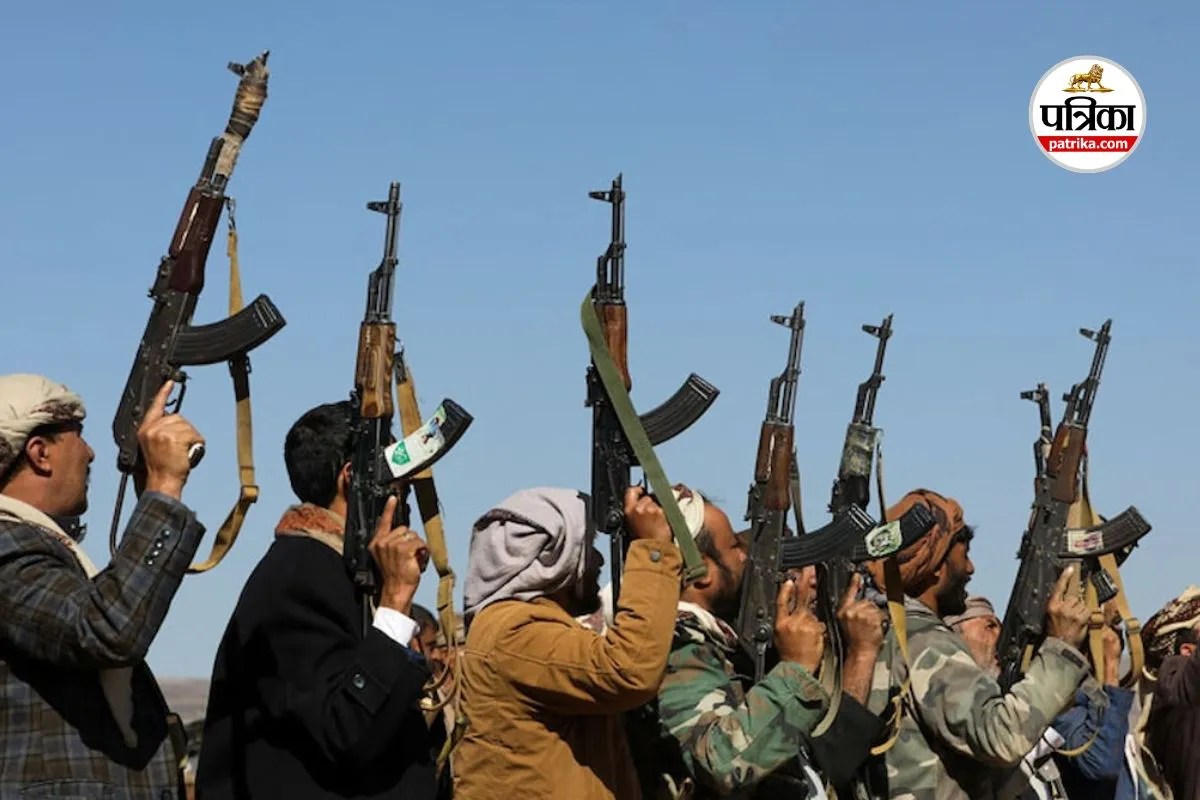
You have to understand the playbook here. The Houthi movement isn't fighting a conventional naval war. They're waging economic guerrilla warfare. Backed by Iranian military hardware and tactical training, they use mobile launchers, fast attack boats, and loitering munitions hidden in rugged terrain.
They don't need to sink every ship to win. They just need to create enough fear that shipping executives decide the risk isn't worth the profit.
- Commercial vessels get targeted regardless of flag or destination.
- Humanitarian aid shipments get tangled in the same maritime gridlock.
- Environmental disasters loom large, as seen when damaged tankers leak oil into pristine fisheries.
International airstrikes and naval patrols have tried to degrade these launch sites near Mocha and the Tihamah coast. Yet, the capability persists. Caves, rugged mountains, and urban cover make it remarkably hard to wipe out asymmetric threats completely from the air.
The Human Cost Behind the Headlines
While economists worry about freight rates and supply chain bottlenecks, the people living in Mocha and across Yemen face a brutal reality. They are caught between warring domestic factions, regional power struggles, and the economic fallout of a militarized coastline. Fishing communities can't go out to sea without risking attack or detention. Humanitarian supplies struggle to reach populations facing acute food insecurity.
Geopolitics often feels abstract when viewed through news tickers about strait blockades and missile intercepts. But on the ground in Yemen, every escalation near the coast means another layer of suffering for families who have endured years of conflict.
The situation near Mocha proves that modern supply chains are terrifyingly fragile. A few miles of coastline in a war-torn country can dictate whether factories in Asia get raw materials and whether shelves in Western supermarkets stay stocked. Until a stable political settlement or foolproof security arrangement secures the southern Red Sea, global trade will continue to dance on the edge of a knife.