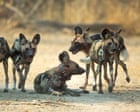
Imagine walking 4,126 kilometers across an entire country just to find a place to settle down. That is exactly what three African wild dog brothers did, setting a documented record for the longest single dispersal of any mammal on the continent. Tracked by researchers from Montana State University and the Zambian Carnivore Programme, this trio turned ordinary wildlife monitoring into an epic survival story.
When young African wild dogs come of age, leaving their natal pack is mandatory. It is nature's way of preventing inbreeding and spreading genetic diversity. For these three brothers from the Mayukuyuku pride, the exit kicked off an eight-month odyssey across Zambia. They didn't take a straight path. They zigzagged, climbed the Great Rift Valley escarpment, skirted bustling cities, navigated the Zambian Copperbelt, and even backtracked hundreds of kilometers before finally hitting the Luangwa Valley.
The High Cost of Finding Home
Tracking data revealed a stark reality about modern wildlife movement. The landscape these dogs traversed is heavily stamped by human infrastructure. They crossed major roads, skirted reservoirs, and passed dangerously close to human settlements.
Dispersal is a high-stakes gamble. While the three brothers beat the odds and managed to settle down in eastern Zambia—presumably finding mates—other members of their generation weren't as lucky. A group of sisters from the same general area set off on their own separate trek, but tragedy struck. Two of the sisters died, likely victims of wire snares set up for bushmeat.
Scientists use GPS collars to monitor these movements, recording satellite positions every few hours. The data paints a clear picture. African wild dogs are among the most endangered large carnivores on the planet. Small, isolated populations face local extinction unless animals can move safely between reserves. This monumental journey proves that wildlife corridors still function, but it also highlights how many lethal barriers stand in the way.
What This Means for Conservation
We often think of animal migrations as seasonal events, like wildebeests crossing the Mara River. Dispersal is entirely different. It is a one-way trip into the unknown. Young males form bachelor groups and wander blindly through unprotected lands, looking for rival packs or unattached females.
The fact that these three brothers survived a 2,500-mile gauntlet shows that connectivity across Zambia's conservation areas is working, yet fragile. Anti-poaching patrols and community conservation groups play a direct role in whether a dispersing carnivore survives a brush with human-dominated terrain. Without protected corridors, epic journeys like this one would end prematurely in wire snares or highway collisions.
Keep an eye on regional conservation initiatives if you want to support wild dog survival. Supporting organizations that remove snares and secure transfrontier wildlife areas gives the next generation of wandering brothers a fighting chance.