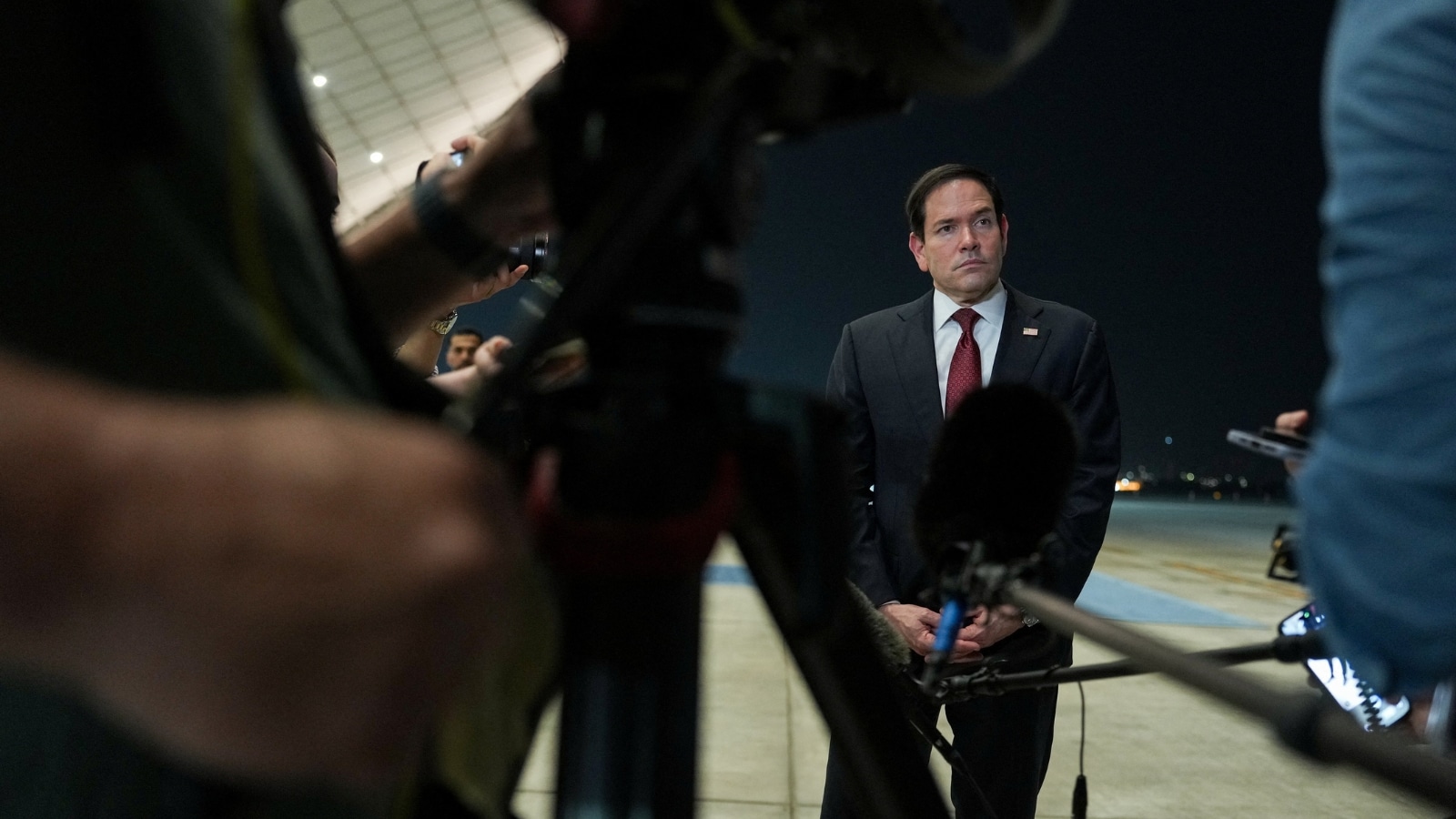
US Secretary of State Marco Rubio landed in Abu Dhabi with a mandate that looks increasingly impossible. He must convince America's most critical Gulf allies that a sweeping, tentative peace memorandum signed with Iran is a diplomatic victory rather than an outright betrayal. The baseline reality is stark. Gulf capitals feel blindsided by an agreement hammered out in Switzerland by Vice President JD Vance, one that offers Tehran a massive financial lifeline without dismantling its regional threat capabilities. Rubio is now trapped between defending his administration’s transaction and preserving decades of security architecture.
The deal aims to halt the four-month conflict that erupted in early 2026. Yet, the price of that peace is causing immediate, quiet panic from Kuwait to Manama.
The Secret Swiss Deal and the Vance Intercept
The primary driver of the current crisis is the sheer speed and insularity of the negotiations. While Rubio was ostensibly handling foreign affairs, the actual mechanics of the preliminary accord were driven by Vice President JD Vance during intense, closed-door sessions in Switzerland. This structural bypass left the State Department scrambling to catch up with a rapidly shifting reality. Gulf leaders, who expected a traditional consultative process, instead woke up to a signed memorandum of understanding that fundamentally alters the balance of power.
Money is the central point of friction. Under the terms of the temporary agreement, a proposed $300 billion reconstruction fund would be established for Iran, paired with immediate sanctions relief and a 60-day window to formalize a permanent treaty. The White House pitches this as a necessary incentive to secure a total halt to hostilities and the reopening of vital shipping lanes. Gulf states view it as an direct cash infusion for a state that spent the last four months raining missiles down on their infrastructure.
The numbers do not lie. Gulf intelligence agencies estimate that even a fraction of that $300 billion would allow Iran to completely rebuild its depleted drone and missile stockpiles within twenty-four months. This financial reality undercuts the administration’s claim that the deal stabilizes the region. Rubio is left trying to sell a transaction where the immediate benefits flow to Tehran, while the long-term security risks are borne entirely by America’s local partners.
The Illusion of Free Passage through Hormuz
Nowhere is the disconnect more dangerous than the Strait of Hormuz. Rubio used his arrival press conference to declare that international law governs the waterway and that no tolls or fees would ever be permitted. His words were sharp. But they directly contradict the active diplomatic positioning taking place elsewhere in the region.
Just as Rubio was landing in the United Arab Emirates, Iranian Parliament Speaker Mohammad Bagher Ghalibaf and Foreign Minister Abbas Araghchi were in Oman, working on an entirely different interpretation of the maritime future. Tehran has made it clear that the pre-war status quo is dead. The language in the memorandum signed last week provides a 60-day toll-free window, but deliberately leaves the subsequent "maritime services and administration" open to negotiation between Iran, Oman, and other littoral states.
This is a glaring diplomatic vulnerability. By failing to explicitly ban transit fees in the foundational text, the American negotiating team handed Iran a powerful economic lever. A maritime toll system would turn the world’s most vital oil transit point into a sovereign revenue stream for the Islamic Republic. Gulf commercial hubs, particularly Abu Dhabi and Dubai, cannot survive an environment where their primary trade artery is subject to arbitrary fees or administrative delays controlled by their primary adversary.
The economic fallout is already measurable. The recent conflict drove thousands of Western expatriates and financial professionals to flee the Emirates, shaking the foundations of its non-oil economy. If the final treaty allows Iran to establish a permanent regulatory stranglehold on the strait, that capital will not return. Rubio’s assurances that international law will prevail ring hollow to logistics executives who watched Iranian forces successfully seize commercial tankers with total impunity over the last year.
The Strategic Blind Spots and Proxy Loopholes
A fundamental flaw of the framework is what it leaves out. The agreement contains no provisions addressing Iran’s ballistic missile development, its domestic enrichment infrastructure, or its extensive network of regional proxy forces. The administration argues these complex issues will be settled at an appropriate time during the subsequent 60-day negotiation track. This explanation satisfies no one in the region.
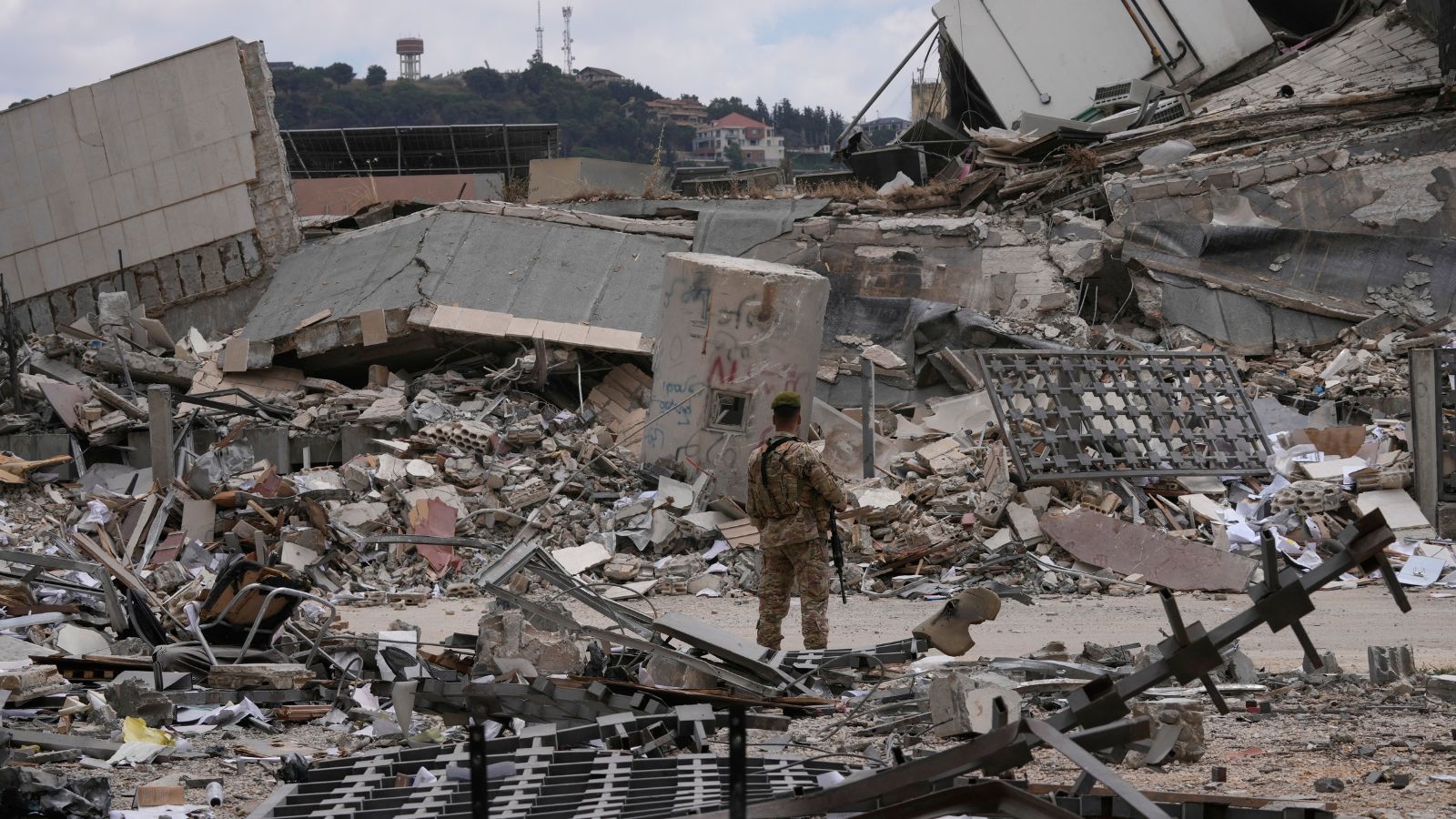
The proxy omission is particularly galling for Kuwait and the UAE. During the height of the fighting in April and May, secretive new drone cells operating out of southern Iraq launched at least seven distinct strikes against critical infrastructure targets across the Gulf. These attacks resulted in civilian casualties and massive commercial disruptions. Forcing an agreement that treats these proxy operations as separate, secondary issues ignores the reality of how modern grey-zone warfare is conducted.
Rubio insisted to reporters that a "complete end of hostilities" naturally obligates Tehran to defund groups like Hamas, Hezbollah, and the Iraqi militias. But the text of the agreement does not reflect this optimism. Iranian officials have already publicly stated that their ideological commitment to regional resistance groups is non-negotiable. By decoupling proxy behavior from immediate sanctions relief, Washington has surrendered its primary point of leverage before the real negotiations have even begun.
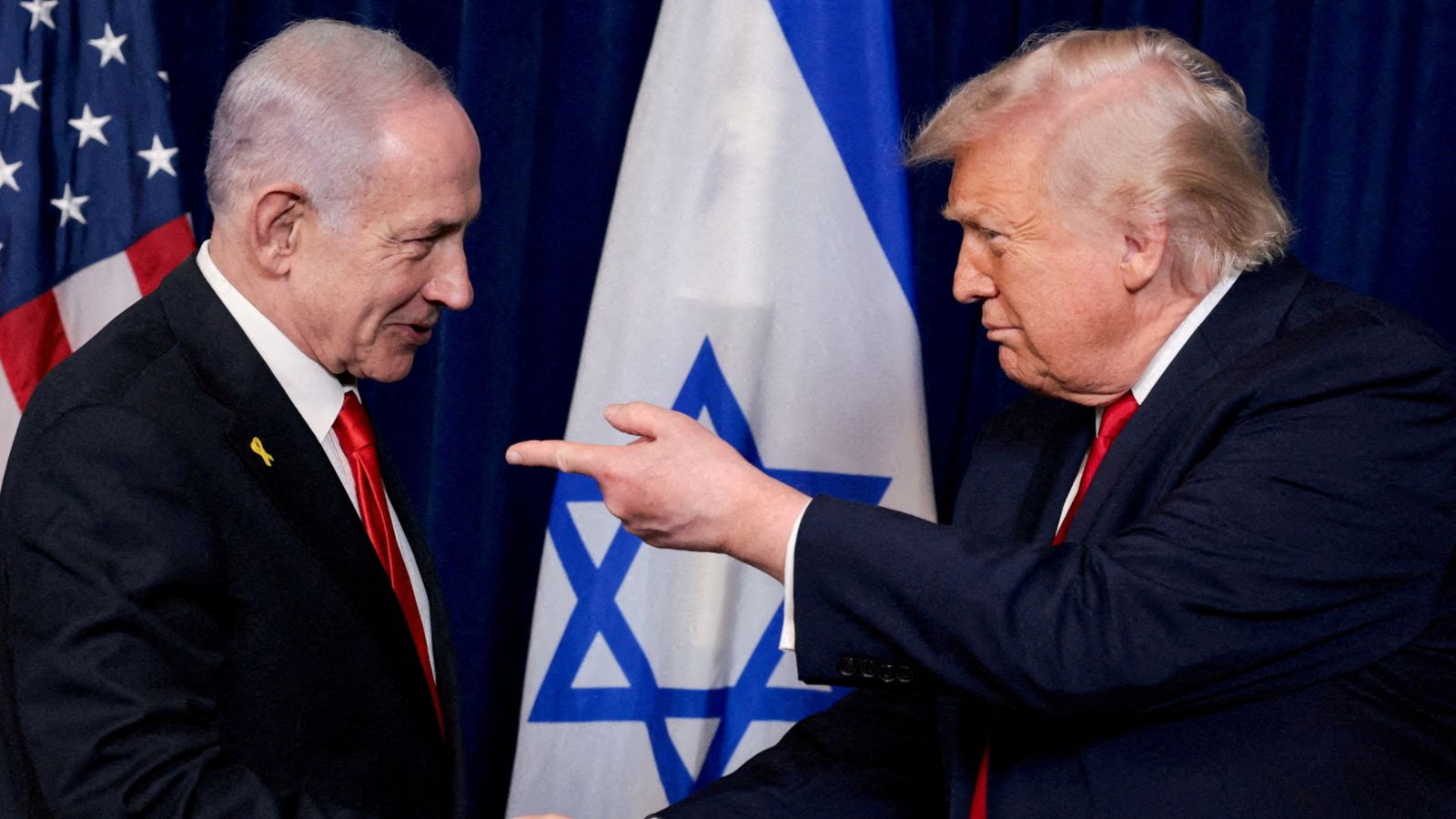
The nuclear timeline is equally compromised. While President Trump asserted that Iran had agreed to the immediate return of International Atomic Energy Agency inspectors, the diplomatic reality on the ground dissolved within hours. UN nuclear chief Rafael Grossi stated that inspections must happen immediately to verify the state of Iran's 60% enriched uranium stockpiles. Iranian diplomats instantly pushed back, stating that no inspectors would be permitted near sensitive facilities until after a final, permanent treaty is signed and ratified.
This contradiction reveals a deeper structural failure. If the United States cannot enforce a basic baseline of transparency regarding nuclear verification during an active ceasefire, it has zero chance of compelling compliance once the $300 billion fund begins to unlock.
Domestic Ambitions and the Fractured Front
The friction is not merely geopolitical. It is deeply personal, driven by the intense internal rivalries of the executive branch. Both Marco Rubio and JD Vance are widely recognized as the frontrunners to succeed Trump, turning every major foreign policy maneuver into an implicit primary campaign. Vance’s team wants a swift, high-profile peace deal to solidify his credentials as an effective transactional dealmaker. Rubio, historically a fierce foreign policy hawk, is now forced into the humiliating position of cleaning up the diplomatic wreckage of his rival's ambition.
This internal division is obvious to foreign intelligence services. Gulf diplomats are fully aware that the American foreign policy apparatus is pulling in two different directions. They see a Vice President eager to claim credit for ending a war, and a Secretary of State tasked with defending a text he likely had minimal hand in writing. This division dilutes American authority at the exact moment absolute clarity is required.
The trip through the UAE, Kuwait, and Bahrain will not change the structural math of this agreement. Rubio can offer private rhetorical guarantees, but he cannot rewrite a memorandum that has already been signed. The Gulf states are adjusting to a new reality where Washington’s primary objective is domestic political expedience rather than long-term regional stability. As Rubio boards his transport aircraft for the next leg of his tour, the true cost of this swift peace is becoming undeniably clear. The administration may succeed in ending a war, but it is doing so by dismantling the foundations of its own alliance network.