The transition of Anutin Charnvirakul to a central position of economic oversight in Thailand is not merely a political reshuffle; it is a structural pivot toward defensive fiscal management as Middle Eastern instability threatens the core inputs of the Thai economy. The Thai administration faces a "Three-Front Compression" where energy import costs, disrupted supply chains, and a cooling tourism appetite intersect. Success in this environment depends on the government's ability to decouple domestic growth from external price shocks while maintaining the thin margins of a manufacturing sector reliant on global trade liquidity.
The Triad of Macroeconomic Vulnerabilities
The Thai economy operates as a high-sensitivity processing hub. It imports raw materials and energy, adds value through labor and infrastructure, and exports finished goods. Middle Eastern conflict disrupts this flow at three specific points of failure.
The Energy Input Function
Thailand is a net energy importer. When regional tensions in the Middle East escalate, the immediate effect is a spike in Brent Crude prices. For Thailand, this is an "uncontrollable cost" that flows directly into the Consumer Price Index (CPI).
- Transportation Overhead: Increased fuel costs raise the price of logistics for the agricultural sector, which remains the backbone of rural employment.
- Manufacturing Margins: Small and Medium Enterprises (SMEs) lack the hedging tools of multinational corporations. A 10% sustained increase in energy costs can wipe out the annual net profit of a domestic textile or food processing plant.
- Subsidy Exhaustion: The State Oil Fund often acts as a shock absorber. However, prolonged high prices deplete this fund, forcing the government to either increase public debt or allow inflation to pass through to the consumer.
The Tourism Risk Vector
Tourism contributes approximately 12% to 15% of Thailand's GDP. While the Middle East is a growing source of high-spending medical and luxury tourists, the broader risk is "Path-Dependency Fear."
- Aviation Fuel Surcharges: Rising oil prices make long-haul flights from Europe and North America—Thailand’s traditional high-value markets—prohibitively expensive.
- Geopolitical Risk Perception: Global travelers often view emerging markets as a single risk category. Conflict in one region can trigger a general retreat from international travel, leading to "Safety Flight" where capital and consumers stay within their home borders.
- Currency Volatility: If the Thai Baht weakens against the USD due to regional instability, the cost of importing luxury goods and specialized equipment for the hospitality sector rises, squeezing the margins of the 5-star hotel industry.
Supply Chain Dislocation
The Red Sea serves as a critical artery for Thai exports to Europe. Any disruption in this maritime corridor forces shipping companies to reroute around the Cape of Good Hope. This creates a "Duration Penalty":
- Lead Time Extension: Shipping times increase by 10 to 14 days, tying up capital in "inventory at sea."
- Container Scarcity: As ships stay at sea longer, fewer containers return to Thai ports like Laem Chabang, creating a bottleneck for exporters.
- Insurance Premiums: War risk surcharges on shipping lanes can increase freight costs by 200% to 300% overnight.
Anutin’s Strategy of Pragmatic Insulation
Anutin Charnvirakul’s leadership style is characterized by a "Systems-First" approach, likely learned from his background in the construction and engineering sectors. His mandate is to stabilize the internal economy to withstand these external shocks.
The Infrastructure Multiplier
The primary tool for offsetting export losses is domestic infrastructure spending. By accelerating the "Land Bridge" project and Eastern Economic Corridor (EEC) developments, the government attempts to create an internal "Economic Heat" that compensates for the cooling effects of global trade. The logic follows a standard Keynesian multiplier: government spending on hard assets creates immediate demand for labor and materials, circulating capital within the domestic ecosystem before it can leak out through imports.
Decentralized Economic Resilience
A significant portion of the current strategy involves strengthening provincial economies. By empowering local administrations and focusing on "Power-to-the-Provinces," the government seeks to reduce the reliance on Bangkok as the sole engine of growth.
- Agricultural Diversification: Moving away from monoculture toward high-value crops reduces the impact of global commodity price fluctuations.
- Secondary City Tourism: Promoting destinations outside of Phuket and Bangkok spreads the tourism revenue more evenly, making the national economy less vulnerable to a localized crisis in a single tourist hub.
The Debt Ceiling Constraint
The most significant limitation to this strategy is Thailand's household debt, which hovers near 90% of GDP. This creates a "Consumption Trap." If the government attempts to stimulate the economy through credit, it risks a systemic banking crisis. If it stays passive, consumption stalls.
The Interest Rate Dilemma
The Bank of Thailand (BoT) faces a classic "Impossible Trinity." It must choose between:
- Defending the Baht: Raising interest rates to prevent capital flight, which crushes indebted households.
- Supporting Growth: Keeping rates low to encourage investment, which risks devaluing the currency and making energy imports even more expensive.
- Inflation Targeting: Using monetary policy to keep prices stable, even if it slows the overall economy.
Anutin's role is to coordinate the fiscal side of this equation so the BoT isn't forced to act alone. This requires a surgical application of subsidies—not broad-based handouts, but targeted relief for the specific sectors most impacted by Mideast-driven energy spikes.
The Digital Wallet and Liquidity Injection
The controversial Digital Wallet scheme is the administration's primary weapon against the "Liquidity Crunch." From a consulting perspective, this is a "Velocity of Money" play. The goal is to force a high number of transactions in a short period to jumpstart a stalled local economy.
- Operational Risk: The success of this program depends entirely on the "Leakage Rate." If citizens use the funds to buy imported goods, the stimulus leaves the country. To succeed, the program must strictly enforce the local-spending requirement.
- Fiscal Credibility: The government must fund this without triggering a credit rating downgrade. A downgrade would increase the cost of sovereign debt, nullifying the benefits of the stimulus through higher interest payments.
Strategic Forecasting: The 18-Month Outlook
The Thai economy is currently in a "Holding Pattern." If the Middle Eastern conflict remains contained, Thailand can expect a slow recovery driven by a rebound in Chinese tourism and electronic exports. However, a wider regional war would force a pivot to a "War Economy" footing.
The second-order effect of the current geopolitical climate is the acceleration of the "Plus One" strategy. Multinational corporations are looking to diversify away from China and the Middle East. Thailand’s goal is to position itself as the "Neutral Harbor."
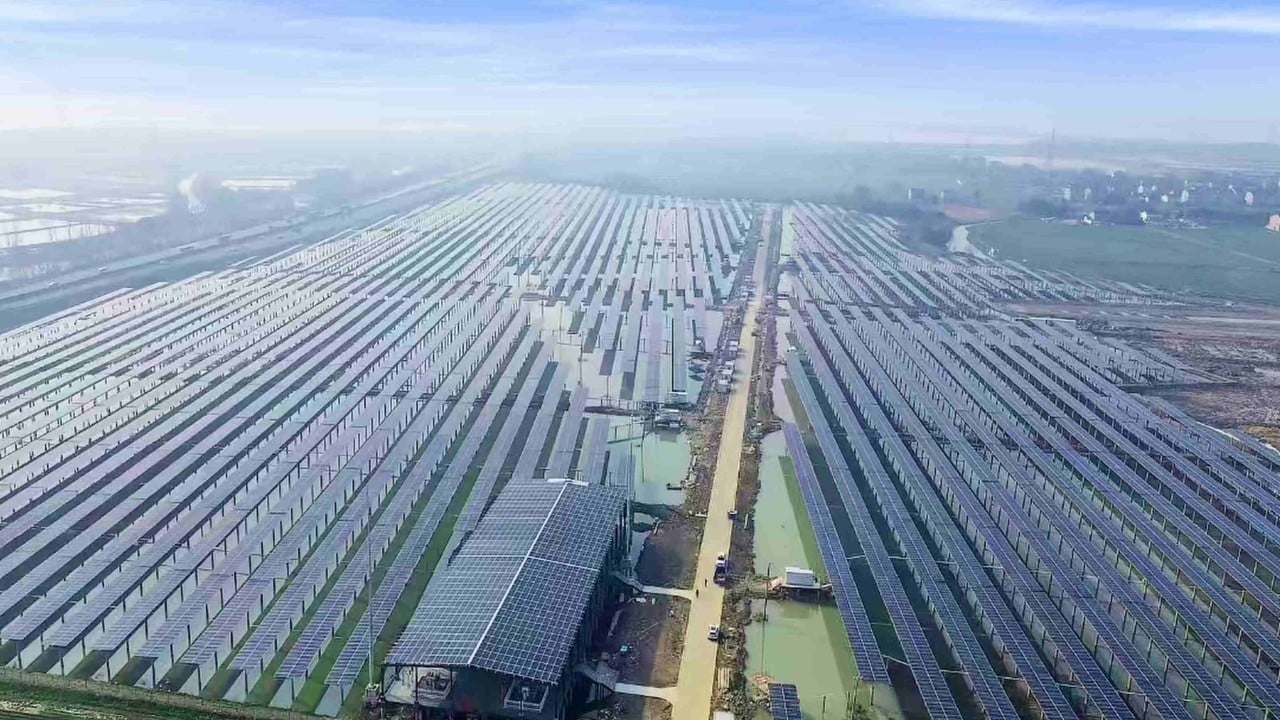
- Energy Transition: Rapid investment in solar and biomass to reduce the "Oil Import Dependency Ratio."
- Trade Agreement Expansion: Moving beyond traditional partners to secure food-for-energy swaps with Gulf nations, ensuring supply chain continuity.
- Tech Integration: Utilizing AI and automation in manufacturing to offset the aging population and keep labor costs competitive despite rising energy inputs.
The immediate tactical requirement for Thai businesses is "Scenario Planning." Organizations must model their cash flow against a $120/barrel oil price and a 15% drop in European tourist arrivals. Those who maintain a high "Liquidity Ratio" and have diversified their supply chains away from the Red Sea corridor will be the only entities capable of capturing market share when the volatility eventually subsides. The government’s role under Anutin is to provide the floor; the private sector must build the ceiling.
Shift capital allocation toward domestic-centric sectors that utilize local inputs, particularly in the green energy and medical technology verticals, to bypass the volatility of the global energy-transport complex.