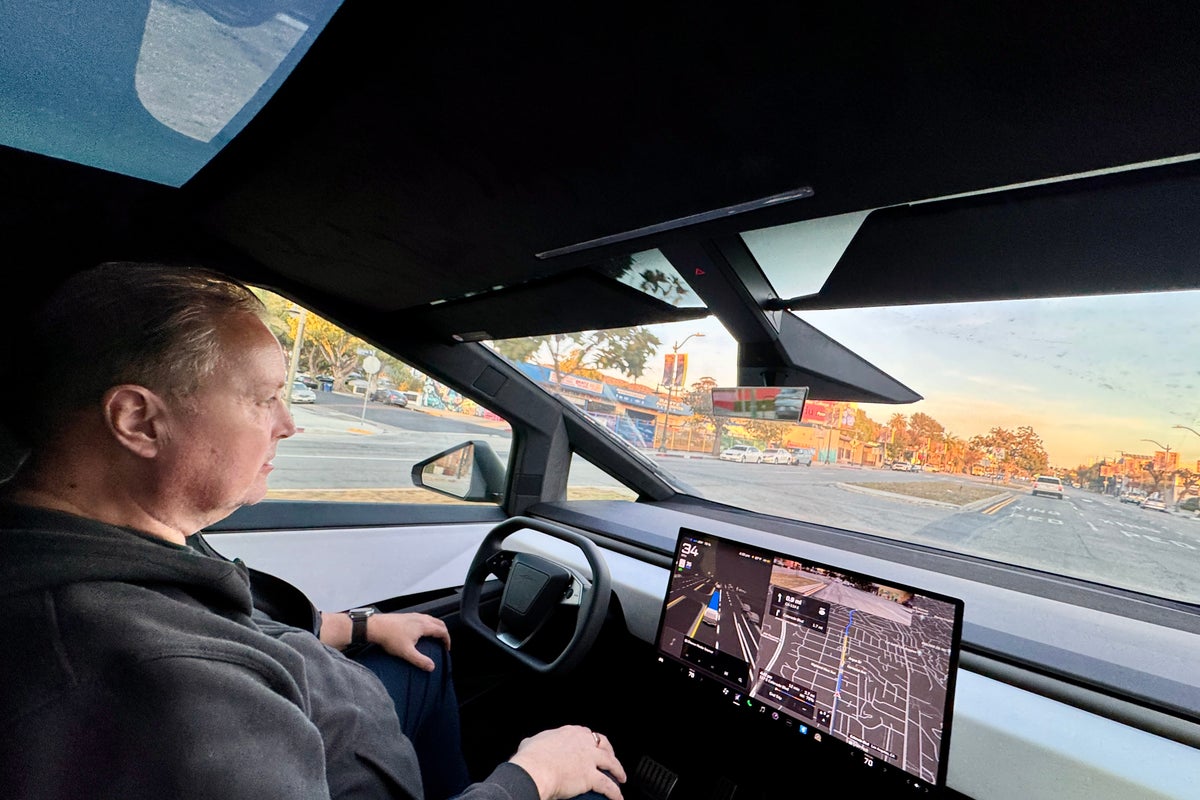
Elon Musk loves a massive number, especially when it's written on a regulatory filing. The latest piece of paperwork theater comes from Tesla Robotaxi, LLC, which just applied for an Autonomous Vehicle Network Company permit with the Nevada Transportation Authority under Docket 26-05015.
The headline-grabbing detail? Tesla wants approval to operate up to 5,000 autonomous vehicles in Clark County within its first 12 months.
If you just read the press releases, it sounds like an overnight revolution is coming to the Las Vegas Strip. But let's look at the actual reality. Tesla currently operates exactly zero commercial robotaxis in Nevada. Nationally, its unsupervised fleet sits at a handful of cars running evening tests in Austin and safety-driver operations in Dallas, Houston, and the Bay Area. Asking for 5,000 cars right out of the gate isn't a rollout plan. It's an aggressive placeholder for a dream that is years away from scaling.
The Las Vegas Paper Trail
Tesla didn't just show up in Nevada yesterday. The company has been quietly laying down the regulatory floorboards for months. They cleared the Nevada DMV testing registry back in September 2025, which let them gather data with supervised cars. By November 2025, they self-certified their autonomous technology with the state. Then, in May 2026, they filed paperwork for a vehicle maintenance facility in Clark County.
This new June 2026 filing with the Nevada Transportation Authority is the final commercial door opening. It's the permit that actually lets them charge money for rides.
The application specifically targets the crown jewels of Vegas transit: Harry Reid International Airport and Henderson Executive Airport. Airport runs are the holy grail for ride-hailing. The routes are predictable, the volume is constant, and tourists don't want to deal with rental car counters. If you can control the airport-to-Strip corridor, you win the city.
Why 5000 Cars is a Fantasy Number for Year One
Let's put that 5,000 figure into perspective. Waymo, the undisputed leader in active driverless rides, operates a fraction of that number across Phoenix, San Francisco, and Los Angeles combined. Zoox launched its purpose-built, steering-wheel-free vehicles on the Las Vegas Strip in September 2025, and their footprint remains carefully constrained to tight geofenced zones around spots like Resorts World and AREA15.
When Zoox got its Nevada commercial permit, the state capped its initial vehicle count at just 65 cars.
Tesla expects regulators to bless a fleet 250 times larger than what they currently have testing anywhere in the world. It won't happen. Musk himself admitted during the Q1 2026 earnings call that safety validation is the absolute bottleneck for fleet growth. He explicitly told investors that robotaxi revenue wouldn't be material to the company's 2026 financial results.
The math doesn't add up. Giga Texas only started early production on the dedicated Cybercab in April 2026. They're built around a pure camera-guided system with no radar or LiDAR. While that keeps manufacturing costs low, it forces the software to do all the heavy lifting. Teslas own engineers have admitted the Full Self-Driving stack needs significant refinement before it can handle chaotic urban environments completely unsupervised day in and day out.
The Real Hurdles Facing Tesla in Sin City
Las Vegas looks easy on a map because it's a grid, but it's an operational nightmare for a camera-only autonomous system.
- The Strip Chaos: Drunk pedestrians stepping off curbs, erratic rideshare drivers cutting across three lanes, and massive construction projects mean the environment changes hourly.
- The Private Space Trap: Locals point out that Las Vegas and Henderson are packed with gated HOA communities. Unsupervised cars can't easily negotiate with security guards or broken keypad gates to grab passengers.
- The Local Pushback: The public has until July 5, 2026, to file official protests against Tesla's application. You can bet taxi syndicates, incumbent rideshare groups, and hospitality unions will use that window to throw sand in the gears.
Tesla has a history of asking regulators for the absolute ceiling so they don't have to reapply when they grow. It's a classic tech move: over-request on paper, then deal with the grinding engineering reality at a much slower pace.
If you're waiting for a driverless Model Y or Cybercab to pick you up from the terminal at Harry Reid International this summer, don't hold your breath. The paperwork is real, but the actual 5,000-car fleet is a long way off.
Your best move right now is to watch the Nevada Transportation Authority docket after the July 5 protest deadline passes. That's when we'll see the actual conditions, vehicle caps, and safety milestones regulators force Tesla to meet before a single paying passenger hops in the back seat.