Diplomatic communication between Washington and Tehran rarely follows a straight line. Messages travel through protective intermediaries, whispered in Swiss embassy corridors or relayed via regional capitals attempting to stave off broader conflagration. When Iranian officials state publicly that no military solution exists for their ongoing confrontation with the United States, observers often dismiss the rhetoric as standard diplomatic posturing. Yet, beneath the diplomatic posturing lies a persistent strategic reality that neither side can easily dismiss. Decades of economic isolation, covert operations, and proxy conflicts have established a grim equilibrium.
Neither government wants total war. Neither government currently possesses a clear pathway toward a permanent political settlement.
The core premise centers on the limits of kinetic force. Decades of sanctions intended to collapse the Iranian economy have instead catalyzed a fortress economy, forcing Tehran to pivot toward Eastern trade partners while quietly advancing its nuclear capabilities. On the American side, administrations cycle through maximum pressure campaigns, realizing every four to eight years that economic strangulation stops short of regime collapse or strategic capitulation.
The Calculus of Asymmetry
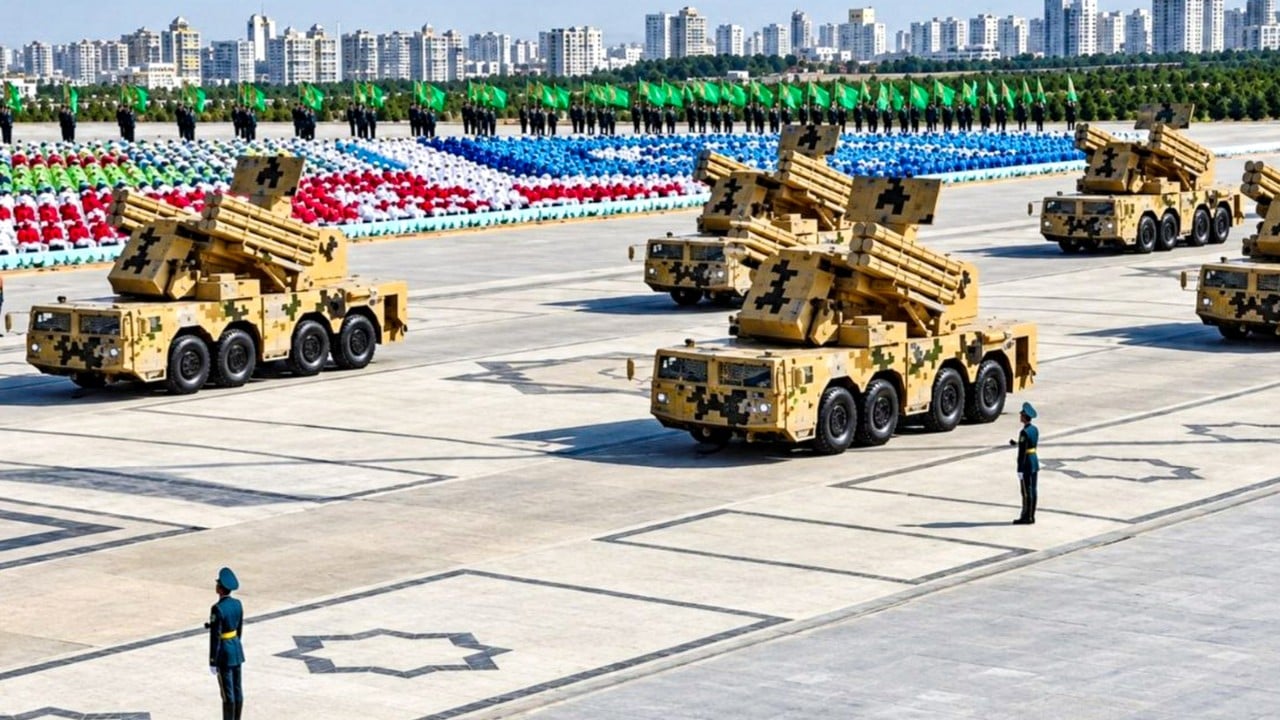
Military planners in Washington understand the friction points intimately. An open conflict would not resemble the rapid armor engagements of past decades. Instead, any direct military confrontation risks destabilizing global energy markets through the Strait of Hormuz, triggering asymmetric responses across the Middle East from allied militias, and drawing in secondary nuclear powers.
Tehran relies heavily on this deterrent matrix. By projecting instability outward, Iranian leadership aims to raise the cost of intervention beyond what any American electorate is willing to bear. Analysts tracking regional defense posture note that this strategy relies on a calculated escalation ladder. Every move is measured to remain just below the threshold that would force Washington into a massive, irreversible retaliation.
At the same time, domestic pressures within Iran complicate any sincere diplomatic overture. Economic grievances frequently boil over into protests, driven by inflation, currency devaluation, and structural corruption. When leadership faces internal instability, external defiance serves as a reliable mechanism to rally nationalist sentiment. Conceding ground to Washington under duress remains politically toxic for the hardline factions currently holding the levers of state power.
The Diplomatic Deadlock
Sanctions relief remains the primary friction point. Tehran demands verifiable economic normalization before scaling back its nuclear enrichment activities. Washington insists on verifiable structural rollbacks before any permanent sanctions waiver takes effect. This fundamental sequencing problem turns every negotiation into a high-stakes game of chicken where both parties fear looking weak to domestic constituencies.
Intermediate channels continue to function precisely because formal bilateral talks remain politically radioactive. Oman, Qatar, and Iraq frequently host quiet delegations carrying messages back and forth. These talks rarely produce grand bargains. Instead, they serve as circuit breakers, designed to prevent miscalculations in maritime checkpoints or regional airspace from spiraling into uncontrollable escalation.
The absence of a military solution does not translate to peace. It describes a protracted state of friction. Intelligence briefings in Western capitals acknowledge that containment is an expensive, high-maintenance posture. Without a functioning diplomatic architecture capable of addressing regional security concerns, cyber warfare, economic sabotage, and proxy friction will remain the default instruments of statecraft.
History suggests that protracted cold conflicts rarely end with a sudden signature on a historic accord. They evolve, erode, or collapse under the weight of unforeseen domestic shocks. Until structural incentives change in both capitals, the message from Tehran remains less an olive branch than a cold assessment of the arithmetic of modern war.