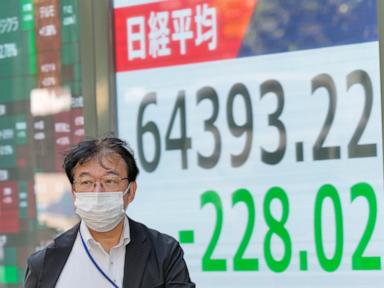
Global stocks dropped. Oil popped. And right on cue, the financial press rolled out the exact same tired script it has used for forty years: tankers took damage, supply is at risk, inflation is back, hide your equity exposure.
It sounds dramatic. It sounds decisive. It is also lazy thinking dressed up as urgency.
When headlines warn that world shares retreat as report of damage to oil tankers pushes oil prices higher, most market commentary treats the initial price reaction as settled truth. Oil goes up. Stocks go down. Case closed. Except markets do not trade on headlines alone; they trade on duration, bottlenecks, margin pass-through, and balance-sheet resilience. Confusing a headline shock with a permanent supply destruction event is one of the fastest ways to hand good assets to calmer buyers at a discount.
I have watched trading desks and corporate treasury teams blow serious money overreacting to maritime incidents. I have seen CFOs freeze capital spending after a single week of crude spikes, only to watch energy prices roll over a month later while competitors locked in cheap equipment and market share. I have seen retail and institutional portfolios alike dump quality equities on day one of an oil headline, locking in losses before anyone even checked whether a single barrel of production was actually lost.
That knee-jerk reflex is the real story here. Not the first-hour red screen on global stock indices.
The Lazy Consensus Around Tanker Headlines
The standard playbook goes like this: a vessel gets hit or suffers reported damage near a sensitive shipping lane, crude futures jump, transport and input costs look heavier, and equity indices slide as traders price in slower growth and sticky inflation.
That chain of events is not imaginary. Energy costs do flow through the real economy. Higher fuel bills squeeze airlines, trucking, chemicals, and consumers with tight budgets. If energy prices stay elevated long enough, central banks worry harder about second-round inflation, and growth forecasts get trimmed.
Where the lazy consensus falls apart is assuming that every tanker incident automatically equals a prolonged, structural oil shock.
First, physical damage to a tanker is not the same thing as shutting in millions of barrels of oil at the wellhead. A single vessel damaged, delayed, or rerouted creates friction, higher freight rates, and war-risk insurance headaches. It does not automatically vaporize global crude reserves overnight.
Second, modern energy markets are far more elastic and interconnected than mid-twentieth-century commentators tend to admit. Shale output in North America, strategic reserve dynamics, refinery routing adjustments, and shifting demand patterns all interact with seaborne trade. When prices spike sharply on shipping fear, higher prices themselves begin curing the shortage—incentivizing alternative barrels, trimming marginal demand, and drawing physical supply toward higher-priced hubs.
Third, equity markets are a collection of wildly different businesses, not one monolithic "stock" that bleeds whenever Brent or WTI ticks up. Treating an energy-importing airline, a diversified industrial manufacturer, a software firm, and an integrated oil producer as if they all suffer identically from an oil headline is analytical malpractice.
What People Actually Ask When Oil Jumps on Tanker News
When a report hits the wire that tanker damage has pushed oil prices higher, search bars fill up with predictable questions. Most of them start from a shaky premise.
"Should I sell my stocks immediately when oil spikes on tanker damage?"
Usually, no—if your reflex is pure panic selling. Selling broad equities on an initial geopolitical or maritime shock assumes two things: that you know how long the price spike will last, and that you can time your re-entry better than the crowd. Historically, knee-jerk exits on supply-scare headlines often happen right around sentiment troughs.
The smarter question is not "Should I sell stocks?" It is "Which specific cash flows in my portfolio actually break if oil stays higher for six months versus six weeks?" An unhedged airline or thin-margin logistics operator faces real pressure if fuel stays elevated. A low-debt cash generator with pricing power faces a very different reality.
"Does higher oil from a shipping incident always cause a recession?"
No. High energy prices act like a tax on energy consumers, which can slow growth if sustained and severe enough. They do not automatically trigger a recession on their own.
Economists who have studied energy shocks for decades—figures like James Hamilton, whose work on oil prices and macroeconomic downturns remains foundational—have long emphasized that context, magnitude, and persistence matter enormously. A sharp spike driven by temporary shipping fear that fades within weeks behaves very differently from a grinding, multi-quarter supply crunch layered onto an already fragile economy.
Watch the curve, not just the front-month headline. Watch credit spreads, freight rates, and whether oil holds its gains once the initial shock cools.
"Are oil stocks an automatic hedge every time tanker news hits?"
Not always. Energy producers often rally when crude jumps, which gives them a reputation as an instant shield. Yet shipping disruptions can hit different parts of the value chain unevenly. Higher marine insurance and longer transit routes raise costs for moving barrels, while refining margins and downstream demand can get messy if prices spike too fast.
An oil producer is not a magic forcefield. It is a business sensitive to realized prices, production reliability, regulatory pressure, and capital discipline. Buying an energy stock purely because a tanker made news—without checking valuation or balance-sheet strength—is just chasing yesterday's green candle.
Imagine a Scenario Where Tanker Damage Hits the Wire
Imagine a scenario where news breaks on a Monday morning that an oil tanker has suffered damage in a key maritime corridor. Crude oil jumps 5% before noon. European and Asian shares slip, and U.S. futures follow lower.
Now test two responses.
Trader A sees red arrows across global equities and sells index exposure before lunch, convinced that higher oil means instant stagflation. By Thursday, follow-up reports clarify that the vessel was towed safely, nearby loading terminals are operating, and alternative shipping routes are absorbing the disruption. Oil gives back most of its spike. Trader A is sitting in cash, watching stocks grind back while figuring out how to get back in.
Trader B does not ignore the risk, nor does Trader B treat a headline as gospel. Trader B checks whether physical supply is actually offline, looks at energy-sensitive cost structures across holdings, and refuses to make sweeping portfolio changes based on first-hour fear.
The difference is not mystical insight. It is discipline. Markets overprice immediate drama and underprice boring follow-through.
The Downsides of Betting Against Panic
Being contrarian sounds great when you look smart a month later. It feels awful when you are early and the tape is ugly.
There is a real downside to fading oil-shock sell-offs. Sometimes a tanker incident is not a one-off headline. Sometimes it is the opening act of broader maritime escalation, prolonged chokepoint risk, or sustained supply tightening that genuinely pushes inflation higher and forces central banks to stay tighter for longer.
If you blindly buy every dip during an energy spike without respecting risk limits, you can get run over if the disruption escalates rather than fades. Contrarianism without risk management is just stubbornness with a thesaurus.
That is why you do not bet recklessly against energy spikes. You size positions carefully, keep liquidity intact, avoid over-leveraged balance sheets, and demand confirmation from actual supply and price behavior rather than taking a kamikaze stance on day one.
What to Do Instead of Panicking on Oil Headlines
Stop treating every oil spike as an all-hands-on-deck macro catastrophe. Build a process that separates noise from actual economic damage.
- Audit true energy sensitivity, not headline exposure. Separate companies where fuel or petrochemicals are a massive, unhedged cost from businesses where energy is a minor input or where pricing power lets firms pass costs along.
- Track duration and physical impact, not just the first tick. Ask whether barrels are actually trapped or destroyed, and watch whether crude holds elevated levels once initial headlines age.
- Keep dry powder and position discipline. Avoid forced selling during liquidity panics, and never use leverage so high that a temporary volatility spike forces you out at the worst possible moment.
- Let price and fundamentals earn your conviction. Do not chase oil stocks blindly on fear headlines, and do not dump quality compounders simply because commentators love a neat "oil up, stocks down" story.
Headlines sell fear because fear keeps eyeballs glued to the screen. Your portfolio does not get paid for eyeballs; it gets paid for clear-headed decisions when everyone else is flinching.