For nearly five decades, Syria lived under an economic chokehold. The United States placed the country on its state sponsors of terrorism list way back in 1979, effectively locking Damascus out of the global financial system. That era is officially dead. Syrian President Ahmed al-Sharaa recently celebrated the formal removal of his country from that infamous blacklist, calling it a long-awaited chance to tear away a painful chapter.
If you are wondering why this matters beyond dusty geopolitical headlines, the answer comes down to hard cash and reconstruction. For everyday Syrians and international investors alike, this shift removes the legal handcuffs that made rebuilding a war-torn nation nearly impossible. Don't miss our earlier article on this related article.
Breaking Down the 1979 Designation and the Shift
The 1979 designation came down during the Hafez al-Assad era, punishing Damascus for regional alliances and militant backing. It stayed in place through decades of dynastic rule, a brutal civil war that began in 2011, and the eventual collapse of Bashar al-Assad's regime in late 2024.
When opposition forces led by Hay'at Tahrir al-Sham (HTS) ousted Assad, the political math changed overnight. Washington watched closely as the new transitional authorities made moves to distance themselves from past extremism, formally joining the Global Coalition to Defeat ISIS and moving against local terror networks. To read more about the history of this, The Washington Post provides an informative summary.
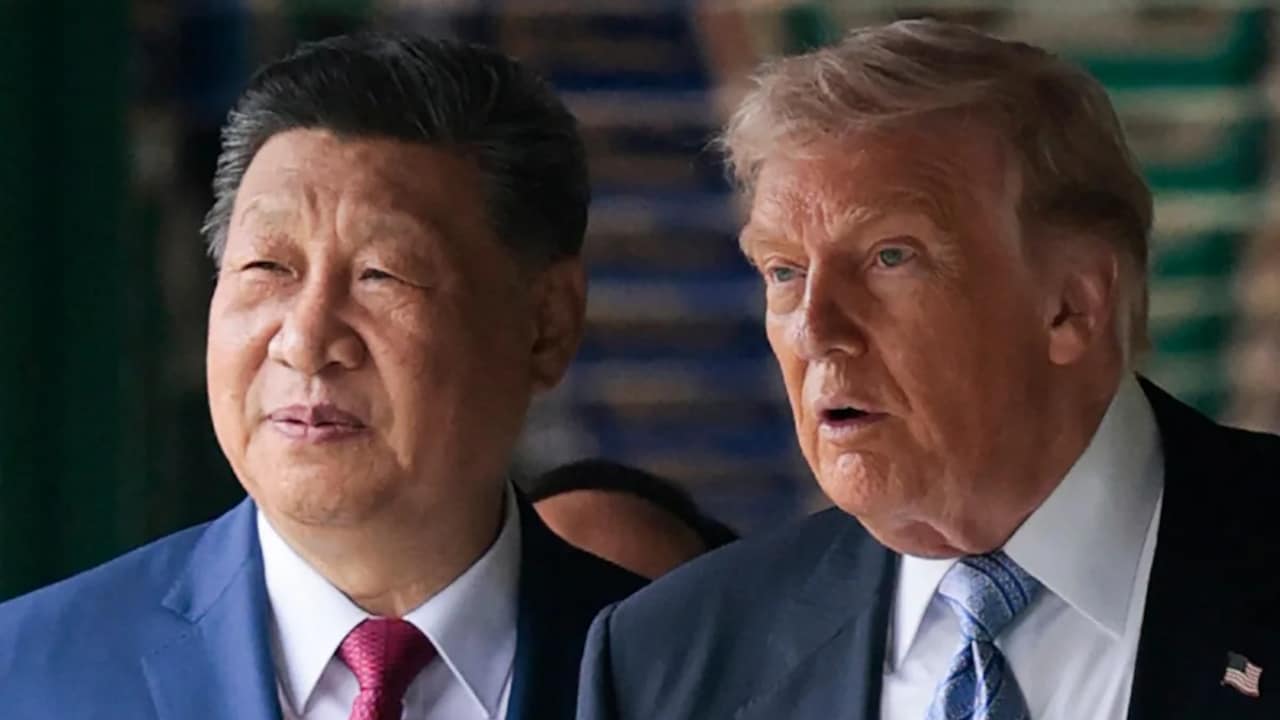
The US State Department cleared the final 45-day congressional review period, allowing President Donald Trump's administration to rescind the designation. Alongside this, Washington dropped HTS from its global terrorist lists, wiping away the remaining legal barriers that stopped Western corporations from looking at Syrian markets.
What Economic Reintegration Actually Means
Sanctions relief sounds great on paper, but the real-world mechanics are messy. For over thirteen years of civil conflict, infrastructure crumbled. Hospitals, electrical grids, and housing vanished into rubble, while international banks refused to process wire transfers to or from Damascus out of fear of secondary US penalties.
With the state sponsor of terrorism tag gone, private capital can finally re-enter. US Treasury Secretary Scott Bessent noted that the policy pivot will help foster investment and prop up stability. Syrian finance officials are already banking on modern technologies and foreign investment flowing back into the country.
Yet, nobody is pretending the country is an overnight economic paradise. Removing a legal label does not instantly rebuild cement factories or restore clean water lines. Private investors will still demand guarantees that their capital won't get caught in regional crossfires or bureaucratic corruption.
The Regional Chessboard and Lingering Hurdles
This diplomatic breakthrough does not happen in a vacuum. Turkey welcomed the decision immediately, viewing a stable, integrated Syria as vital for its own southern border security and the eventual return of refugees.
At the same time, neighboring Israel watches with deep suspicion. The rapid rehabilitation of al-Sharaa—once a militant leader heading al-Qaeda's former Syrian branch—complicates local security calculations. While Washington insists its broader posture against bad actors and regional militant proxies remains unchanged, Israel worries about how unchecked weapons and shifting borders will affect its northern front.
Cuba, Iran, and North Korea now stand as the lone remaining countries on the US terror sponsor blacklist. Syria's exit places it in a unique diplomatic purgatory-turned-partner status, proving that Washington's transactional foreign policy is willing to wipe the slate clean if the geopolitical incentives align.
Rebuilding a shattered nation requires more than a signature in Washington. Damascus faces massive institutional hurdles, domestic reconciliation, and deep-seated distrust from neighbors. Still, shaking off the dark stain of a 46-year-old designation gives Syria its first real shot at an open economy since the late seventies. Watch how fast regional powers move to lock in trade routes before western firms crowd the field.